2026-05-22
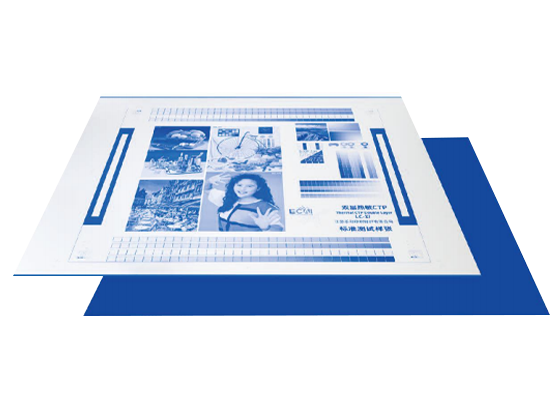
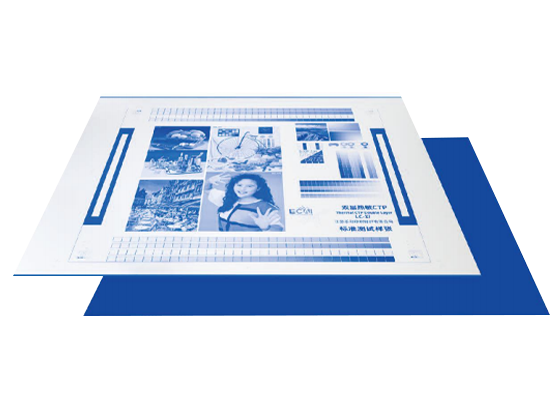
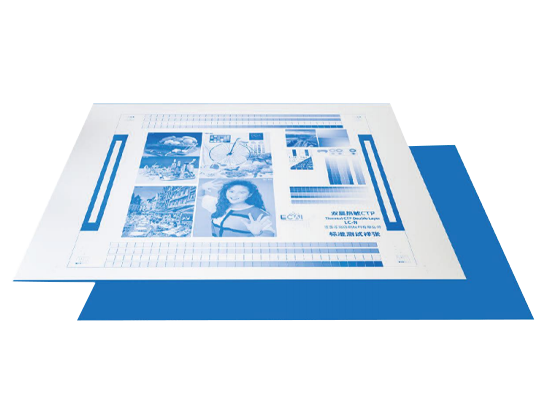
CTP double layer plates represent a significant evolutionary step in offset printing technology, directly solving the traditional trade-off between high-resolution imaging and long-run durability. By combining a specialized top imaging layer with a robust bottom substrate layer, these plates deliver exceptional tonal reproduction, reduced dot gain, and enhanced wear resistance. For commercial printers seeking to elevate output quality while maintaining cost-efficiency on extended press runs, adopting double layer technology is a highly practical and constructive solution that outperforms conventional single-layer options.
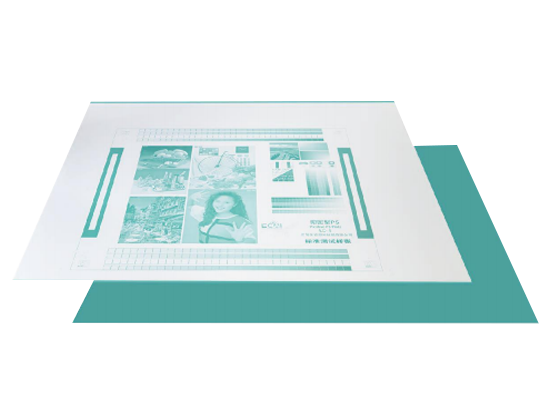
To understand the practical advantages of CTP double layer plates, one must first examine their unique physical architecture. Unlike standard plates that rely on a single coated surface to handle both imaging and press durability, double layer plates separate these critical functions into two distinct layers, each optimized for a specific purpose.
The uppermost layer is specifically engineered for hypersensitivity and precise reactivity to laser exposure. This layer is remarkably thin, allowing it to respond rapidly to the thermal or violet laser energy from the platesetter. Because it is designed purely for imaging, it can achieve extremely fine resolution capabilities, rendering micro-dots and high-frequency screen patterns with exceptional accuracy. Once exposed, this layer either hardens and adheres firmly to the layer beneath (for positive-working plates) or becomes soluble and is washed away (for negative-working plates).
Beneath the imaging layer lies the bottom layer, which is permanently bonded to the aluminum base. This layer is formulated for toughness, chemical resistance, and ink affinity. Its primary role is to act as a durable foundation that withstands the harsh mechanical friction and chemical interactions of the printing press. Because the bottom layer takes on the burden of press durability, the top imaging layer does not need to compromise its sensitivity for toughness. This separation of duties is the fundamental reason why double layer plates achieve superior performance metrics.
The bifurcated structure of CTP double layer plates translates into several tangible benefits on the pressroom floor. These advantages directly impact the quality of the final printed product and the overall efficiency of the printing operation.
Understanding the operational differences between conventional single layer and advanced double layer plates is crucial for making informed operational decisions. The table below outlines the primary distinctions based on standard pressroom performance criteria.
| Performance Metric | Single Layer Plate | Double Layer Plate |
|---|---|---|
| Imaging Sensitivity | Standard | Highly Sensitive |
| Dot Reproduction | Moderate Sharpness | Exceptional Sharpness |
| Run Length Capability | Short to Medium | Medium to Long |
| Ink-Water Balance Speed | Slower Stabilization | Rapid Stabilization |
As demonstrated, single layer plates are adequate for basic, short-run tasks where ultimate precision is not critical. However, double layer plates excel in demanding, high-quality commercial environments where both fine detail and long-run reliability are required simultaneously.
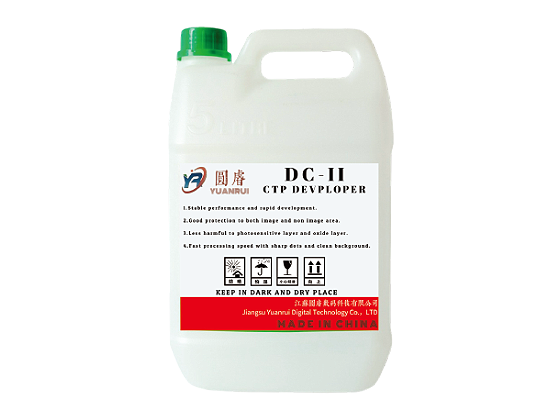
Handling CTP double layer plates requires specific attention to the development process to ensure the dual-layer architecture functions as intended. Because the top layer is designed for high sensitivity, it requires precise control over the processing chemistry.
The developer solution must be formulated to cleanly remove the unexposed portions of the top imaging layer without aggressively attacking the bottom substrate layer. If the developer is too concentrated or the processing temperature is too high, there is a risk of undercutting the top layer, which leads to dot loss and weakened structural integrity. Conversely, weak chemistry may leave residue on the plate, causing scumming on press. Maintaining optimal developer temperature and replenishment rates is critical for consistent results.
For exceptionally long print runs, double layer plates can undergo a post-exposure baking process. The heat from the baking oven causes a chemical cross-linking reaction between the top imaging layer, the bottom substrate layer, and the aluminum grain. This process dramatically hardens the plate surface, increasing its resistance to physical abrasion. It is important to note that baking must be performed immediately after development and before the plate is exposed to ambient light for extended periods, otherwise, the plate may become blind to the baking process.
While CTP double layer plates offer superior performance across the board, they provide the most profound return on investment in specific printing scenarios where their unique attributes are fully utilized.
Despite their robust performance on press, CTP double layer plates require careful handling and storage prior to exposure to preserve their latent imaging capabilities. Because the top imaging layer is highly sensitive, improper storage can lead to premature exposure or chemical degradation.
By adhering to these handling protocols, print shops can ensure that every plate loaded into the platesetter delivers maximum imaging consistency and press performance.
CONTACT US
KEEP IN TOUCH

Mobile QR code
Contact Information
No.77,Taisheng Road,Hailing District,Taizhou City,Jiangsu
+86 13961040488+86 19852223565
+86 523 86969522
Copyright © by Jiangsu Lecai Printing Materials Co., Ltd. Rights Reserved.Custom Digital Offset Printing Plates Manufacturers

 English
 Français
 Español
 Indonesia
 عربى
عربى