2026-06-01
The printing plate serves as the intermediate transfer medium that transfers ink onto base materials in all conventional and partial digital printing processes, more than 70% of finished printing defects in actual production trace back to improper plate making, storage or mounting of printing plates. All technological upgrades revolving around traditional printing focus on optimizing plate material property and processing craft, and selecting matched printing plate according to printing material, batch volume and ink attribute becomes the primary principle to stabilize printing yield. Different plate types correspond to distinct applicable printing modes, and unreasonable matching will cause waste of raw materials and prolonged production cycles. From small-batch customized label printing to large-volume commercial periodical printing, the performance of printing plate directly restricts production cost control and finished product uniformity.
The mainstream classification standard of printing plate in the industry is divided according to surface image distribution and substrate composition, which can effectively guide factory procurement and process configuration. Based on image layout, plates fall into planographic, relief, intaglio and porous types, each owns exclusive structural features and downstream application ranges. Raw material difference further subdivides each category into multiple derivative plate products, and the table below sorts out core feature contrast of four mainstream printing plate categories:
| Plate Category | Image Distribution Feature | Typical Application Field |
|---|---|---|
| Planographic Printing Plate | Blank and image areas stay on same plane | Magazine, color packaging paper |
| Relief Printing Plate | Image part protrudes above blank surface | Small sticker, kraft paper printing |
| Intaglio Printing Plate | Image part sinks below blank surface | High-end plastic film packaging |
| Porous Printing Plate | Image area forms penetrating tiny holes | Fabric printing, circuit board marking |
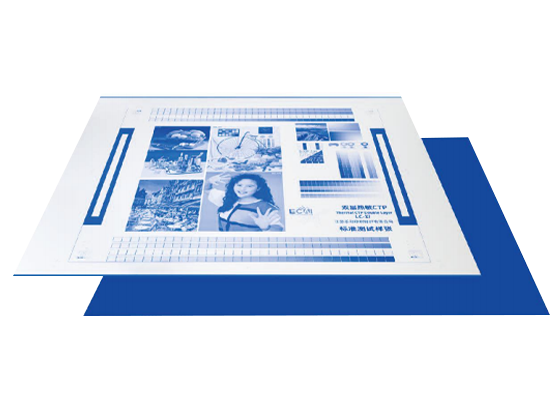
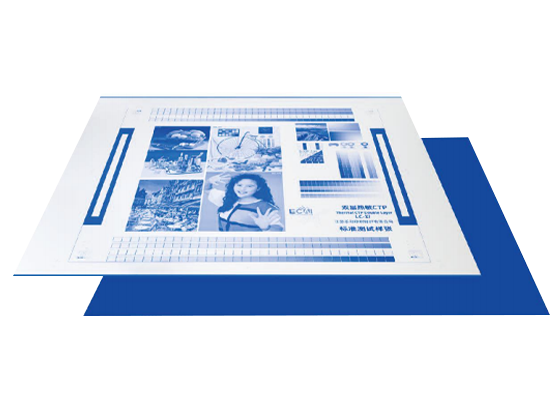
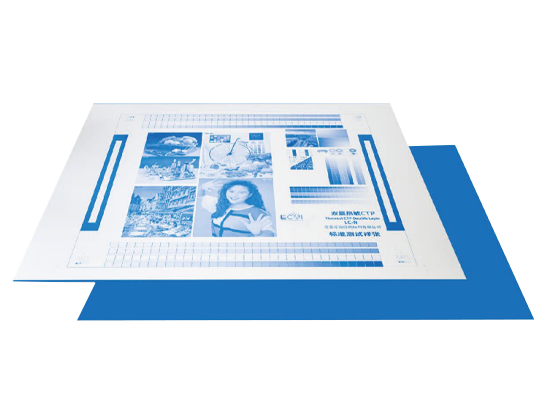
Planographic plate dominates over half of global commercial printing consumption, with aluminum as the most common base material. Its core working logic relies on the physical property that image area absorbs printing ink while blank area repels ink via water dampening. In daily newspaper printing factories, this type of printing plate can continuously complete tens of thousands of sheet printing tasks under stable equipment parameter, qualified aluminum-based planographic plate can normally support 80,000 to 120,000 effective imprints without obvious image loss. With the popularization of digital plate-making technology, traditional chemical exposure plate making is gradually replaced by direct laser exposure processing, cutting down waste liquid discharge during plate production and shortening pre-print preparation period.
Apart from four basic categories, customized printing plates emerge aiming at special printing conditions such as high-temperature extrusion and ultra-thin substrate printing. Flexible rubber-based relief plates are customized for food flexible packaging printing, which can fit uneven curved printing rollers and avoid crack during high-speed mechanical operation. Ceramic-coated intaglio plates are developed for anti-abrasion long-run printing scenarios, improving overall service cycle compared with ordinary metal etching plates.
The whole production of printing plate divides into raw material pretreatment, image exposure development, surface post-treatment three core phases, every procedure parameter fluctuation will change final plate usability. Modern standardized plate-making workshops strictly control ambient temperature and dust concentration to reduce plate surface flaw rate, and the ordered steps of conventional plate production are listed below:
Traditional plate making needs intermediate film transfer before exposure, while modern CTP direct plate making technology cancels film production link, directly converting electronic printing file into graphic on printing plate through laser scanning. Statistics from printing industry research data show that digital direct plate making cuts about 30% of pre-print preparation time compared with old craft, meanwhile lowering defective plate proportion caused by film scratch and positioning deviation. This technological evolution also lowers threshold for medium and small printing factories to launch high-precision color printing businesses.
Many external factors including mounting operation, ink property, equipment pressure and daily storage environment jointly affect the actual service life of printing plate, improper operation is the top cause of premature plate scrapping in printing workshops. Mastering influencing factors can help production staff adjust craft parameters reasonably to extend plate service cycle and reduce comprehensive printing cost.
Excessive roller pressing force will cause partial abrasion on plate image area, while insufficient pressure leads to incomplete ink transfer and blurred printed graphics. In continuous high-speed printing, abnormal foreign particles between printing plate and transfer roller will scratch plate surface to form fixed blank defect on all subsequent printed products. Operators need to regularly clean roller surface impurities and calibrate pressing clearance before batch production starts.
Unused finished printing plates need to be kept in dry, cool and dark storage space, long-term exposure under strong light will trigger chemical change of surface photosensitive layer and fail plate graphics. Operators adopt neutral dedicated cleaning liquid to wipe residual ink after finishing daily printing task, avoiding strong alkaline or acidic detergent corroding plate surface structure. Below lists forbidden behaviors in daily plate maintenance:
With stricter environmental protection regulations for printing industry globally, environment-friendly and low-pollution printing plate gradually replace traditional products containing harmful chemical components, becoming mainstream development direction of plate manufacturing industry. Core research directions focus on degradable base material and solvent-free photosensitive coating, biodegradable printing plates made from plant fiber composite materials can realize natural decomposition after discarding without polluting soil and water source, which gets wide promotion in food packaging printing field with strict environmental access standard.
Conventional offset printing plate needs continuous watering during printing to separate ink-water balance, consuming large amount of industrial water and producing wastewater mixed with chemical additives. New water-free printing plate changes surface material composition to abandon dampening water configuration link entirely, effectively cutting wastewater emission in printing workshops. Though initial procurement cost of such plate is slightly higher than ordinary products, comprehensive cost declines obviously when calculating water treatment and wastewater disposal expense in long-term mass production.
Intelligent high-speed printing machines popularized in modern factories put forward higher requirement on printing plate thickness and weight, ultra-thin composite base printing plate can fit high-speed roller rotation without plate deformation or loosening during operation. Related new material plate products keep stable dimensional change rate under continuous high-frequency mechanical extrusion, matching the production rhythm of automated unmanned printing workshop and promoting overall production efficiency upgrade of printing industry.
RELATED PRODUCTS
CONTACT US
KEEP IN TOUCH

Mobile QR code
Contact Information
No.77,Taisheng Road,Hailing District,Taizhou City,Jiangsu
+86 13961040488+86 19852223565
+86 523 86969522
Copyright © by Jiangsu Lecai Printing Materials Co., Ltd. Rights Reserved.Custom Digital Offset Printing Plates Manufacturers

 English
 Français
 Español
 Indonesia
 عربى
عربى