2026-01-15
With the continuous development of printing industry technology, traditional printing plate processing methods are becoming increasingly cumbersome and environmentally unfriendly. For printing companies, improving production efficiency, reducing costs, and minimizing environmental impact have become important issues. Processless Plate, as an emerging printing plate technology, not only changes the traditional method of plate processing but also provides the industry with a more efficient and environmentally friendly solution.
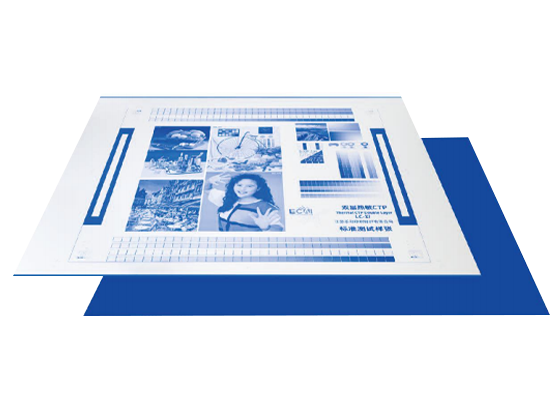
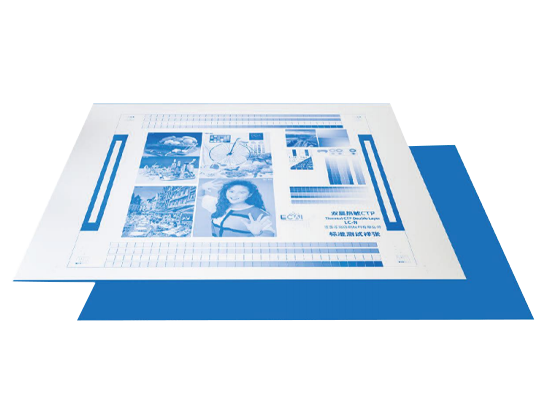
Processless Plate is a printing plate technology that allows direct printing on the printing press without the use of chemicals or external processing equipment. It relies on advanced photosensitive materials and photolithography technology, avoiding the chemical processing steps required after exposure with traditional printing plates. Compared to traditional printing plates, which require processes such as cleaning, developing, and drying, processless plates significantly simplify the entire plate-making process.
The key to this technology lies in the unique properties of its surface coating material. The surface coating of processless plates hardens in the exposed areas through a photosensitive reaction after exposure, while the unexposed areas remain soft. The unexposed areas are then easily removed by laser irradiation, completing the plate making process. These steps require no additional chemical processing, thus saving significant time and costs.
The advantages of processless plates are mainly reflected in the following aspects:
Traditional printing plate production requires a series of chemical processing steps, including developing, cleaning, and drying, each of which consumes a significant amount of time and labor. Processless plates, however, can be produced by direct laser irradiation, reducing multiple processes and significantly improving production efficiency. Printing companies can produce high-quality printing plates faster, thus shortening delivery cycles and improving customer satisfaction.
The chemical processing of traditional printing plates requires a large amount of water, chemicals, and energy, which not only increases operating costs but also places a burden on the environment. Processless plate technology avoids these chemical processes, saving materials and resources, and reducing wastewater and exhaust emissions, greatly reducing the environmental impact of the production process. Therefore, for companies pursuing cost control and sustainable development, processless plates are an ideal choice.
Processless plates offer finer printing results, especially suitable for high-precision and demanding printing jobs. Because the surface coating of processless plates hardens more uniformly after laser exposure, it avoids the uneven coating and detail loss caused by improper chemical treatment in traditional plates, thus ensuring stable and high-precision print quality.
Due to the elimination of additional developing and processing steps, processless plates are easier to operate. This not only reduces the skill requirements for operators but also minimizes errors during the operation process, improving overall production efficiency. Furthermore, the simplified operation process allows for greater flexibility in production, enabling quick responses to market demands.
Processless plate technology has a wide range of applications, playing an important role in everything from commercial printing to packaging printing. Especially in high-end printing fields such as book printing, art reproduction, and precision packaging, Processless Plates offer unparalleled advantages. They not only improve production efficiency but also ensure high-quality printing results.
In commercial printing, the quality and precision of printing plates directly affect the visual effect of the final product. Processless plates can provide high-quality printing results for advertisements, brochures, posters, etc., while significantly reducing operating costs for businesses, making them more competitive.
Packaging printing is a field with extremely high demands on precision and color. While ensuring print quality, processless plates also provide a more environmentally friendly solution for the packaging industry, meeting increasingly stringent environmental regulations and market demands. In today's increasingly environmentally conscious world, Processless Plates have become an important choice for the packaging industry.
Compared to traditional plates, processless plates usually require specialized printing presses for compatibility. While some printing presses on the market support processless plates, not all printing presses can use them. Therefore, when choosing processless plates, it is necessary to confirm the compatibility of the printing press.
The initial cost of processless plates may be higher, but because they eliminate chemical processing steps and material consumption, they can significantly reduce operating costs in the long run, especially in large-scale production, leading to more significant economic benefits.
Untreated printing plates generally have good stability, but their performance may be affected in extreme environments (such as high temperature and humidity). Manufacturers usually provide customized solutions based on different usage environments to ensure the stability of the printing plates under various conditions.
Untreated printing plates can provide a more refined printing effect, especially in terms of high precision and detail reproduction. Their printing quality is usually more stable, reducing color differences and unevenness problems caused by improper handling of traditional printing plates.
RELATED PRODUCTS
CONTACT US
KEEP IN TOUCH

Mobile QR code
Contact Information
No.77,Taisheng Road,Hailing District,Taizhou City,Jiangsu
+86 13961040488+86 19852223565
+86 523 86969522
Copyright © by Jiangsu Lecai Printing Materials Co., Ltd. Rights Reserved.Custom Digital Offset Printing Plates Manufacturers

 English
 Français
 Español
 Indonesia
 عربى
عربى