2026-01-08
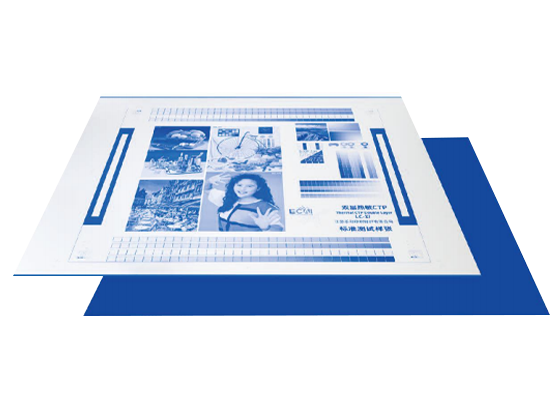
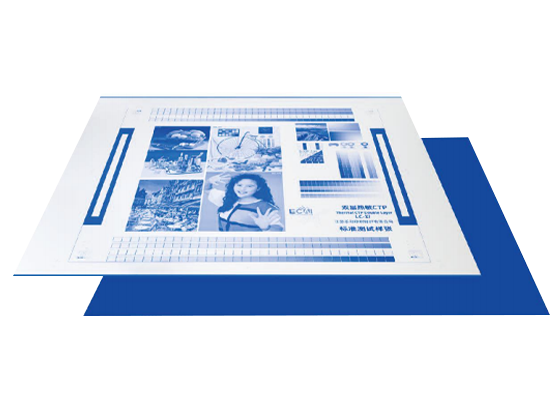
In the modern printing industry, printing plates are one of the core elements determining print quality. Whether it's traditional offset printing, flexographic printing, or modern digital printing, printing plates play an irreplaceable role. Their technical level, material properties, and applicability directly affect the clarity, color reproduction, and printing efficiency of the final printed product.
The material of the printing plate determines its wear resistance, image resolution, and ability to adapt to different printing processes. Common printing plate materials mainly include aluminum plates, polyester plates, and flexible rubber plates. Aluminum plates are known for their hardness, durability, and high surface flatness, making them suitable for high-precision offset printing. Polyester plates are favored by small and medium-sized printing equipment due to their lightness and lower cost, while flexible rubber plates are suitable for flexographic printing, capable of handling complex patterns and curved surface printing.
In terms of process, printing plates typically undergo plate making, surface treatment, exposure, and development. Advances in plate-making technology have made the microstructures on the surface of printing plates more refined, thereby improving the sharpness and color saturation of printed images. Surface treatment technology can adjust the oleophilicity and hydrophilicity of the plate material to adapt to the adhesion requirements of different inks. The exposure and development processes ensure the accurate transfer of printed images, reducing plate wear and printing errors.
Printing plates are subjected to continuous friction, ink adhesion, and cleaning agents during the production process, so durability is an important indicator for evaluating their performance. High-quality aluminum plates undergo anodizing treatment to form a hard protective layer, which not only prevents corrosion but also ensures long-term stability for repeated use. Flexible plates require anti-tear treatment during the manufacturing process to extend their service life.
Maintenance is also a crucial aspect of ensuring print quality. Printing plates must be clean and dust-free before use, and residual ink should be cleaned immediately after printing to prevent corrosion or residue from clogging fine patterns. Storage conditions also directly affect plate performance; keeping them dry, avoiding direct sunlight and high temperatures helps extend plate life and maintain stable printing results.
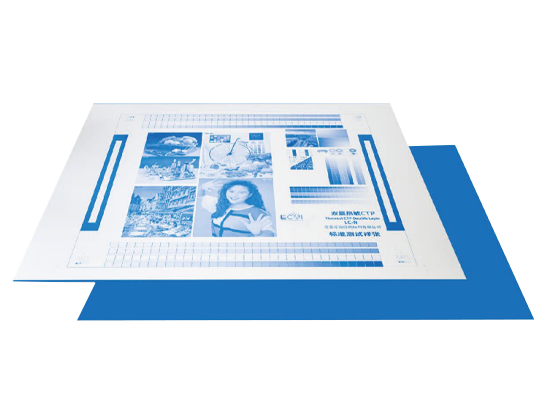
The surface structure and material properties of printing plates directly determine the quality of the printed product. The flatter the plate surface, the higher the image resolution and the clearer the detail. Printing plates made of different materials exhibit differences in ink adsorption and transfer, which affects color saturation and gradation. For example, aluminum plates can accurately reproduce fine image textures, while flexible plates perform better on curved or flexible materials. The stability of the plate material also affects color consistency; highly stable plate materials ensure that the color and details of each product remain consistent in large-volume printing.
With the continuous development of printing technology, printing plate materials are also constantly being upgraded. New composite materials and coating technologies have significantly improved the wear resistance, environmental friendliness, and ink adaptability of plate materials. Some plate materials use low-energy plate-making processes, reducing the use of chemical agents while maintaining high resolution and durability. At the same time, the application of digital printing plate-making technology allows printing plate materials to quickly respond to design changes, shorten the plate-making cycle, and improve production flexibility. These innovations not only improve printing quality but also increase production efficiency and economic benefits.
In practical applications, the selection of printing plate materials should be based on a comprehensive consideration of the printing process, the type of printed product, and the production scale. The plate material determines the type of printing press and ink it is suitable for, the surface treatment process of the plate affects the fineness of the printing effect, and the thickness and flexibility of the plate are related to the stability of large-volume printing. Reasonable selection can optimize the printing process, reduce losses, and ensure the final quality of the printed product meets the expected standards.
The modern printing industry has increasingly stringent environmental protection requirements, and the greening of printing plate materials has become a key focus of the industry. New environmentally friendly plate materials reduce reliance on chemical solvents, reduce wastewater discharge, and improve recycling rates. Reusable printing plate materials and low-energy plate-making technologies help reduce production costs and environmental impact, achieving a win-win situation for economic benefits and environmental goals.
A: Yes, it has a significant impact. The plate material determines its surface flatness, wear resistance, and ink adhesion effect, which directly affects the clarity, color saturation, and detail representation of the printed image.
A: Keeping printing plates clean, promptly cleaning off ink, avoiding high temperatures and direct sunlight, choosing durable plate materials, and following proper storage and handling procedures can significantly extend the lifespan of printing plates.
A: Digital platemaking reduces the use of chemical agents, shortens the platemaking cycle, improves image accuracy and color consistency, and allows for quick response to design changes, increasing production flexibility.
A: Environmentally friendly plates typically consume less energy, reduce the use of chemical solvents, and are reusable or highly recyclable. They also ensure high-quality printing results and meet modern green printing standards.
RELATED PRODUCTS
CONTACT US
KEEP IN TOUCH

Mobile QR code
Contact Information
No.77,Taisheng Road,Hailing District,Taizhou City,Jiangsu
+86 13961040488+86 19852223565
+86 523 86969522
Copyright © by Jiangsu Lecai Printing Materials Co., Ltd. Rights Reserved.Custom Digital Offset Printing Plates Manufacturers

 English
 Français
 Español
 Indonesia
 عربى
عربى