2026-06-15
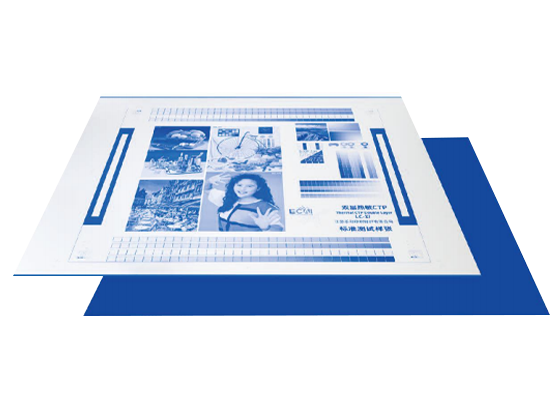
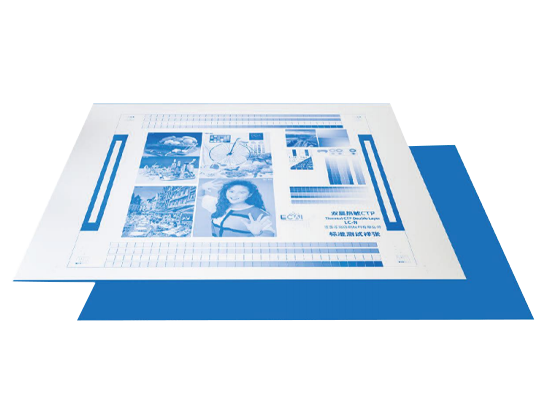
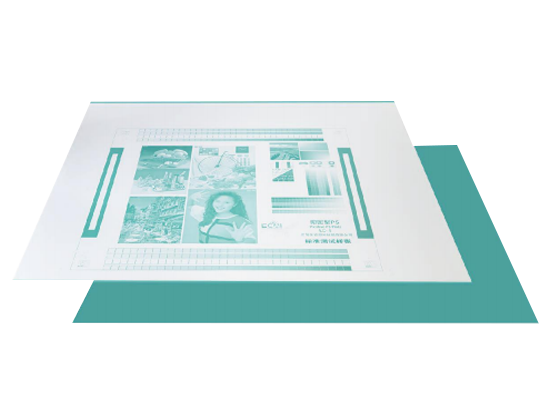
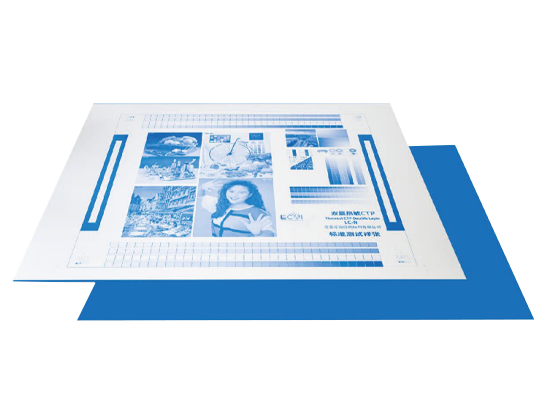
CTCP (Computer-to-Conventional Plate) technology utilizes UV laser sources to image digital files directly onto traditional photosensitive plates. This innovation successfully bridges the gap between digital workflows and traditional printing materials, offering a highly cost-effective, versatile, and efficient solution for commercial printing operations without the need for expensive thermal plates.
The fundamental principle of a CTCP plate revolves around the direct digital exposure of a conventional UV-sensitive printing plate. Unlike thermal Computer-to-Plate (CTP) systems that require specialized and costly thermal plates, CTCP systems use a digital screen to modulate a UV light source, usually operating in the blue or ultraviolet spectrum. This modulated light is then projected directly onto the traditional plate surface.
At the heart of the CTCP imaging system is the Digital Mirror Device (DMD). This optical semiconductor contains millions of microscopic mirrors that can be individually tilted. By tilting these mirrors, the system either reflects the UV light onto the plate or away from it, effectively "drawing" the digital image pixel by pixel. This process eliminates the need for traditional film intermediaries, drastically reducing the potential for image distortion and registration errors.
The most significant technical advantage is its compatibility with standard positive or negative conventional PS (Presensitized) plates. Because these plates are mass-produced and utilize widely available UV-sensitive coatings, the material costs for printing operations are substantially lower than those associated with specialized thermal CTP plates. This compatibility allows print shops to transition to a fully digital workflow without abandoning their existing, cost-effective plate supply chains.
Adopting CTCP technology offers several practical benefits that directly impact a printing facility's bottom line and operational efficiency. The advantages span from material costs to environmental sustainability, making it a compelling choice for mid-sized and large commercial printers.
CTCP plates are highly versatile and find extensive use across various segments of the printing industry. Their ability to deliver consistent quality on affordable materials makes them ideal for a wide range of products.
For magazines, brochures, catalogs, and books, CTCP technology provides the necessary resolution and tonal range. The precise dot control ensures that fine text and detailed photographic images are reproduced with high fidelity. Furthermore, the fast imaging speed supports the high-volume demands of publication printing schedules.
In the packaging sector, consistency across multiple print runs is critical. CTCP plates offer stable print runs, reducing the need for frequent plate changes and press stops. They are effectively used for folding cartons, flexible packaging, and labels, where solid color reproduction and sharp reverse text are essential.
| Industry Segment | Typical Products | Primary Benefit of CTCP |
|---|---|---|
| Publication | Magazines, Books, Newspapers | High-volume cost savings and fast turnaround |
| Commercial | Brochures, Flyers, Catalogs | High-resolution image and text reproduction |
| Packaging | Cartons, Labels, Flexible Packaging | Consistent solid colors and sharp reverses |
To maximize the lifespan of CTCP plates and ensure consistent print quality, printing facilities must adhere to strict maintenance and operational protocols. The reliability of the imaging process heavily depends on the condition of the optical components and the processing environment.
Conventional UV plates are sensitive to ambient light and environmental conditions. Safe lighting (typically yellow light) must be used in the plateroom to prevent accidental exposure. Furthermore, temperature and humidity must be strictly controlled. High humidity can cause the plate coating to become tacky, leading to imaging defects, while extreme temperature fluctuations can alter the chemical sensitivity of the plate.
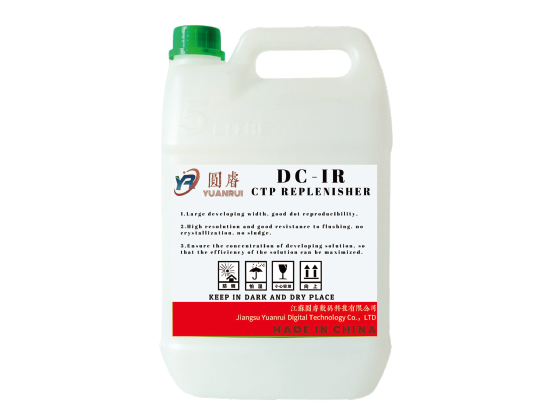
After digital exposure, the CTCP plate must still be processed through a chemical developer. Maintaining the correct developer temperature, concentration, and replenishment rate is vital. Using exhausted or improperly mixed chemistry will result in weak dot formation, scumming on press, and drastically shortened plate life. Regular cleaning of the processor rollers is necessary to prevent mechanical scratches on the plate surface.
The DMD and UV light source require periodic inspection. Dust accumulation in the optical path can block mirrors, causing imaging voids. Regular cleaning of the optical lenses and timely replacement of the aging UV lamp ensure consistent exposure energy and prevent uneven imaging across the plate format.
As the printing industry continues to evolve towards greener practices, CTCP technology is also advancing to meet new environmental standards and production demands. The future of CTCP lies in processless solutions and enhanced imaging speeds.
One of the most anticipated advancements is the creation of processless or chemistry-free conventional plates compatible with UV imaging systems. By eliminating the wet processing stage, print shops can drastically reduce water consumption, eliminate chemical waste, and remove the costs associated with processor maintenance. While still emerging, this technology represents the ultimate goal for sustainable CTCP operations.
Future CTCP devices are focusing on higher-resolution DMD chips and more powerful UV light sources to increase imaging speeds. Faster platesetters allow printers to handle larger volumes of short-run jobs efficiently. Additionally, automated loading and unloading systems are becoming standard, reducing manual labor and further minimizing the risk of handling damage.
In conclusion, CTCP plates represent a pragmatic and highly effective technology that democratizes digital prepress workflows. By merging the precision of digital imaging with the economic and material benefits of conventional plates, it provides a balanced solution. With ongoing improvements in sustainability and automation, CTCP remains a vital technology for the modern printing industry.
CONTACT US
KEEP IN TOUCH

Mobile QR code
Contact Information
No.77,Taisheng Road,Hailing District,Taizhou City,Jiangsu
+86 13961040488+86 19852223565
+86 523 86969522
Copyright © by Jiangsu Lecai Printing Materials Co., Ltd. Rights Reserved.Custom Digital Offset Printing Plates Manufacturers

 English
 Français
 Español
 Indonesia
 عربى
عربى