2026-06-22
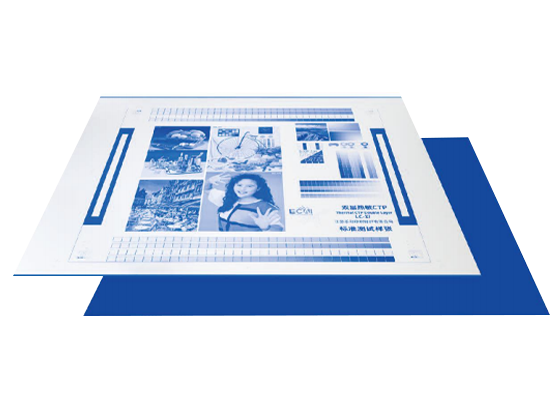
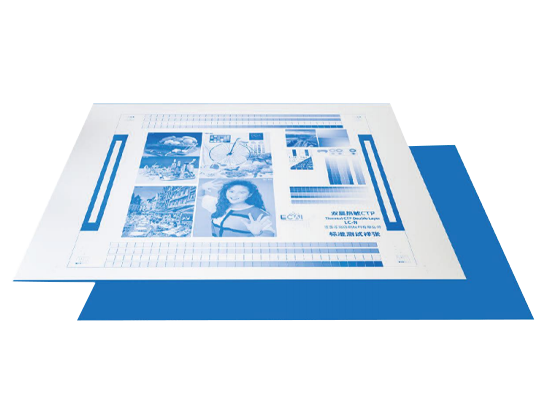
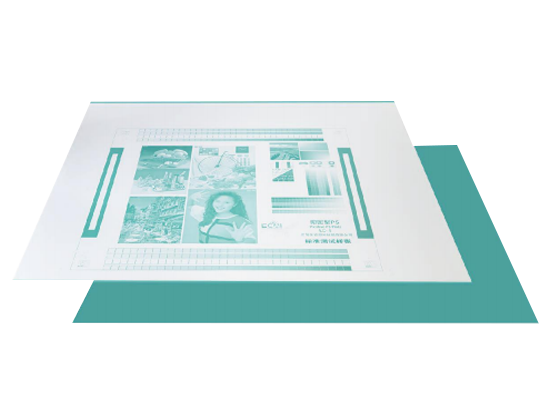
A process-less plate is a type of advanced printing plate that completely eliminates the need for chemical developers, processing equipment, and the associated water consumption during the plate-making stage. Instead of running exposed plates through a chemical bath, the plate is imaged directly on a platesetter and then mounted onto the printing press, where the unfixed coating is removed by the press's own fountain solution and ink. This technology provides a direct answer to the printing industry's demand for higher operational efficiency, lower environmental impact, and improved consistency in print quality.
To understand the impact of process-less plates, one must first understand how they function. Traditional plate-making requires a multi-step chemical process. After laser exposure on a computer-to-plate (CTP) device, the plate must be transported to a processor where chemical developers wash away the unexposed areas. The plate is then rinsed, gummed, and dried before it is ready for the press.
Process-less plates bypass this entire sequence. They utilize a specialized coating that reacts to thermal laser energy. Once the image is burned into the plate, the plate is ready to be used. The removal of the non-image area occurs directly on the printing press during the initial make-ready rotations. The press's fountain solution dissolves the unexposed coating, and it is transferred away via the paper or ink rollers. This on-press development is the core mechanism that defines process-less technology, fundamentally streamlining the prepress workflow.
The shift from conventional plates to process-less plates is not merely a minor upgrade; it is a transformative step that offers substantial operational and environmental advantages.
Traditional plate processing requires significant amounts of water and harsh chemicals, which eventually become waste that must be treated and disposed of. Process-less plates eliminate the need for these developers entirely. By removing the chemical processor, a print shop can reduce water consumption by nearly 100% in the platemaking department. Furthermore, the elimination of chemical waste aligns perfectly with global sustainability initiatives and strict local environmental regulations.
Chemical processors are prone to variables. The temperature of the developer, the speed of the transport rollers, and the age of the chemistry all affect how the plate is processed. A slight deviation can lead to dot gain or dot loss, severely affecting color reproduction. Process-less plates remove these variables entirely. Since the plate goes straight from the imaging device to the press, the digital dot structure is preserved exactly as it was written. This guarantees consistent dot reproduction and predictable color output across different print runs.
Eliminating the processor means eliminating the costs associated with buying chemicals, maintaining the processing machinery, and paying for waste disposal. It also frees up valuable floor space in the prepress department. Smaller print shops, in particular, benefit from this space-saving aspect, as it allows them to maximize their operational footprint without investing in bulky processing infrastructure.
The difference in workflow efficiency becomes clear when comparing the steps required for each method. The reduction in physical handling significantly decreases the time it takes to get a job on press.
| Traditional Plate Workflow | Process-less Plate Workflow |
|---|---|
| Laser imaging on CTP | Laser imaging on CTP |
| Chemical development in processor | Direct transfer to press |
| Water rinsing | On-press development during make-ready |
| Gumming and drying | Normal printing |
| Transfer to press | N/A |
As shown in the table above, process-less technology cuts out the middleman. This leads to a significant reduction in labor time and minimizes the risk of physical damage to the plate during transit between the prepress area and the pressroom.
While process-less plates offer numerous benefits, they are not universally identical. Printers must choose the right type of plate based on their specific applications, press configurations, and run length requirements.
In commercial printing environments where short to medium runs are the norm, process-less plates shine. They allow for quick job changes and rapid make-ready. The ability to image a plate and have it on the press in a matter of minutes makes them ideal for fast-paced environments handling brochures, flyers, and business cards.
Historically, process-less plates struggled with very long run lengths compared to their baked, conventional counterparts. However, advancements in coating technology have dramatically improved their durability. Modern high-end process-less plates can easily achieve run lengths of over 100,000 impressions without baking, and even more with specialized UV inks. This makes them increasingly viable for packaging applications where stability over long runs is critical.
Transitioning to a process-less workflow is not without its initial hurdles. Printers must be aware of these challenges to ensure a smooth integration.
The future of process-less plates is geared towards even greater versatility and automation. Manufacturers are continuously refining the polymer coatings to expand the color gamut, improve scratch resistance, and enhance performance with low-energy UV inks. Another major trend is the integration of process-less plates with automated plate loading and punching systems. When combined, these technologies create a completely lights-out prepress environment, where plates are imaged, punched, and transported to the press entirely by robotics, without human intervention.
Furthermore, as the industry moves toward more sustainable practices, the development of chemistry-free coatings that do not rely on petroleum-based polymers is gaining traction. We are seeing research into bio-based and highly degradable coatings that will make the on-press development process even more environmentally benign.
In conclusion, process-less plates are not just an alternative; they are rapidly becoming the industry standard. By drastically reducing chemical waste, lowering operational costs, and ensuring unparalleled consistency, they offer a practical and forward-thinking solution for modern printing operations. Embracing this technology allows print service providers to remain competitive in a market that increasingly values both speed and ecological responsibility.
CONTACT US
KEEP IN TOUCH

Mobile QR code
Contact Information
No.77,Taisheng Road,Hailing District,Taizhou City,Jiangsu
+86 13961040488+86 19852223565
+86 523 86969522
Copyright © by Jiangsu Lecai Printing Materials Co., Ltd. Rights Reserved.Custom Digital Offset Printing Plates Manufacturers

 English
 Français
 Español
 Indonesia
 عربى
عربى