2026-07-01
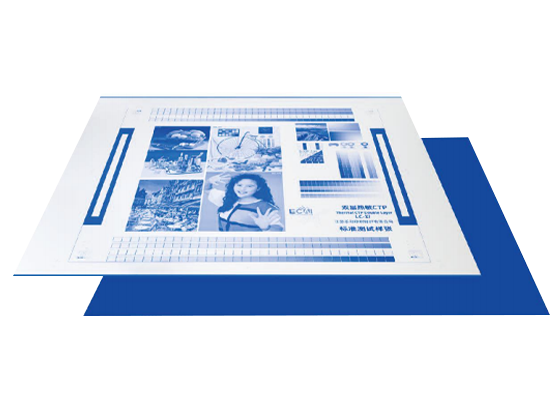
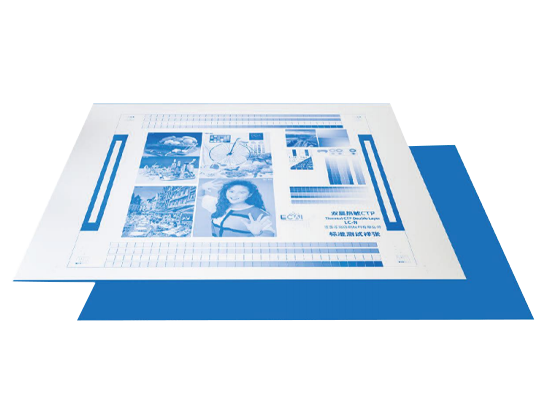
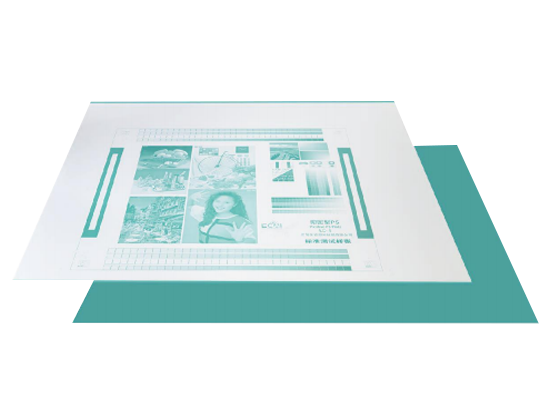
CTCP (Computer-to-Conventional Plate) double-layer plates represent a pivotal innovation in the printing industry, bridging the gap between traditional platemaking and digital workflows. By utilizing an advanced dual-coating structure on a standard aluminum base, these plates offer significant cost savings and enhanced print quality without requiring entirely new processing equipment. The double-layer technology allows for high-resolution digital imaging while maintaining the durability and chemical compatibility of conventional plates, making it an ideal solution for mid-sized print houses looking to modernize efficiently.
To fully appreciate the capabilities of CTCP double-layer plates, one must understand their unique physical architecture and how they interact with digital imaging devices. Unlike single-layer systems, the double-layer configuration is specifically engineered to optimize both the imaging process and the subsequent printing performance.
The foundation of the plate is a high-grade aluminum substrate, which is electrochemically grained and anodized to ensure optimal water retention and mechanical strength. Upon this base, two distinct layers are applied. The bottom layer is typically a conventional photopolymer or diazo coating that reacts to UV light. The top layer acts as a protective barrier and an optical enhancement layer, which often improves the absorption of the laser wavelength and prevents oxidation or contamination before exposure. This separation of functions allows the plate to achieve superior imaging resolution while maintaining the robust ink-accepting properties required for long print runs.
During the platemaking process, a digital file directs a UV or violet laser to expose the plate. The laser selectively alters the solubility of the top layer, which subsequently affects the bottom photopolymer layer. Once exposed, the plate is developed using conventional alkaline chemistry. The unexposed areas are washed away, revealing the hydrophilic aluminum base, while the exposed areas harden and remain to accept ink. This process bypasses the need for traditional film negatives, drastically reducing imaging errors and setup times.
The adoption of CTCP double-layer plates brings several tangible benefits to a printing operation. These advantages range from economic factors to technical improvements in print fidelity, providing a compelling case for print service providers.
When evaluating platemaking technologies, it is crucial to understand how CTCP double-layer plates stand against thermal CTP systems. While both offer digital workflows, their operational characteristics and economic models differ significantly.
| Feature | CTCP Double-layer Plate | Thermal CTP Plate |
|---|---|---|
| Imaging Technology | UV/Violet Laser | Infrared Laser |
| Processing Chemistry | Conventional Alkaline | Specialized or Processless |
| Equipment Investment | Low to Medium | High |
| Typical Run Length | High | Very High |
As demonstrated, the primary distinction lies in the required infrastructure and cost of entry. CTCP allows businesses to leverage existing assets, whereas thermal CTP often necessitates a complete system overhaul but provides slightly higher run lengths and sharper edge definition for specialized high-end work.
CTCP double-layer plates are versatile and find extensive use across various sectors of the commercial printing industry. Their ability to balance quality with economic viability makes them suitable for a broad spectrum of print products.
For magazines, brochures, and catalogs, consistent color reproduction and sharp image details are paramount. The double-layer structure ensures that the fine halftone dots required for high-quality image reproduction are maintained throughout the print run. The reliability of the plates under high-speed press conditions ensures that large publication runs are completed without unexpected downtime for plate changes.
In packaging, where solid ink coverage and precise line work are critical, the durability of the CTCP double-layer plate shines. The robust coating resists the abrasive nature of various packaging substrates, such as coated boards and synthetic materials. This results in consistent ink density across the entire batch, ensuring brand colors remain uniform from the first box to the last.
To maximize the lifespan and performance of CTCP double-layer plates, strict adherence to handling and processing guidelines is essential. Even the most advanced plate technology can underperform if subjected to poor environmental conditions or improper chemical maintenance.
By implementing these operational standards, printing facilities can ensure that their CTCP double-layer plates consistently deliver the high-quality output and economic benefits they were designed to provide.
RELATED PRODUCTS
CONTACT US
KEEP IN TOUCH

Mobile QR code
Contact Information
No.77,Taisheng Road,Hailing District,Taizhou City,Jiangsu
+86 13961040488+86 19852223565
+86 523 86969522
Copyright © by Jiangsu Lecai Printing Materials Co., Ltd. Rights Reserved.Custom Digital Offset Printing Plates Manufacturers

 English
 Français
 Español
 Indonesia
 عربى
عربى