2026-04-08
The direct answer to whether a CTP double-layer plate is a worthwhile investment for commercial printing operations is a resounding yes. This plate technology fundamentally outperforms traditional single-layer variants by providing significantly enhanced dot reproduction, extended press run lengths, and drastically reduced makeready times. By utilizing two distinct functional layers—a high-sensitivity imaging top layer and a robust, grainy aluminum substrate base—this technology eliminates the compromises that once forced printers to choose between fast imaging speeds and durable press performance. For any printing facility aiming to elevate output quality while maintaining aggressive production schedules, the CTP double-layer plate represents the most reliable and practical solution available today.
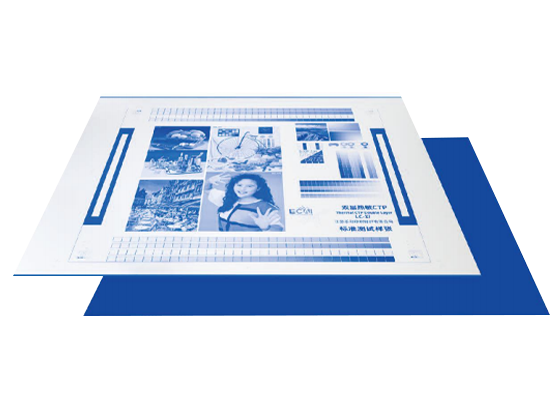
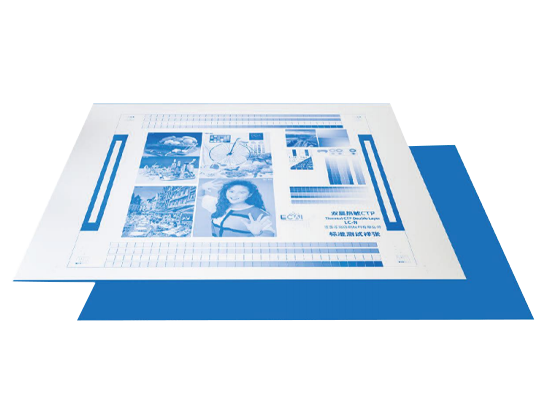
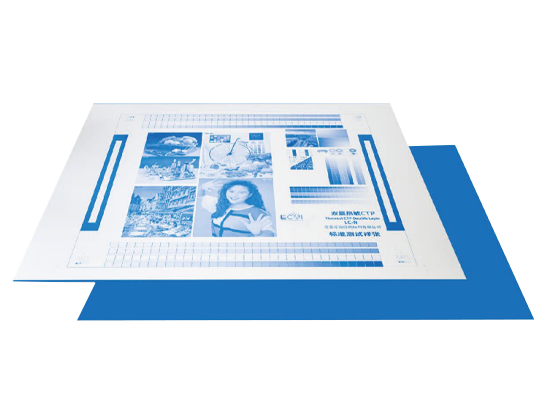
Understanding why this plate performs so well requires a close look at its physical construction. Unlike a single-layer plate, where the imaging chemistry is mixed directly into the base coating, a CTP double-layer plate separates these functions to optimize both. The top layer is engineered strictly for laser sensitivity. It is designed to absorb the specific wavelength of the platesetter laser—typically violet or thermal—and react almost instantaneously to create a precise latent image. Once the imaging is complete, this top layer is processed away in the non-image areas, revealing the hydrophilic properties needed to repel ink.
The bottom layer acts as the anchor. It is bonded directly to the electrochemically grained and anodized aluminum base. This layer's primary job is to ensure that the image dots adhere aggressively to the plate during the intense friction of the printing press. Because the imaging layer does not have to compromise its chemical makeup to also provide adhesion, the dots sit exactly where the laser placed them. This separation of duties results in dots that are sharper, more uniform, and far more resistant to mechanical wear.
In modern commercial printing, the ability to hold fine dots directly dictates the visual quality of the final product. Whether producing high-end catalogues, premium packaging, or detailed art reproductions, the transition from shadows to highlights must be smooth and flawless. A CTP double-layer plate excels in this area because the ultra-thin top imaging layer allows the laser to define dots with microscopic precision. There is no scattering of light within the coating, which means a one-percent dot remains a one-percent dot, and a ninety-nine-percent dot does not plug or fill in.
This level of control is particularly noticeable when working with stochastic screening, where the dot sizes are extremely small and randomly placed. Traditional plates often struggle to hold these micro-dots through the processing and mounting phases. A dual-layer plate reliably holds micro-dots as small as ten micrometers, ensuring that fine textures, skin tones, and subtle gradients reproduce with stunning accuracy. Printers utilizing this technology consistently report a visible reduction in moiré patterns and a noticeable increase in the overall visual depth of their printed materials.
Press downtime for plate changes is one of the most significant bottlenecks in a printing plant. Every time a plate wears out before the job is finished, the press must be stopped, the old plate removed, a new plate mounted, and the ink-water balance re-established. The CTP double-layer plate combats this issue through its superior dot anchoring system. The bottom layer creates a chemical and mechanical bond with the image area that is incredibly resilient to the abrasive action of printing press blankets, ink rollers, and dampening rollers.
While standard plates might begin to show signs of wear—such as dot loss in the mid-tones or scratching in solid areas—after a certain number of impressions, dual-layer plates push this threshold much higher. Printers regularly achieve run lengths exceeding hundreds of thousands of impressions on standard web presses without any visible degradation in print quality. For packaging converters and publication printers running long repeats, this durability translates directly into higher machine utilization and fewer emergency remakes.
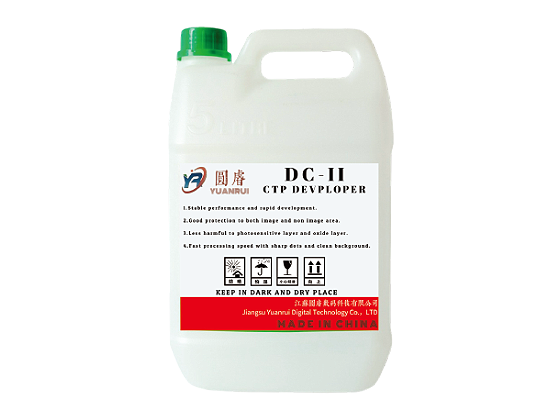
Speed on the pressroom floor is just as critical as speed on the platesetter. The CTP double-layer plate contributes to faster makeready in two distinct ways. First, because the top imaging layer is highly sensitive, it requires less laser energy to expose. This allows the platesetter to operate at its maximum velocity without risking under-exposure. Second, during the chemical processing stage, the top layer is designed to dissolve rapidly and cleanly in the developer solution. There is no lingering residue or scumming in the non-image areas, which means the plate comes out of the processor ready to mount.
Once on the press, the plate reaches ink-water equilibrium exceptionally fast. The distinct separation between the hydrophilic non-image areas—exposed when the top layer washes away—and the oleophilic image areas means the press operator spends far less time adjusting ink keys and dampening settings. Reductions in makeready waste of twenty to thirty percent are commonly reported when switching from conventional single-layer plates to a dual-layer system. This rapid stabilization saves not only paper and ink but also valuable press hours.
To clearly illustrate the practical differences between these two technologies, it is helpful to examine their performance characteristics side by side. The following table highlights the key areas where the dual-layer architecture provides a distinct operational advantage.
| Performance Metric | Single Layer Plate | CTP Double Layer Plate |
|---|---|---|
| Dot Reproduction Accuracy | Moderate, prone to dot gain | High, maintains micro-dots |
| Run Length Durability | Standard threshold | Significantly extended |
| Processing Speed | Standard dissolve time | Rapid, clean dissolution |
| Makeready Waste | Higher paper consumption | Noticeably reduced |
| Stochastic Screening Compatibility | Challenging, high dot loss | Excellent, reliable dot hold |
The unique properties of the CTP double-layer plate make it highly adaptable, yet certain printing segments reap the most significant benefits from its implementation. Understanding which applications align best with this technology helps print buyers and production managers make informed decisions about their consumable investments.
For brochures, annual reports, and luxury catalogs, visual perfection is non-negotiable. The ability of the dual-layer plate to hold fine highlights and prevent shadow plugging ensures that photographs and complex graphics appear vibrant and true to the original digital file. The quick ink-water balance also ensures that color proofs match the press sheet rapidly.
Packaging often requires printing on abrasive substrates like corrugated board, textured paper, or synthetic films. These materials are notoriously tough on printing plates. The robust adhesion provided by the bottom layer of a CTP double-layer plate prevents the image dots from shearing off when running against rough surfaces. This makes dual-layer plates particularly effective for maintaining barcode readability and brand color consistency across long packaging runs.
In high-speed web offset environments, the emphasis is on speed and consistency. The fast processing times and rapid makeready characteristics of dual-layer plates keep web presses running at optimal speeds. While the substrate (newsprint) is less abrasive, the sheer volume of impressions requires a plate that will not degrade midway through a print run, ensuring consistent quality from the first copy to the last.
Even the most advanced plate technology requires proper handling to deliver its full potential. The top imaging layer of a CTP double-layer plate, while highly sensitive to laser light, can be susceptible to physical damage if mistreated before processing. Implementing strict handling protocols ensures that the integrity of the dual layers is maintained from the moment the box is opened until the plate is mounted on the press.
When evaluating consumables, the purchase price of the plate is only one factor in the overall financial equation. The true value of a CTP double-layer plate is revealed when calculating the total cost of ownership. By reducing makeready waste, facilities save on expensive paper and ink. By extending run lengths, they eliminate the labor and material costs associated with pulling and remaking plates mid-job. Furthermore, the reduction in customer rejections due to poor dot reproduction or inconsistent color directly protects the printer's bottom line and reputation.
The consistency provided by this technology also allows press operators to work with greater confidence. When they know the plate will image accurately and hold up on press, they can focus on optimizing ink densities and registration rather than fighting plate-related defects. Ultimately, upgrading to a CTP double-layer plate shifts the production environment from a reactive state—constantly troubleshooting quality issues—to a proactive state focused on maximizing throughput and profitability.
As the printing industry continues to evolve, the demands placed on consumables will only increase. The trend toward higher screen rulings, wider color gamuts, and more stringent color management standards requires plates that operate with absolute precision. The foundational architecture of the CTP double-layer plate is uniquely positioned to meet these future demands. Research and development in this space are currently focused on making the top imaging layers even thinner and more sensitive, which will allow for even faster platesetting speeds without sacrificing the durability of the base layer.
Additionally, as environmental regulations around pressroom chemistry tighten, the clean processing characteristics of dual-layer plates offer a distinct advantage. Because the top layer dissolves completely and efficiently, it requires less aggressive developer solutions and generates less chemical waste. This aligns perfectly with the industry's broader movement toward sustainable manufacturing practices, ensuring that the CTP double-layer plate will remain a cornerstone of high-quality offset printing for years to come.
Transitioning to a CTP double-layer plate system requires coordination between the prepress department, the pressroom, and chemical suppliers. To ensure a smooth integration and immediate realization of the benefits outlined above, production managers should verify that the following elements are in place.
RELATED PRODUCTS
CONTACT US
KEEP IN TOUCH

Mobile QR code
Contact Information
No.77,Taisheng Road,Hailing District,Taizhou City,Jiangsu
+86 13961040488+86 19852223565
+86 523 86969522
Copyright © by Jiangsu Lecai Printing Materials Co., Ltd. Rights Reserved.Custom Digital Offset Printing Plates Manufacturers

 English
 Français
 Español
 Indonesia
 عربى
عربى