2026-04-01
A professional, process-less plate manufacturer is the core supplier of high-efficiency, environmentally friendly pre-press equipment for the global printing industry. Compared with traditional printing plate manufacturers, process-less plate manufacturers focus on R&D, production and sales of printing plates that eliminate on-press or off-press processing procedures, and their core competitiveness lies in zero chemical waste discharge, 50% higher production efficiency, and long-term cost reduction for printing enterprises. These manufacturers have broken through the technical bottlenecks of traditional printing plates, realized the integration of plate making and printing, and become the key promoters of the green transformation and intelligent upgrading of the printing industry.
For commercial printing, packaging printing, label printing, and other fields, choosing a reliable process-less plate manufacturer means giving up the cumbersome processing links such as developing, fixing, and washing required by traditional plates, reducing the purchase and maintenance of supporting processing equipment, and eliminating the environmental pollution caused by chemical liquids. At the same time, the process-less plates produced by regular manufacturers have stable printing performance, high resolution, and strong adaptability to various inks and substrates, which can meet the high-precision printing needs of different industries.
From the perspective of industry development, process-less plate manufacturers are not just product suppliers, but also provide systematic pre-press solutions. They combine material science, precision manufacturing, and digital technology to continuously optimize product performance and form a complete industrial chain from raw material supply to finished product testing and after-sales service. This integrated operation model ensures the stability of product quality and the timeliness of technical support, and has been widely recognized in the European, American, Asian, and global printing markets.
The production of process-less plates has extremely high requirements for raw materials, which is the primary link that process-less plate manufacturers focus on. Unlike traditional printing plates that rely on chemical coatings, process-less plates use special photosensitive materials, thermal imaging materials and high-strength aluminum alloy bases. Manufacturers need to carry out strict screening and testing of raw materials to ensure that they can adapt to the laser direct imaging technology and maintain stable performance in high-speed printing.
Regular process-less plate manufacturers have established a complete raw material quality management system. The aluminum alloy base adopts high-hardness, high-flatness specifications, which can effectively avoid deformation during the printing process; the photosensitive coating uses nano-level materials, with high sensitivity and fast imaging speed, supporting laser imaging speeds of up to 2 meters per second, which is suitable for large-scale and high-efficiency production lines. In addition, raw materials need to pass environmental protection certification, do not contain heavy metals and harmful substances, and meet the EU RoHS and other international environmental protection standards.
The manufacturing process of process-less plates is the core technical advantage of manufacturers, which is divided into base processing, coating, imaging layer curing, precision cutting and finished product testing. The entire production line adopts fully automated intelligent equipment, which reduces manual errors and ensures the consistency of product specifications.
Before leaving the factory, each batch of process-less plates must pass multi-dimensional testing. Professional manufacturers set up independent testing laboratories, covering imaging performance, wear resistance, ink affinity, environmental adaptability, and other testing items. Only products that meet all indicators can be packaged and shipped, which effectively reduces the after-sales failure rate.
| Testing Item | Qualified Standard | Testing Purpose |
|---|---|---|
| Imaging Resolution | ≥2400 dpi | Ensure high-precision pattern restoration |
| Printing Runs | ≥100,000 impressions | Adapt to long-term continuous printing |
| Temperature Adaptability | -10℃ to 60℃ | Suitable for different global regions |
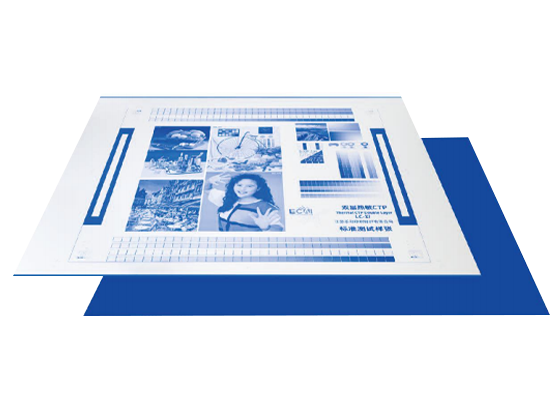
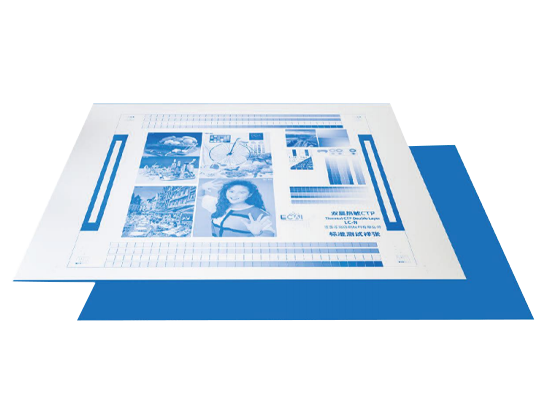
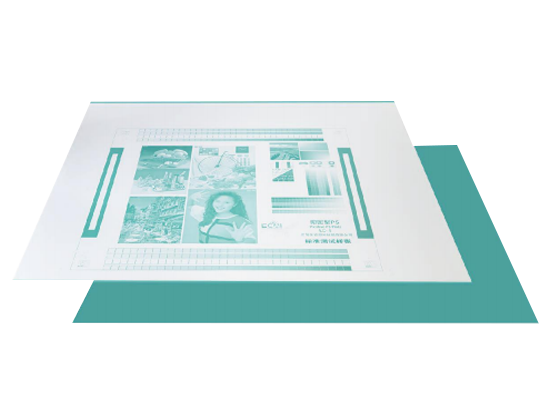
According to different imaging technologies and application fields, process-less plate manufacturers have developed a wealth of product lines to meet the diversified needs of the printing market. The products are mainly divided into thermal process-less plates and UV process-less plates, which are the two core categories of the industry.
Thermal process-less plates are suitable for laser thermal imaging equipment, with fast imaging speed and strong stability, mainly used in high-speed commercial printing and packaging printing; UV process-less plates use UV laser imaging technology, with low equipment cost and strong compatibility, suitable for small and medium-sized printing enterprises and label printing. In addition, manufacturers also launch customized thickness and size products, such as 0.15mm, 0.2mm, and 0.3mm thickness specifications, to adapt to different types of printing presses.
The products of process-less plate manufacturers cover almost all segments of the printing industry, and have achieved large-scale applications in developed countries and emerging markets. In commercial printing, process-less plates are used for magazines, books, brochures, and other products, reducing the pre-press time by more than 60% and realizing fast delivery of printed materials.
In packaging printing, including food packaging, cosmetic packaging, pharmaceutical packaging, and other fields, process-less plates meet the requirements of high color reproduction and environmental protection, and comply with the food safety and health standards of packaging materials. For label printing, especially self-adhesive labels and anti-counterfeiting labels, the high resolution of process-less plates can restore fine patterns and text, improving the added value of products.
In addition, digital printing supporting process-less plates has become a new growth point for manufacturers. With the popularization of digital printing technology, the demand for process-less plates with high compatibility and fast switching is increasing, and manufacturers have carried out targeted R&D and production to seize the market opportunity.
One of the core values of process-less plate manufacturers is to solve the environmental pollution problem of the traditional printing industry. Traditional printing plates require a large number of chemical developers and cleaning agents in the production process, resulting in waste liquid and waste gas that are difficult to handle. The process-less plates produced by professional manufacturers eliminate the processing link, realizing zero discharge of chemical waste liquid and zero consumption of water resources in the pre-press stage.
According to industry statistics, a medium-sized printing enterprise using process-less plates can reduce the discharge of more than 10 tons of chemical waste liquid every year, and save 500 tons of water resources at the same time. On a global scale, the large-scale application of process-less plate products has greatly reduced the carbon footprint of the printing industry and met the dual requirements of governments and markets for environmental protection and sustainable development.
In addition to environmental advantages, process-less plate manufacturers help printing enterprises reduce comprehensive production costs through product innovation. The cost savings are mainly reflected in three aspects: equipment investment, consumable consumption, and labor costs.
Industry practice shows that printing enterprises using process-less plates can reduce comprehensive pre-press costs by 30% to 40% every year. For large-scale printing groups, this cost saving can be converted into considerable economic benefits while improving the market competitiveness of enterprises.
Professional process-less plate manufacturers regard R&D innovation as the core driving force for enterprise development, and invest a high proportion of R&D funds every year. The R&D direction mainly focuses on improving plate performance, reducing production costs, expanding application scenarios and upgrading intelligent manufacturing.
In recent years, breakthroughs have been made in the R&D of process-less plate materials. Manufacturers have developed new polymer imaging layers with higher wear resistance and longer printing runs; at the same time, the compatibility between plates and various inks (water-based ink, UV ink, soybean ink) has been optimized, adapting to the diversified development of printing consumables. In addition, the combination of digital technology and process-less plates has realized the intelligent docking of plate making and printing presses, further improving the automation level of the printing production line.
With the global emphasis on environmental protection and the upgrading of printing demand, the process-less plate manufacturing industry is in a stage of rapid development. In the next few years, the industry will show three obvious trends: first, the market popularization rate will be greatly improved, and process-less plates will gradually replace traditional plates as the mainstream of the market; second, the product intelligence and customization will be deepened, and manufacturers will provide personalized solutions according to the unique needs of customers; third, the industrial chain will be more integrated, and raw material suppliers, manufacturers and printing enterprises will cooperate closely to build a green printing ecosystem.
For process-less plate manufacturers, seizing development opportunities requires continuous improvement of technical strength, optimization of product quality, and expansion of global market channels. At the same time, complying with international environmental protection policies and industry standards, and strengthening brand building, will become the key to winning market competition.
For printing enterprises, choosing a reliable process-less plate manufacturer is crucial to ensure production efficiency and product quality. The selection can be carried out according to the following core criteria, which are verified by the industry and have strong practicality.
First, check the manufacturer's technical strength and production qualifications. Regular manufacturers have complete production equipment, independent R&D laboratories, and international quality certification (such as ISO9001 quality management system, ISO14001 environmental management system), which are the basic guarantees of product quality.
Second, focus on product performance and stability. Prioritize manufacturers with stable product quality, high qualification rate, and good market reputation. You can judge by testing samples, understanding customer cases, and printing effective feedback.
Third, evaluate the manufacturer's after-sales service system. Professional process-less plate manufacturers will provide technical training, on-site guidance, after-sales maintenance, and other services, and respond quickly to production problems to avoid affecting the printing progress.
Fourth, consider the cost performance and supply capacity. Choose products with reasonable prices and stable supply, especially for large printing enterprises. The manufacturer's large-scale production capacity can ensure the timeliness of supply and avoid the impact of out-of-stock on production.
By comprehensively evaluating the above criteria, printing enterprises can select suitable process-less plate manufacturers, establish long-term cooperative relations, and achieve win-win development of environmental protection, efficiency, and benefits.
CONTACT US
KEEP IN TOUCH

Mobile QR code
Contact Information
No.77,Taisheng Road,Hailing District,Taizhou City,Jiangsu
+86 13961040488+86 19852223565
+86 523 86969522
Copyright © by Jiangsu Lecai Printing Materials Co., Ltd. Rights Reserved.Custom Digital Offset Printing Plates Manufacturers

 English
 Français
 Español
 Indonesia
 عربى
عربى