2026-05-08
The direct and definitive answer to why the industry adopts CTCP plates is this: CTCP plates successfully bridge the gap between traditional UV-based offset printing and modern digital workflows. By allowing printing facilities to utilize their existing conventional UV ink infrastructure while eliminating the costly and toxic film processing stage, CTCP technology delivers immediate cost savings, significantly accelerated production timelines, and enhanced environmental sustainability. It is the most practical upgrade for traditional printing houses seeking digital efficiency without wholesale equipment replacement.
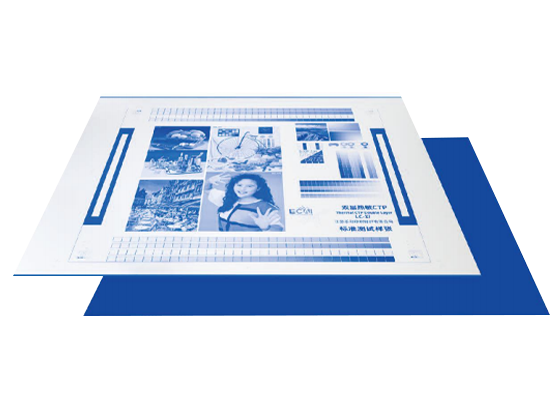
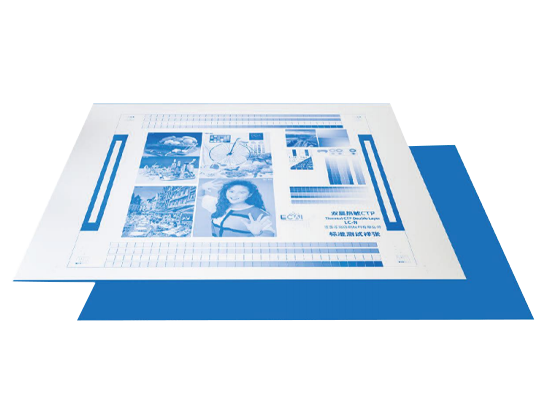
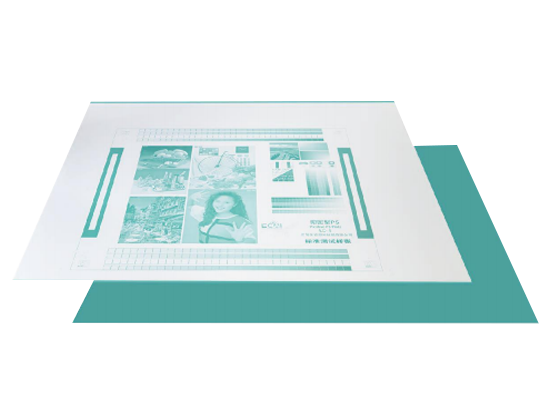
To fully appreciate the practical value of CTCP plates, one must understand the underlying technology and its evolution from traditional methods. The acronym CTCP stands for Computer to Conventional Plate. While often compared to CTP (Computer to Plate), there is a fundamental distinction in the imaging target and chemical compatibility.
Historically, the offset printing process relied heavily on a film-based workflow. An image was first output onto a physical film, which was then used to expose the printing plate through a contact process. This method was inherently flawed: it required substantial darkroom space, consumed vast amounts of chemical developers for both film and plates, and introduced quality degradation through light scattering during the contact exposure. The transition to digital plate imaging eliminated the film step, but early CTP systems required specialized plates with different chemical sensitivities, often incompatible with the UV inks favored in commercial packaging. CTCP emerged as the solution, using advanced laser technology to image conventional, UV-compatible plates directly from a digital file.
While both technologies bypass the film stage, their approach to plate imaging diverges significantly. Standard CTP relies on specific thermal or violet lasers that require specialized plate coatings. These specialized plates often demand different processing chemicals and are sometimes not optimized for the harsh solvents found in UV inks. In contrast, CTCP utilizes high-powered UV laser diodes or DUV (Deep Ultraviolet) imaging technology. This specific wavelength is designed to expose the standard, conventional positive or negative working plates that have been used in the industry for decades. Consequently, the plate surface is naturally hardened and highly resistant to UV ink solvents, making it inherently suited for high-quality commercial and packaging printing.
Implementing CTCP technology requires a precise, yet streamlined, technical workflow. Understanding each step is crucial for maximizing plate quality and press efficiency. The process removes the variability of manual film alignment while introducing digital precision at every stage.
The workflow begins in the prepress department. Digital files, typically in PDF format, are sent to a Raster Image Processor (RIP). The RIP performs several critical functions: it converts vector and text data into high-resolution bitmap images, applies specific screening algorithms (such as AM or FM screening), and manages color separations for Cyan, Magenta, Yellow, and Black (CMYK), as well as any spot colors. The RIP ensures that the digital data perfectly matches the press requirements and the plate's resolution capabilities.
Once the RIP processes the data, it sends the bitmap information to the CTCP platesetter. Inside the platesetter, a rotating drum holds the conventional plate while a series of UV laser diodes sweep across the surface. For a positive-working plate, the laser energy breaks down the exposed photo-sensitive coating, making it soluble in the developer. For a negative-working plate, the laser energy polymerizes the coating, hardening it. The precision of the laser optics ensures that dots are sharp, clean, and free of the light scatter associated with film-based exposure. This results in a highly accurate reproduction of the digital file onto the physical plate.
After imaging, the plate moves through an inline or offline processor. The developer washes away the unhardened coating (in the case of positive plates) or the unexposed coating (for negative plates), revealing the aluminum substrate that will accept water and repel ink. Because CTCP utilizes conventional plate substrates, their behavior on the printing press is identical to that of traditional plates. Printers do not need to adjust their fountain solutions, ink settings, or dampening systems. The plates offer excellent ink-water balance, quick startup, and consistent dot reproduction throughout the print run.
The decision to transition to a CTCP workflow is driven by a multitude of operational and economic benefits. These advantages address the most pressing pain points in traditional and early digital printing environments.
To make an informed investment, printing facilities must weigh the capabilities of CTCP against other prominent digital platemaking technologies. Each system has its own strengths depending on the intended application and existing infrastructure.
| Feature | CTCP | Thermal CTP | Violet CTP |
|---|---|---|---|
| Plate Type | Conventional | Specialized Thermal | Specialized Violet |
| UV Ink Resistance | Excellent | Moderate | Moderate |
| Processing Chemicals | Standard Alkaline | Specialized / Processless | Specialized |
| Imaging Environment | Bright Room Possible | Bright Room | Yellow Safe Light Required |
| Initial Plate Cost | Low | High | Medium |
As illustrated in the comparison, CTCP holds a distinct advantage in environments where UV ink is the primary medium and cost control on consumables is paramount. While thermal CTP may offer benefits in processless workflows, and violet CTP provides high imaging speeds, neither matches the sheer economic and chemical compatibility of using conventional plates in a UV-heavy printing operation.
The technical attributes of CTCP plates make them highly suitable for specific segments of the commercial printing market. Their robustness under UV exposure and ability to hold fine details render them indispensable in several key areas.
Packaging printing demands absolute precision and durability. Folding cartons, labels, and flexible packaging often utilize UV inks to achieve rapid drying times, high gloss, and superior scuff resistance. CTCP plates excel here because they do not degrade or chemically interact with the UV-cured inks. Furthermore, the fine dot reproduction allows packaging designers to incorporate intricate patterns, micro-text for security, and smooth vignettes that are essential for premium shelf appeal. The ability to hold a stable dot structure over long press runs ensures color consistency from the first box to the last.
In the production of glossy magazines, brochures, and high-end catalogs, the quality of image reproduction is the primary differentiator. CTCP technology allows commercial printers to achieve a high line screen ruling, resulting in photographic images that appear seamless to the naked eye. The rapid make-ready times also benefit this sector, as print runs for marketing materials frequently vary in length, requiring frequent plate changes and fast turnaround times to meet tight client deadlines.
Security printing for items such as certificates, tickets, and branded authentication labels requires the ability to print extremely fine line work and micro-text that cannot be easily replicated. The digital precision of the UV laser imaging on CTCP plates ensures that these microscopic details are transferred flawlessly from the design software to the printing substrate, maintaining the integrity of the security features.
While the benefits of CTCP are substantial, transitioning from a traditional or film-based workflow requires careful planning to avoid operational disruptions. Being aware of potential challenges allows facility managers to mitigate risks effectively.
Beyond the technical mechanics of imaging, CTCP technology exerts a profound influence on the overall economic health and environmental footprint of a printing operation. These broader impacts are often the driving force behind the capital investment.
The initial purchase of a CTCP platesetter represents a significant capital expenditure. However, the return on investment is typically realized rapidly through operational savings. By eliminating film, printers remove a continuous material cost. Furthermore, the reduction in make-ready time translates directly into increased press capacity; a press that spends less time setting up can produce more billable output per shift. The use of lower-cost conventional plates, as opposed to premium specialized digital plates, provides an ongoing, per-plate savings that compounds significantly over high-volume production months. Operational cost reductions can reach substantial percentages when factoring in eliminated film, reduced chemistry, and minimized paper waste during setup.
The printing industry has long faced scrutiny regarding its environmental impact. CTCP directly addresses several ecological concerns. The elimination of silver-bearing film removes a toxic waste stream from the prepress environment. Additionally, because conventional plate chemistry is well-understood and often less aggressive than specialized digital plate developers, the chemical load on wastewater treatment systems is reduced. The decrease in paper waste during press setup also contributes to forest conservation. By adopting CTCP, a printing facility not only lowers its operational costs but also strengthens its sustainability profile, which is increasingly demanded by environmentally conscious corporate clients.
As the printing industry continues to evolve amidst the rise of digital print alternatives, offset technologies must adapt to remain competitive. CTCP is not a static technology; it is advancing alongside broader industry trends.
Future developments in CTCP are heavily focused on automation and further ecological refinements. We are seeing the integration of automated plate loading and unloading systems that connect directly to inline processors and benders, creating a completely hands-free prepress workflow. This minimizes human error and allows for "lights-out" manufacturing during overnight shifts. Additionally, research into processless conventional plates—where the plate is imaged and goes directly to the press without any chemical development—is accelerating. While currently dominated by thermal technologies, adapting processless chemistry to the UV-imaging spectrum of CTCP represents the next major frontier, promising to eliminate the processor entirely while maintaining the beloved UV ink compatibility.
Ultimately, CTCP plates provide a vital lifeline for traditional offset printers navigating a digital world. By combining the reliability of conventional plates with the speed and precision of digital imaging, CTCP ensures that offset printing remains a highly viable, profitable, and high-quality medium for decades to come.
RELATED PRODUCTS
CONTACT US
KEEP IN TOUCH

Mobile QR code
Contact Information
No.77,Taisheng Road,Hailing District,Taizhou City,Jiangsu
+86 13961040488+86 19852223565
+86 523 86969522
Copyright © by Jiangsu Lecai Printing Materials Co., Ltd. Rights Reserved.Custom Digital Offset Printing Plates Manufacturers

 English
 Français
 Español
 Indonesia
 عربى
عربى