2025-12-15
With continuous technological advancements, the printing industry is constantly innovating, and many new printing technologies and processes have emerged. CTCP Double Layer printing (Continuous Thermo-Compression Process Double Layer), as an advanced printing process, is leading a new trend in printing technology, especially in markets with increasingly high demands for precision, environmental friendliness, and efficiency, demonstrating enormous potential.
CTCP double-layer printing technology is a process that uses continuous thermo-compression to heat and compress different materials or layers of ink and coatings under high temperature and pressure, achieving multi-layer structure printing. Its core advantage lies in its ability to precisely control the thickness and quality of each layer, resulting in a finer and more stable final printed image.
This process typically uses two layers of material. The first layer is the base material, commonly paper, plastic, or metal foil, and the second layer contains the fine printed patterns and content. The thermo-compression process ensures a stronger bond between the two layers, preventing peeling or detachment of the printed image during use. This double-layer structure not only enhances the durability and stability of the printed image but also provides additional functionality to the product, such as waterproofing, scratch resistance, and UV resistance.
Due to its excellent performance, CTCP double-layer printing technology has been widely applied in various industries, especially in areas with high demands for printing quality, durability, and environmental friendliness.
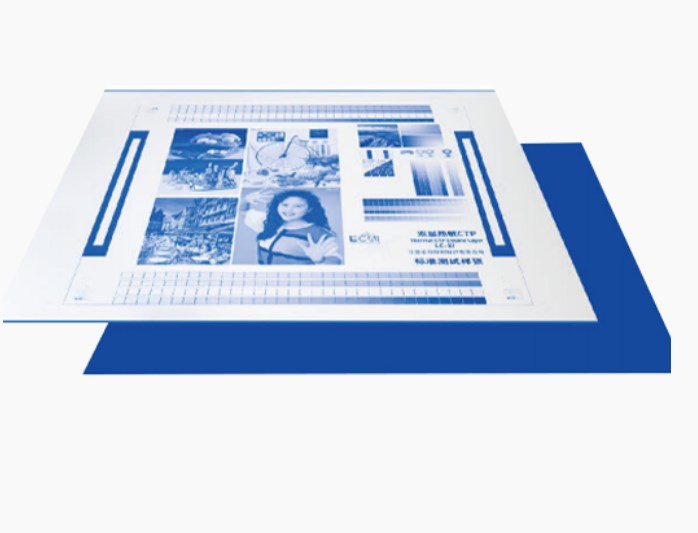
In high-end packaging, especially for luxury goods, cosmetics, food, and pharmaceuticals, CTCP double-layer printing technology plays an irreplaceable role. Through the application of a double-layer structure, product packaging is not only more aesthetically pleasing but also more functionally diverse. By adding anti-counterfeiting marks, QR codes, and other information, CTCP double-layer printing not only enhances the overall effect of the packaging but also strengthens consumer trust in the brand.
In the manufacturing process of electronic products, especially in the production of displays for mobile phones, tablets, and televisions, CTCP double-layer printing technology is widely used for screen protective films and circuit board printing. The double-layer printing method ensures the stability and durability of electronic components during long-term use. The CTCP process can also effectively enhance the product's UV resistance and improve the scratch and wear resistance of display screens.
In the automotive and aerospace sectors, CTCP double-layer printing technology is used to manufacture high-strength and high-temperature resistant surface coatings for components. Through the double-layer design, the printing process ensures that the product maintains excellent performance even in extreme environments. Especially in areas such as automotive dashboards, headlights, and aerospace components, CTCP technology provides extremely precise and durable printing results.
CTCP double-layer printing is also applied in the textile and garment printing industry, particularly in personalized customization and high-quality fabric printing. Through double-layer printing, the patterns and text on clothing and fabrics are not only more detailed and clear, but also have improved fade resistance and wear resistance.
Traditional printing processes often have limitations in detail processing, especially in applications requiring high precision. CTCP double-layer printing technology, by precisely controlling the hot pressing temperature and pressure, makes the printed patterns and text clearer and more delicate, while avoiding ink loss and deviations, thus greatly improving printing accuracy and stability.
Due to the double-layer structure, CTCP printed products perform better in terms of water resistance, wear resistance, and UV resistance. Especially in the production of packaging, electronic products, and outdoor goods, CTCP technology can improve product durability, extend its service life, and reduce damage caused by changes in the external environment.
Compared with traditional printing processes, CTCP double-layer printing technology focuses more on environmental protection and energy saving. During the production process, the CTCP process can reduce resource consumption and the emission of pollutants such as exhaust gas and wastewater, meeting the requirements of modern green manufacturing. By optimizing the process flow, CTCP double-layer printing can effectively reduce production costs while reducing the burden on the environment.
CTCP double-layer printing technology is particularly suitable for short-run and personalized customized production. Because it does not require complex printing plate production, users can quickly adjust the printing content according to their needs, meeting the market demand for personalized products. This makes CTCP technology show great application prospects in small-batch, high-precision production scenarios.
With the growing market demand for high-quality, personalized, and environmentally friendly products, CTCP double-layer printing technology will continue to develop and expand. In the future, with the further development of digital and intelligent technologies, the CTCP process will achieve greater breakthroughs in production efficiency and quality control. At the same time, with the emergence of new materials, the application fields of CTCP technology will be further expanded, covering more industries and becoming an important force driving innovation in the printing industry.
Compared to traditional printing, CTCP double-layer printing technology offers higher printing precision and greater durability, especially in high-end packaging and electronic products, effectively enhancing the stability of patterns and text and improving product functionality.
CTCP double-layer printing is widely used in high-end packaging, electronic products, automotive and aerospace industries, textiles and clothing, etc., and has unique advantages, especially in applications requiring high precision and durability.
CTCP double-layer printing technology focuses on environmental protection during the production process, effectively reducing resource consumption and pollution emissions, making it a technology that conforms to the trend of green manufacturing.
The main challenges facing CTCP double-layer printing are the high precision requirements of the equipment, material matching issues, and the complexity of the production process. How to improve production efficiency and automation levels is key to future technological development.
In the future, CTCP double-layer printing technology will further develop towards intelligence and digitalization. With the application of new materials and equipment, the production efficiency and quality control of CTCP technology will be further improved, and its application fields will continue to expand.
RELATED PRODUCTS
CONTACT US
KEEP IN TOUCH

Mobile QR code
Contact Information
No.77,Taisheng Road,Hailing District,Taizhou City,Jiangsu
+86 13961040488+86 19852223565
+86 523 86969522
Copyright © by Jiangsu Lecai Printing Materials Co., Ltd. Rights Reserved.Custom Digital Offset Printing Plates Manufacturers

 English
 Français
 Español
 Indonesia
 عربى
عربى