2025-12-08
In the modern printing industry, Computer-to-Plate (CTP) technology has become a key element in improving printing quality and efficiency. Within the entire CTP plate-making system, the CTP Developer plays a crucial role. As professional manufacturers, CTP Developer manufacturers not only provide high-performance developing equipment but also drive the upgrade and optimization of the entire printing and plate-making process through technological innovation.
The developing technology of the CTP Developer directly determines the image quality of the printing plate. High-performance CTP Developer manufacturers typically employ advanced developing systems that can achieve precise development of tiny dots, ensuring the integrity of surface details on the printing plate. The uniformity of chemical solution distribution, temperature stability, and the precision of mechanical transmission during the developing process are all critical factors affecting the plate-making effect. By optimizing these technical aspects, the CTP Developer can significantly improve printing resolution and image reproduction, enabling printed products to achieve higher levels of color performance and detail presentation.
Modern CTP Developer manufacturers continuously innovate in developing solution formulations and circulation system designs, achieving a dual improvement in developing efficiency and stability. Efficient developing circulation reduces surface contamination and chemical residue on the printing plate, thereby extending the plate's lifespan and reducing printing costs. This not only meets the quality demands of high-end printing but also enhances the environmental friendliness and sustainability of the production process.
As the printing industry's demands for efficiency and ease of operation continue to increase, CTP Developer manufacturers have invested significant R&D resources in equipment automation and intelligence. Modern CTP Developers typically feature intelligent control systems that can automatically adjust developing time, temperature, and chemical solution concentration, achieving full-process optimized control. Through intelligent monitoring, the equipment can real-time detect the developing solution status and plate surface quality, automatically adjusting operating parameters to ensure consistent and stable developing results for every plate.
Automated design not only reduces the workload of operators but also minimizes the impact of human error on plate-making quality. Especially in continuous high-load production environments, intelligent CTP Developers can maintain long-term stable operation, significantly improving production efficiency. This highly integrated technology demonstrates the profound strength of modern CTP Developer manufacturers in product development and manufacturing processes.
Environmental protection has become a crucial consideration for the global printing industry. High-quality CTP Developer manufacturers are increasingly prioritizing environmental protection and sustainable development in their design and manufacturing processes. By optimizing developer formulations, improving circulation systems, and reducing waste liquid emissions, modern CTP Developers reduce chemical consumption while minimizing negative environmental impact.
Energy-saving design is also a key technological direction for modern CTP Developers. Equipment optimizes heating systems and reduces energy consumption while maintaining development efficiency and plate quality. This dual optimization of environmental protection and energy saving allows CTP Developers to not only meet industry production needs but also align with companies' long-term sustainable development plans.
CTP Developer manufacturers also pursue ultimate performance in material selection and mechanical structure design. High-precision mechanical components, corrosion-resistant materials, and high-strength structural design ensure the equipment maintains stability and reliability during long-term operation. At the same time, the core components of the developing system use wear-resistant and chemically resistant materials, ensuring the equipment maintains stable operation under high-load production conditions.
The optimization of materials and structures not only extends the equipment's lifespan but also reduces maintenance frequency and repair costs. This is undoubtedly an important guarantee for printing companies to improve production continuity and reduce operating costs. Through precision manufacturing and innovative material applications, CTP Developer manufacturers achieve high performance and long lifespan, becoming an indispensable technical support in the printing plate-making field.
Professional CTP Developer manufacturers not only provide high-performance equipment but also ensure customers receive the best experience through a comprehensive technical service system. Equipment installation, commissioning, operation training, and subsequent maintenance are all important components of the company's technical support. Through comprehensive services, manufacturers can help customers optimize the plate-making process, improve equipment utilization, and increase production efficiency.
Continuous technological updates and product upgrades are also important means for CTP Developer manufacturers to maintain competitiveness. By continuously introducing new development technologies, material improvements, and intelligent control systems, manufacturers can meet the ever-changing production needs of printing companies and provide long-term value guarantees for their customers.
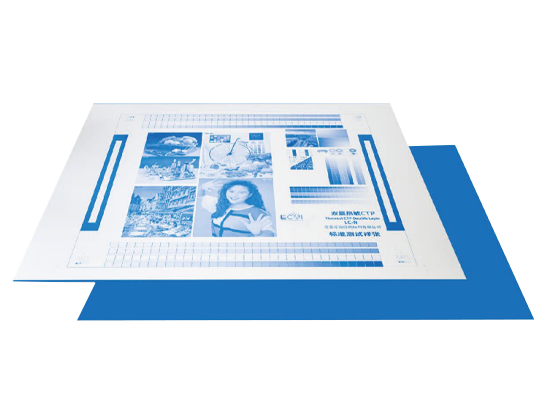
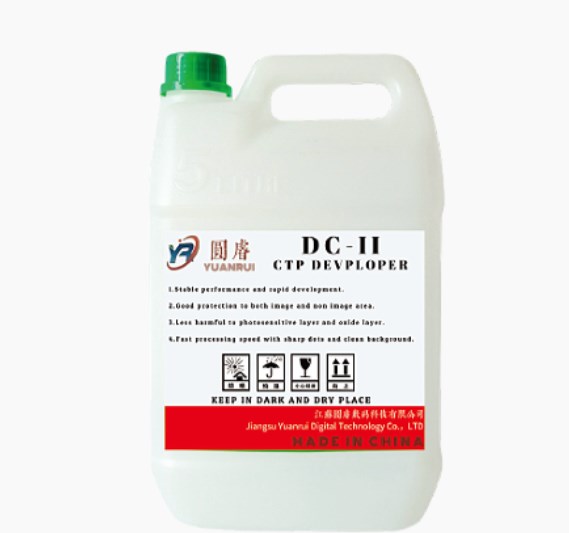
A CTP Developer is primarily responsible for developing CTP plates. Through chemical liquids and mechanical processing, it develops the image after laser exposure, providing high-precision, high-quality plates for printing.
The developing process directly affects the dot accuracy, color reproduction, and image detail of the printing plate. High-performance developing equipment can improve printing resolution and consistency, ensuring high-quality finished products.
Automated and intelligent control reduces human error, improves production efficiency, ensures consistent and stable plate development results, and reduces operational complexity.
Modern CTP developers achieve efficient utilization of chemical solutions and energy through optimized developer circulation systems, reduced waste liquid discharge, and energy-saving designs, meeting the requirements of sustainable development.
The main considerations should be the precision of the developing technology, the level of automation, equipment reliability, material durability, and after-sales service system. These factors directly determine the performance and production stability of the equipment.
CONTACT US
KEEP IN TOUCH

Mobile QR code
Contact Information
No.77,Taisheng Road,Hailing District,Taizhou City,Jiangsu
+86 13961040488+86 19852223565
+86 523 86969522
Copyright © by Jiangsu Lecai Printing Materials Co., Ltd. Rights Reserved.Custom Digital Offset Printing Plates Manufacturers

 English
 Français
 Español
 Indonesia
 عربى
عربى