2026-07-22
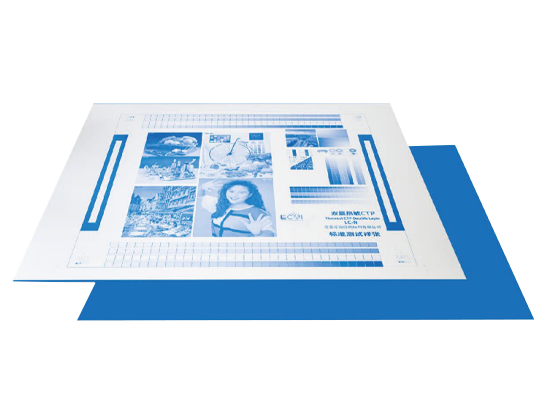
The printing plate stands as the indispensable medium in the lithographic and flexographic printing processes, serving as the primary vehicle for transferring images and text onto various substrates. Without a high-quality plate, the precision, clarity, and consistency required in modern commercial printing would be impossible to achieve. It acts as the defining interface between the printing press and the final product, determining the fidelity of every dot, line, and color separation.
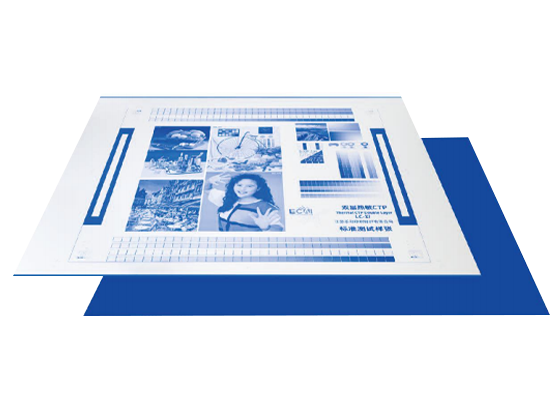
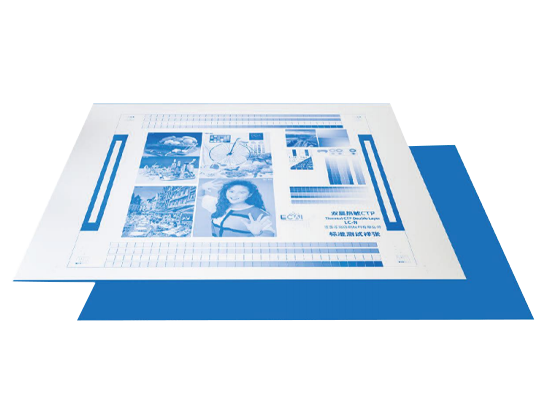
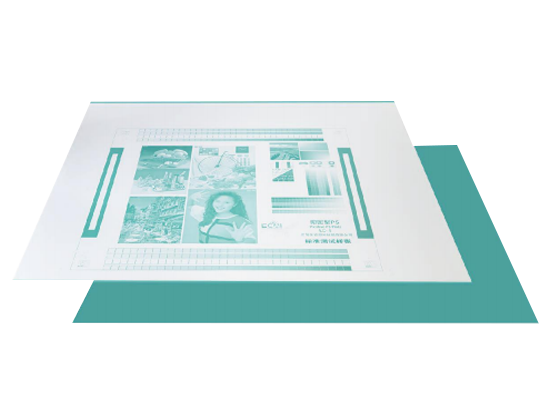
Fundamentally, a printing plate functions by possessing distinct surface properties: one area attracts ink (the image area) while the surrounding area repels ink (the non-image area). In offset lithography, this relies on the principle that oil and water do not mix. The image area becomes ink-receptive, while the non-image area becomes water-receptive. This simple yet profound physical interaction allows for high-speed, high-volume reproduction of everything from newspapers to fine art reproductions. The evolution from manual plate making to modern computer-to-plate (CTP) technology has revolutionized the industry, removing intermediate steps and drastically improving registration accuracy.
Understanding the physical composition of a printing plate is essential for comprehending its performance characteristics. Most modern plates are constructed on a substrate, typically made of aluminum for offset printing or polyester/specialized polymers for flexography. This base material provides the necessary mechanical strength and stability to withstand the immense pressures and tensions within a printing press.
A typical lithographic plate consists of several distinct layers working in unison. The base layer provides structural integrity. Above this lies a grained layer, which is electrochemically treated to ensure proper adhesion of the subsequent coatings and to maintain a uniform water-carrying surface. The most critical component is the photosensitive coating, which reacts to specific wavelengths of light (usually violet or infrared) to create the image. In negative-working plates, exposed areas harden to accept ink; in positive-working plates, exposed areas dissolve during processing.
The diversity in printing plates reflects the wide array of printing needs in the global market. Different printing techniques demand specific plate properties regarding hardness, flexibility, and surface texture.
| Plate Type | Primary Material | Key Application | Durability |
| Thermal CTP | Aluminum / Polymer | Commercial Offset | High (>500k sheets) |
| Photopolymer | Elastomeric Resin | Flexographic Packaging | Medium |
| Violet Silver | Silver Halide | Newspapers / Books | Standard |
| Gravure Cylinder | Steel / Copper | High-Volume Packaging | Extremely High |
These are the workhorses of the commercial printing world. Relying on the planographic principle (image and non-image areas on the same plane), these plates are predominantly aluminum-based. They are favored for their ability to render extremely high resolutions, often capable of achieving line screens of over 300 lines per inch (LPI). This makes them ideal for art books, high-end magazines, and corporate brochures where detail is paramount.
Unlike the flat surface of offset plates, flexographic plates feature a raised relief image area. These are typically made from liquid or sheet photopolymer. The raised surface allows the plate to print on a vast variety of non-porous substrates, such as plastic films, metallic foils, and corrugated cardboard. The flexibility of the plate material allows it to conform to the contours of packaging materials, making it the dominant technology for flexible packaging and labels.
While technically a cylinder rather than a flat plate, the gravure cylinder functions on an intaglio principle where the image area is etched or engraved below the surface. These cells carry the ink which is transferred directly to the substrate. Gravure is characterized by its ability to maintain consistent color density over massive print runs, often in the millions of copies, making it the preferred choice for high-circulation catalogs and long-run packaging.
The creation of a printing plate has undergone a radical transformation over the last two decades. The transition from analog (film-based) workflows to digital Computer-To-Plate (CTP) technology has streamlined production and reduced error margins significantly.
The process begins with a digital file. A laser diode inside a platesetter writes the image directly onto the plate's sensitive coating. This step eliminates the need for film intermediates, ensuring that the dot structure on the plate is identical to the digital file. Resolution is controlled precisely, allowing for stochastic screening and high-fidelity color reproduction.
After exposure, the plate undergoes processing. Traditional plates require chemical development to wash away unexposed material. However, processless plates are gaining traction; these plates are stable immediately after laser exposure and only require a simple gumming step or can go directly to press, significantly reducing environmental impact and chemistry costs.
The lifespan of a printing plate is not infinite. It is subject to wear and tear from mechanical friction, chemical interactions, and operator handling. Understanding these factors is crucial for cost control and print consistency in a production environment.
Proper handling can extend the usable life of a printing plate and ensure that it can be stored and reused for reprint jobs. Many commercial printers reuse plates for repeat orders to save costs, making storage protocols vital.
Plates should be cleaned thoroughly immediately after coming off the press. Residual ink can harden and become difficult to remove, eventually causing permanent staining. Once cleaned, the plate should be coated with a preservative gum to protect the non-image areas from oxidation. Storage should be in a cool, dry, dark environment; ultraviolet light can degrade the photosensitive layers over time.
Operators must handle plates with care to prevent physical damage. Scratches on the plate surface are fatal flaws; once the image layer is scratched, it cannot be repaired and will result in a white line or void in the printed image. Bending the plate should be avoided to maintain registration holes alignment.
The industry is moving rapidly towards sustainability and efficiency. The development of process-free plates represents a major leap forward, eliminating the need for processing equipment, water, and chemicals. This not only reduces the carbon footprint of a print shop but also saves space and labor.
Furthermore, advancements in nanoparticle coatings are improving the sensitivity of plates. This allows for faster imaging speeds in CTP devices, boosting overall throughput in high-volume production facilities. As digital printing technologies evolve, traditional printing plates are adapting by offering higher resolution and finer screening capabilities to compete with the quality standards set by digital counterparts.
CONTACT US
KEEP IN TOUCH

Mobile QR code
Contact Information
No.77,Taisheng Road,Hailing District,Taizhou City,Jiangsu
+86 13961040488+86 19852223565
+86 523 86969522
Copyright © by Jiangsu Lecai Printing Materials Co., Ltd. Rights Reserved.Custom Digital Offset Printing Plates Manufacturers

 English
 Français
 Español
 Indonesia
 عربى
عربى