 English
 Français
 Español
 Indonesia
 عربى
عربى

The Essential Takeaway
CTP plates represent one of the most significant technological advancements in the printing industry, completely transforming the traditional plate-making process by eliminating intermediate steps. Unlike conventional methods that require film output and manual exposure, CTP technology enables direct digital imaging onto printing plates, resulting in faster turnaround times, superior image quality, and reduced material waste. For printing businesses seeking to enhance productivity and remain competitive in today's demanding market, understanding and implementing CTP plate technology is no longer optional but essential.
"The transition to CTP technology has reduced plate-making time by approximately 50-70% compared to traditional film-based workflows, while simultaneously improving registration accuracy and tonal reproduction."
Understanding CTP Plate Fundamentals
A CTP plate, or Computer-to-Plate system, serves as the cornerstone of modern digital prepress technology. The fundamental principle involves transferring digital image data directly from a computer to a printing plate without requiring any intermediate film or manual processing steps. This direct imaging approach represents a paradigm shift from conventional workflows, where creating printing plates involved multiple stages including film output, stripping, and contact exposure through film.
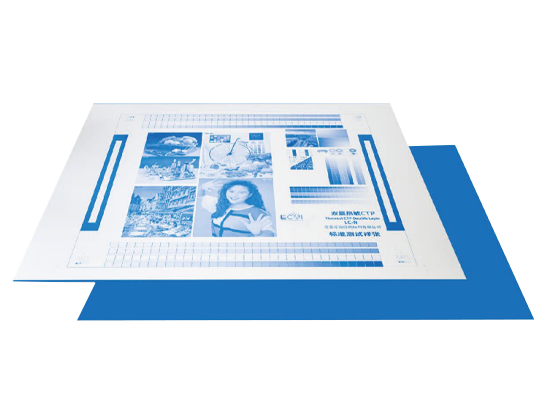
The plate itself consists of a specialized photosensitive or heat-sensitive coating applied to an aluminum base. This coating reacts to specific wavelengths of light or thermal energy emitted by laser diodes within the CTP recorder. Upon exposure, the coating undergoes chemical or physical changes that ultimately define the image areas that will accept ink during the printing process. The aluminum substrate provides the necessary dimensional stability and durability required for high-speed press operations.
Direct Digital Workflow
Eliminates film processing entirely, reducing environmental impact and chemical waste while streamlining production schedules.
Enhanced Image Quality
Delivers sharper halftone dots, better tonal gradation, and improved fine detail reproduction compared to film-based methods.
Superior Registration
Achieves precise multi-color alignment through automated laser positioning, eliminating human error from manual stripping.
Primary CTP Plate Categories
The printing industry utilizes several distinct types of CTP plates, each engineered for specific imaging technologies and application requirements. Understanding these categories helps printers select the most appropriate solution for their particular workflow and output needs.
Thermal Versus Photopolymer: A Critical Comparison
Among the various CTP plate options available, thermal and photopolymer plates dominate the commercial printing market, each offering distinct advantages depending on operational priorities and application requirements. Making an informed choice between these technologies requires understanding their fundamental differences in imaging mechanism, operational characteristics, and total cost implications.
Thermal CTP Plate Characteristics
Thermal plates utilize infrared laser energy to create image patterns through heat-induced changes in the coating layer. The laser diodes operating at approximately 830 nanometers deliver concentrated energy that either removes coating material (ablative process) or renders specific areas soluble or insoluble depending on the plate design. This thermal imaging approach offers several operational advantages that make it particularly suitable for certain production environments.
- Daylight Handling: Can be processed under normal room lighting conditions without risk of unintended exposure, simplifying workflow logistics
- Extended Shelf Stability: Maintains consistent performance for 18-24 months when stored properly, reducing inventory management concerns
- Sharper Dot Reproduction: Produces extremely well-defined halftone dots with minimal dot gain, essential for high-quality commercial work
- Process-Free Options: Available in configurations requiring no chemical processing, significantly reducing environmental impact
Photopolymer CTP Plate Characteristics
Photopolymer plates employ violet laser technology at approximately 405 nanometers to expose a photosensitive polymer coating. Upon exposure, the coating undergoes photochemical reactions that create cross-linking in image areas, rendering them insoluble during subsequent development. This technology has gained substantial market presence due to its speed advantages and typically lower equipment investment.
- Higher Imaging Sensitivity: Requires less laser energy per unit area, enabling faster plate recording speeds and higher throughput
- Lower Capital Investment: Equipment costs generally fall below thermal alternatives, reducing initial implementation barriers
- Excellent Run Length: Delivers substantial impression capabilities suitable for medium to long print runs
- Wide Application Range: Performs effectively across commercial, newspaper, and packaging printing segments
Key Decision Factor: Operations prioritizing image quality and environmental considerations typically favor thermal technology, while those emphasizing speed and initial cost efficiency often select photopolymer solutions. Many successful printing operations maintain both technologies to optimize different job types.
The CTP Imaging Process Explained
Understanding how CTP plates function within the complete imaging workflow provides essential context for equipment selection and operational optimization. The process encompasses several interconnected stages, each contributing to final output quality and production efficiency.
File Preparation
Digital files are optimized, color-managed, and rasterized for plate imaging
Laser Exposure
Plate coating is selectively modified by precision laser scanning
Development
Non-image areas are removed through chemical or mechanical action
Finishing
Plates are gummed, inspected, and prepared for press mounting
The laser exposure stage represents the core imaging operation where digital data translates into physical plate patterns. Modern CTP devices employ multiple laser channels operating simultaneously to achieve practical recording speeds. The laser energy delivered to each microscopic point on the plate must be precisely controlled to ensure consistent dot formation across the entire imaging area.
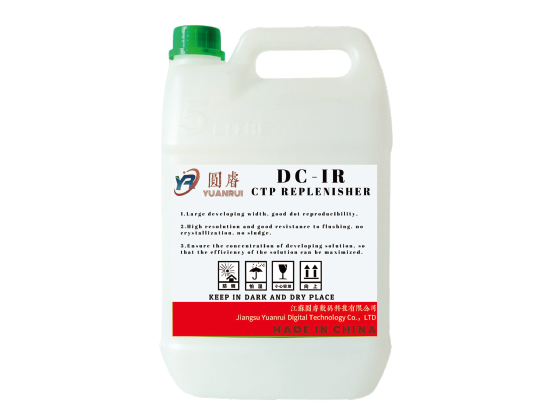
Following exposure, plates undergo development where the coating in non-image areas is removed to expose the aluminum surface beneath. This exposed aluminum will carry water during printing, while remaining coating areas will accept ink. Development chemistry varies by plate type, with some systems requiring conventional alkaline developers and others utilizing gum-based processing solutions.
Application Scenarios Across Printing Segments
CTP technology has become integral to virtually every segment of the printing industry, though specific requirements and plate selections vary considerably based on application characteristics and quality demands.
Commercial Printing Operations
Commercial printers represent the largest user base for CTP technology, producing diverse materials ranging from corporate brochures and annual reports to marketing collateral and promotional packaging. These operations typically prioritize consistent color reproduction and excellent image detail, making thermal plates particularly popular despite their higher per-plate cost. The ability to maintain stable color characteristics across multiple press runs proves essential for brand consistency requirements common in commercial work.
Newspaper and Publication Printing
Newspaper operations face unique challenges including extremely tight deadlines, high-volume output requirements, and cost pressures that differ substantially from commercial printing environments. These factors favor photopolymer technology for its speed advantages and lower consumable costs. Many newspaper plants operate CTP devices continuously throughout production cycles, requiring plates that maintain consistent performance during extended runs while delivering acceptable quality on newsprint substrates.
Packaging and Label Production
The packaging segment presents some of the most demanding quality requirements in the printing industry, often requiring extremely fine line work, solid color areas, and precise registration for multiple passes. CTP plates for packaging applications must deliver exceptional solid ink density and minimal dot gain to reproduce both subtle vignettes and bold graphics on various substrate types. Extended run lengths common in packaging production also necessitate plates capable of delivering hundreds of thousands of impressions without degradation.
Selection Criteria for Optimal Results
Choosing appropriate CTP plates requires systematic evaluation of multiple operational factors rather than simply selecting based on initial purchase price. A comprehensive assessment approach ensures alignment between plate characteristics and production requirements.
Essential Evaluation Factors
Run Length Requirements: Match plate durability specifications to typical job sizes. Selecting plates with insufficient run capability leads to mid-job plate failures and costly reprints.
Resolution Needs: Different plate types offer varying resolution capabilities. Fine line work and halftone reproduction require higher-resolution plates than simple text-based work.
Processing Infrastructure: Evaluate available processing equipment and chemical handling capabilities. Some facilities lack resources for chemical processing, favoring process-free alternatives.
Volume Throughput: High-volume operations benefit from faster-imaging plates despite potentially higher per-unit costs, as labor and equipment utilization savings offset material expenses.
Beyond technical specifications, successful CTP implementation requires considering total operational costs including equipment, consumables, maintenance, waste disposal, and labor. A plate with lower purchase price may generate higher total costs if it requires more frequent replacement, causes production delays, or demands specialized handling procedures.
Proper Storage and Handling Practices
Maintaining CTP plate performance requires adherence to proper storage and handling protocols that preserve coating integrity and ensure consistent imaging results throughout the plate shelf life.
- Temperature Control: Store plates in environments maintained between 18-24 degrees Celsius. Extreme temperature fluctuations can cause coating instability and reduced performance.
- Humidity Management: Maintain relative humidity between 40-60 percent. Excessive moisture promotes coating degradation, while overly dry conditions may cause static-related handling difficulties.
- Light Protection: Even daylight-safe plates benefit from minimal light exposure during storage. Photopolymer plates require particularly stringent light protection measures.
- Vertical Storage: Store plates vertically rather than stacked horizontally to prevent pressure marks and coating damage from weight distribution.
- FIFO Rotation: Implement first-in-first-out inventory rotation to ensure older stock is consumed before newly received plates.
Environmental Considerations and Future Trends
Environmental responsibility has become increasingly important in printing operations, driving development of more sustainable CTP plate technologies. The industry has responded with innovations that reduce or eliminate chemical processing requirements while maintaining output quality.
Sustainability Developments
Process-free CTP plates represent the most significant environmental advancement, eliminating chemical developers entirely. These plates are imaged conventionally but require no processing before mounting on press. The ink-receptive image areas develop through interaction with press fountain solution during initial impressions.
Additional environmental improvements include reduced-silver coatings, biodegradable processing solutions, and aluminum substrate recycling programs. Many plate suppliers now offer comprehensive recycling services that recover aluminum for reuse while properly disposing of coating materials.
Looking ahead, CTP technology continues evolving toward higher resolution imaging, faster recording speeds, and expanded substrate compatibility. Emerging developments include UV laser imaging systems offering alternative wavelength options and continued refinement of process-free technologies. The fundamental advantage of direct digital plate production ensures CTP technology will remain central to printing operations for the foreseeable future.
Concluding Perspective
CTP plates have fundamentally transformed printing prepress operations, delivering measurable improvements in quality, efficiency, and environmental impact compared to film-based workflows. The technology continues advancing with developments in processing-free systems, enhanced resolution capabilities, and expanded application ranges. For printing operations of all sizes, understanding CTP plate characteristics and selection criteria enables informed decisions that optimize both production efficiency and output quality.
Successful implementation requires matching plate specifications to specific operational requirements while considering total cost of ownership rather than purchase price alone. Proper storage and handling practices preserve plate performance throughout shelf life, ensuring consistent results from first sheet to last. As environmental considerations grow in importance, process-free and reduced-chemistry options provide sustainable alternatives without sacrificing output quality.