 English
 Français
 Español
 Indonesia
 عربى
عربى

Superior Performance and Durability
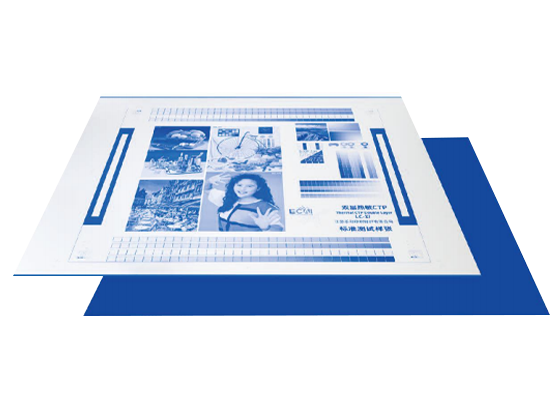
The CTP Double Layer Plate represents a significant advancement in prepress technology, offering a robust solution for high-quality offset printing. Unlike standard single-layer alternatives, this plate structure is specifically engineered to withstand the rigorous demands of long-run printing jobs while maintaining exceptional image sharpness. The core conclusion is that by integrating a specialized intermediate layer between the aluminum substrate and the photopolymer coating, these plates achieve a higher degree of adhesion and chemical resistance, resulting in a dramatic increase in print run length and reduced downtime for plate changes.
In-depth Structural Analysis
To fully appreciate the utility of this technology, one must understand the engineering behind the plate construction. The term "double layer" refers not just to the final coating, but to a specific stratification strategy designed to optimize performance.
The Aluminum Substrate Foundation
At the base lies the aluminum sheet, typically subjected to graining and anodizing processes. This creates a hydrophilic surface that holds water effectively during the printing process. The quality of this substrate is crucial as it determines the dimensional stability of the plate.
The Critical Intermediate Layer
This is the defining feature of the double layer design. Positioned directly above the aluminum substrate, this layer acts as a bonding agent. Its primary function is to enhance the adhesion of the top imaging layer. Without this intermediate film, the rigorous mechanical friction and chemical solvents encountered during long printing runs could cause the image areas to detach. This layer effectively bridges the gap between the metal base and the sensitive top coat, ensuring superior structural integrity.
The Photopolymer Imaging Layer
The topmost layer is the photosensitive coating that reacts to the laser energy from the CTP platesetter. In double layer plates, this coating is often optimized for high sensitivity and fine resolution. Because the intermediate layer handles the adhesion requirements, the top layer can be formulated purely for imaging quality, allowing for sharper dot reproduction and better tonal range.
Key Advantages in Practical Application
The adoption of this plate technology brings several tangible benefits to the printing press room, directly impacting productivity and cost-efficiency.
- Extended Run Lengths: This is the most significant advantage. The reinforced adhesion provided by the double layer structure allows plates to perform reliably for hundreds of thousands of impressions. Some untreated versions can exceed 200,000 impressions, while baked versions can reach upwards of one million, making them ideal for packaging and high-volume commercial work.
- Enhanced Chemical Resistance: The dual structure provides a robust barrier against press room chemicals, such as fountain solutions and alcohol substitutes. This resistance prevents the degradation of image areas during the print run.
- Improved Dot Sharpness: The stability offered by the underlying layer ensures that the halftone dots on the surface remain firmly anchored. This results in consistent dot gain curves and better prediction of final print results compared to standard plates.
- UV Ink Compatibility: The composition is naturally compatible with UV inks, which can be aggressive towards standard coatings. The intermediate layer acts as a shield, preventing ink components from undermining the image.
Comparing Single Layer and Double Layer Configurations
Understanding the differences helps in selecting the right material for specific job requirements. While both types use similar imaging principles, their performance profiles differ significantly.
| Feature | Single Layer Plate | Double Layer Plate |
|---|---|---|
| Adhesion Mechanism | Direct coating to substrate | Intermediate bonding layer |
| Typical Run Length | Moderate (up to 100,000) | High (200,000 to 1,000,000+) |
| UV Ink Suitability | Often requires special treatment | Naturally compatible |
| Processing Complexity | Standard processing | Standard to slightly longer processing |
Technical Workflow and Processing
The processing of a CTP double layer plate follows a sequence that ensures the removal of non-image areas while preserving the structured image parts.
- Exposure: The plate is loaded into the CTP device. A laser beam exposes the image areas, causing a photochemical reaction that changes the solubility of the photopolymer.
- Pre-wash (Optional): Some processors include a pre-wash to remove the protective top layer if present, though many modern plates are non-ablative.
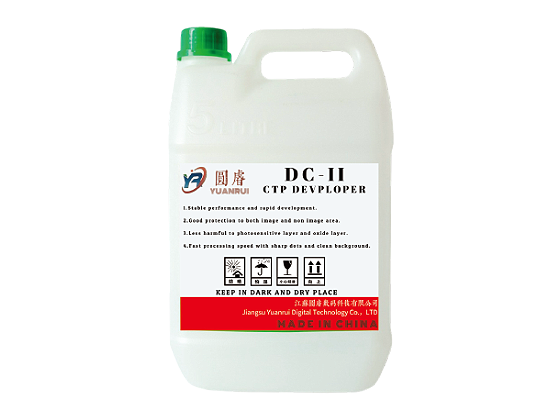
- Development: The plate passes through a developing section. The developer dissolves the unexposed areas, revealing the aluminum substrate. Crucially, the developer must penetrate the top layer and reach the intermediate layer to clear the non-image areas effectively.
- Rinsing and Gumming: The plate is rinsed to remove developer residue and then gummed to protect the non-image aluminum surface from oxidation.
- Baking (Optional): For maximum durability, plates can be baked. The double layer structure is essential here, as it allows the plate to withstand the high temperatures of the baking oven without delaminating.
Strategic Application Scenarios
While these plates offer high performance, they are best deployed in scenarios that justify their use. Using them for short-run jobs might not be cost-effective, but for specific applications, they are indispensable.
High-Volume Commercial Printing
For publications like magazines, catalogs, and directories where run lengths can easily exceed 100,000 copies, the reliability of a double layer plate prevents the need for plate changes mid-run. This saves significant press time and reduces paper waste.
Packaging and Label Production
Packaging often involves the use of abrasive substrates like Kraft paper or board, as well as aggressive UV-cured inks. The robust nature of the double layer construction resists the wear caused by rough substrates, ensuring that the solid colors and fine details common in packaging remain consistent throughout the production process.
Specialty Metal Decorating
In metal decoration for cans and packaging, the curing processes involve high temperatures and tough varnishes. The thermal stability provided by the intermediate layer makes these plates a preferred choice for such demanding applications.