2026-02-01
As the printing industry continues to evolve, the demand for more efficient and environmentally friendly printing solutions is increasing. Among the innovative technologies that have gained popularity in recent years is the Processless Plate. This revolutionary product eliminates the need for traditional chemical processing, which not only streamlines the production process but also supports sustainability efforts. In this article, we will explore the key advantages of using Processless Plate in high-quality printing applications, with a focus on its impact on cost efficiency, environmental benefits, and overall print quality.
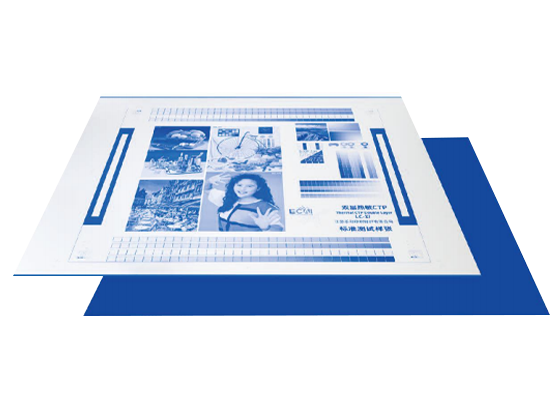
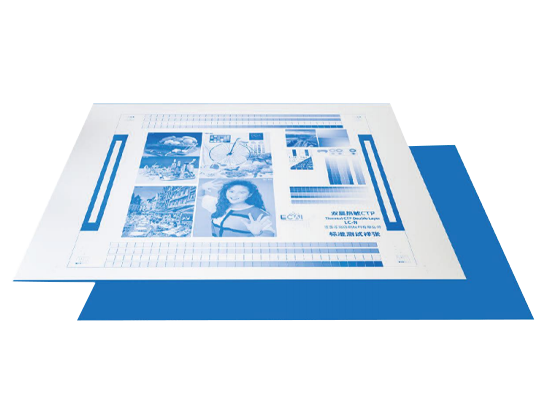
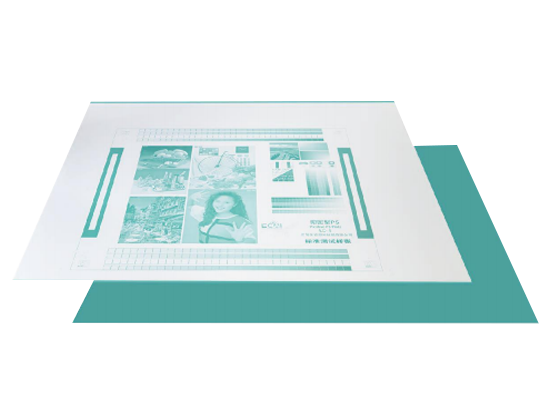
A Processless Plate is a printing plate that does not require chemical processing or water wash after it is exposed. Unlike traditional printing plates, which need a series of chemical treatments (such as developer and fixer) to prepare them for printing, Processless Plates are ready to use directly after exposure to UV light. This eliminates the need for both the chemicals and the water used in traditional plate processing.
Technological advancements have made it possible to create Processless Plates that are more efficient and environmentally friendly. These plates use advanced coating technologies and special surface treatments that allow the image to be developed without the use of additional chemicals. They offer a faster turnaround time and greater reliability compared to conventional plates.
Processless Plates have demonstrated excellent performance in applications that demand high precision and fine details. This makes them ideal for producing high-quality printed materials such as books, catalogs, and art prints. Their ability to maintain sharp images and vibrant colors is a critical factor in delivering exceptional results for these applications.
The integration of Processless Plate technology into digital printing systems has enabled the production of high-quality, high-speed prints. Unlike traditional methods, digital printing does not require the extensive setup and long lead times that come with offset printing. The use of Processless Plate technology in digital presses helps reduce waste and accelerates turnaround times without compromising on print quality.
One of the key benefits of using a Processless Plate is the significant reduction in chemical usage. Traditional printing plates require various chemicals for processing, which can be harmful to the environment. With Processless Plate, the need for these chemicals is completely eliminated, resulting in a cleaner, greener printing process.
Processless Plates are designed to be more energy-efficient during production. By eliminating the need for chemical baths and wash processes, the overall energy consumption is reduced, leading to lower production costs and a smaller carbon footprint. This aligns with the growing trend of sustainability in the printing industry.
The adoption of Processless Plates can result in significant cost savings for printing businesses. By eliminating the need for costly chemicals, water, and manual labor for plate processing, companies can reduce their operational expenses. Furthermore, the ability to quickly produce plates without chemical delays allows businesses to take on more jobs, increasing their overall revenue.
One often-overlooked benefit of Processless Plates is their durability. These plates are designed to last longer, reducing the need for frequent replacements. This can lead to further savings in material costs over time. Proper maintenance and care can significantly extend the lifespan of the plate, making it a more cost-effective option in the long run.
Processless Plates allow for a smoother production process with less downtime for plate preparation. Without the need for chemical processing or water washing, print shops can achieve faster turnarounds and more efficient workflows. This improvement in production flow is especially beneficial for companies with high-volume printing needs.
When selecting a Processless Plate for your business, it's important to consider the specific demands of your print jobs. Factors such as image complexity, print speed, and the type of material being printed on can influence your choice. For example, high-quality photographic prints require plates that can reproduce fine details accurately.
Another consideration when choosing a Processless Plate is its durability and maintenance requirements. Some plates may offer longer lifespans and fewer maintenance needs than others. It's essential to evaluate the plate's compatibility with your production process and how often it needs to be replaced or maintained.
Proper care can extend the lifespan of your Processless Plate and improve the consistency of your print quality. Keeping the plates free from contaminants and storing them properly can prevent damage and wear. Regular inspection for signs of deterioration, such as fading or scratches, is also recommended.
While Processless Plates are generally low-maintenance, occasional issues can arise. Common problems include uneven ink distribution or issues with plate exposure. Knowing how to identify and address these issues quickly can help maintain optimal print quality.
In conclusion, Processless Plates offer significant advantages in high-quality printing applications. Their environmental benefits, cost savings, and enhanced print quality make them an attractive option for many printing businesses. By choosing the right Processless Plate and maintaining it properly, companies can improve both their production efficiency and sustainability efforts.
CONTACT US
KEEP IN TOUCH

Mobile QR code
Contact Information
No.77,Taisheng Road,Hailing District,Taizhou City,Jiangsu
+86 13961040488+86 19852223565
+86 523 86969522
Copyright © by Jiangsu Lecai Printing Materials Co., Ltd. Rights Reserved.Custom Digital Offset Printing Plates Manufacturers

 English
 Français
 Español
 Indonesia
 عربى
عربى