2026-10-09
Ask a prepress manager what still surprises them about positive CTCP plates and you tend to get the same answer: how much of the final result depends on discipline rather than on the plate itself. CTCP stands for computer-to-conventional-plate. A UV-sensitive, positive-working coating is imaged directly by a laser platesetter and then developed in chemistry most printing houses already know. There is no film and no vacuum frame, but there is also no free lunch. The plate rewards good process control and it exposes every shortcut.
We are Jiangsu Yuanrui Digital Technology, a printing plate manufacturer working alongside Jiangsu Lecai Printing Material. Our LECAI-branded positive CTCP plates leave our lines in single-layer and double-layer formats and reach printers in more than fifty countries. If you want the short version of our background, it is this: we have been manufacturing plates since 2009, and most of what we know came from printers telling us honestly what went wrong. This guide is the conversation we would have if you were sitting across the table from us.
In a positive-working coating, light makes the coating soluble. The laser therefore writes the areas that will later be washed away, meaning the non-image areas, while the image itself is protected by coating that was never exposed. Development strips the exposed coating and leaves the grained, anodized aluminum surface open to hold water. The result is the familiar offset logic: ink on the image, water on the background.
Three practical consequences follow from that principle.
That combination of digital imaging with familiar chemistry is exactly why CTCP still makes sense for printers who want the accuracy of computer-to-plate without rebuilding the whole prepress department.
Both formats are positive-working and both are imaged the same way. The difference lies in the coating structure on the aluminum. A single-layer plate carries one photosensitive layer directly on the grained substrate. A double-layer plate adds a separate underlayer beneath the photosensitive layer, and that underlayer changes how the plate behaves through exposure, development and printing.
| Consideration | Single Layer | Double Layer |
|---|---|---|
| Coating structure | One photosensitive layer on grained aluminum | Photosensitive layer plus a distinct underlayer |
| Exposure latitude | Narrower, exposure must be tightly controlled | Wider, more forgiving across shifts |
| Dot reproduction | Good for standard commercial work | Finer highlight dots, sharper midtones |
| Development window | Needs disciplined chemistry control | Tolerates small developer variations |
| Typical application | General commercial printing, moderate runs | Demanding color, packaging, longer runs |
| Cost position | Lower cost per square meter | Higher cost, offset by fewer remakes |
Our own rule of thumb is simple. If your work is general commercial printing with moderate run lengths and your chemistry is under control, single layer is the economical choice. If you print demanding color, packaging or label work where one missing highlight dot or a slightly scummed background becomes a customer complaint, the double layer usually pays for itself in fewer remakes.
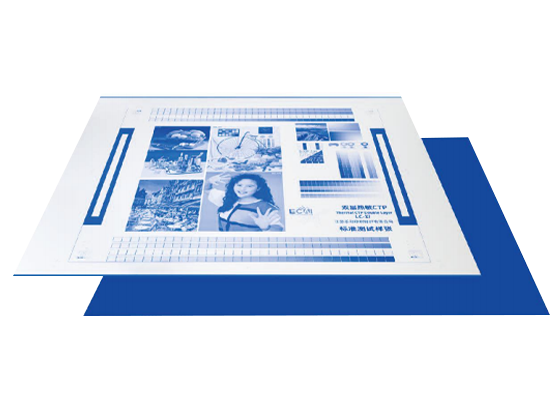
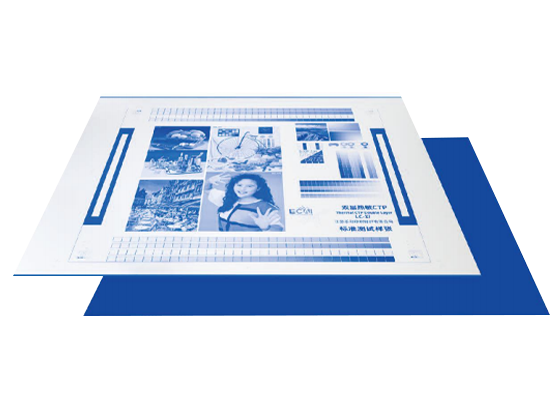
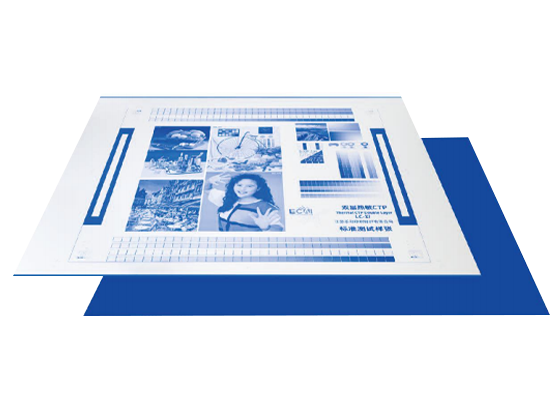 LC-VILecai Positive CTCP plates are made for UV ink. It is compatible with ordinary ink. When using ordinary ink, the run-length of plates will be doubled. It is use for hi...View Product →
The strongest fit is a shop that already runs conventional positive chemistry and wants to move away from film. Instead of buying a thermal platesetter and a new chemistry line, the printer adds a UV platesetter and keeps the processor. Commercial printers producing brochures, catalogs, books and general packaging fall into this group, as do in-plant print departments that need fast turnaround on repeat work.
CTCP also works well as a second workflow. Some printers run thermal plates for very long runs and keep positive CTCP for short-run, quick-turnaround jobs where cost per plate matters more than maximum run length.
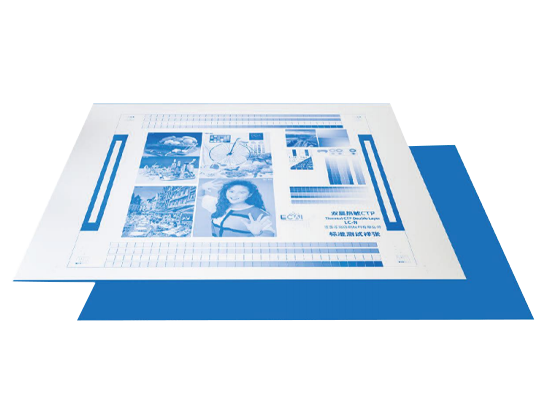
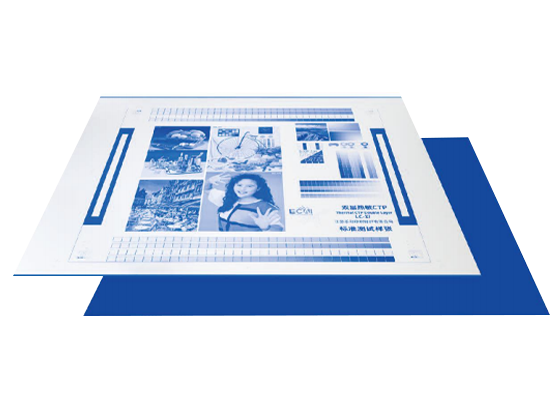 LC-IIILecai CTCP Plates are used for high-end commercial color printing and newspaper printing. The unique manufacturing technology and good quality raw materials supply hig...View Product →
Almost every positive CTCP complaint we hear traces back to one of four variables, and none of them is mysterious.
Control those four and the plate behaves predictably. Give any one of them free rein and the same box of plates will look like two different products across two shifts.
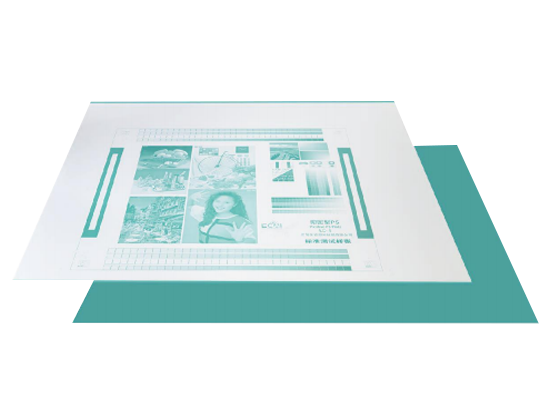
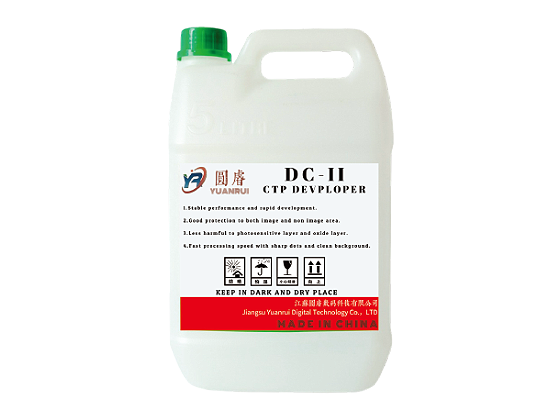
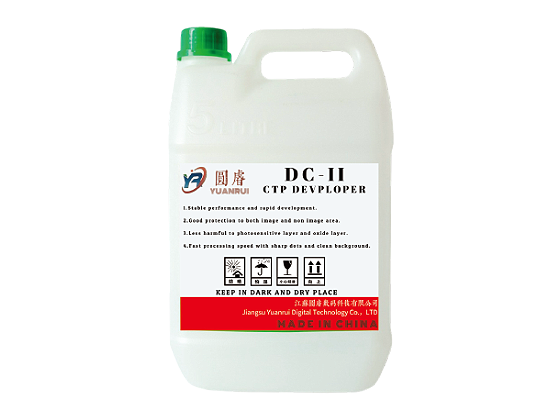 CTP DeveloperApplication Development Thermal CTP Plate Stable performance and rapid development.Good protection to both image and non image area.View Product →
This is also the reason we supply chemistry alongside plates. A developer and a replenisher built for the same coating family remove one variable from the equation before the first plate is even exposed.
Positive CTCP plates are judged on three things at the press: whether highlight dots hold, whether the background stays clean through the run, and whether the plate finds its ink-water balance quickly after a stop. All three are process outcomes rather than marketing claims. A plate that images beautifully but develops unevenly will scum in the background by the ten thousandth sheet, and a plate that develops cleanly but is stored badly will lose its highlight dots before it reaches the press.
Pay attention to fountain solution compatibility as well. A slightly aggressive etch or an uncontrolled pH will shorten plate life faster than any mechanical wear in the press.
Run length depends on the plate format, the press, the ink and the substrate far more than on the label on the box. Unbaked positive CTCP plates handle typical commercial run lengths comfortably. When a job pushes well beyond that, baking the plate after development hardens the coating and extends life considerably, provided the bake temperature and gumming routine are followed properly. If you plan to bake, decide it before you order, because not every plate format is intended for it.
Most plate damage happens before the plate ever reaches the press. Keep boxes sealed and flat, store them away from direct sunlight and humidity, and open them only under yellow light. Handle plates by the edges, keep the interleaving paper until imaging, and never let a plate sit exposed on a bench while the operator takes a phone call. If you want a deeper routine for the double-layer format specifically, we keep a practical note on storing and maintaining positive CTCP plates in our technical library.
Before you commit to a supplier or a format, get clear answers to these questions.
A supplier who asks these questions before quoting is a supplier who intends to stay in the relationship after the first delivery.
If you are weighing positive CTCP plates for your next purchase, tell us what you print, what equipment you run and what your remakes are costing you. At Jiangsu Yuanrui Digital Technology we would rather recommend the right format, the right chemistry and a sensible starting exposure than sell you a specification sheet. That approach has kept our plates on presses in more than fifty countries, and it is the reason printers come back to us for the second order as well as the first.
CONTACT US
KEEP IN TOUCH

Mobile QR code
Contact Information
No.77,Taisheng Road,Hailing District,Taizhou City,Jiangsu
+86 13961040488+86 19852223565
+86 523 86969522
Copyright © by Jiangsu Lecai Printing Materials Co., Ltd. Rights Reserved.Custom Digital Offset Printing Plates Manufacturers

 English
 Français
 Español
 Indonesia
 عربى
عربى