2026-09-24
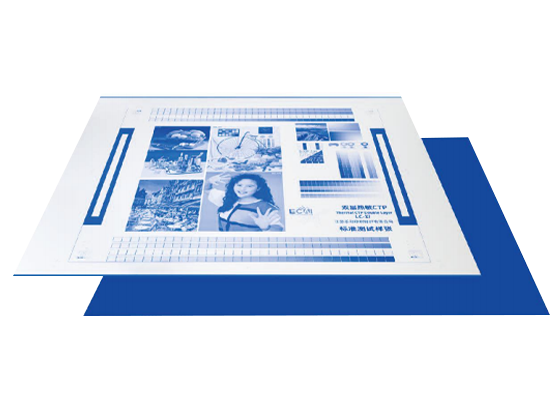
In more than fifteen years of producing printing plates, we have learned that a plate does more than carry an image — it carries the rhythm of the whole pressroom. Positive CTCP double layer plates have earned a special place in that rhythm because they combine the familiarity of conventional positive-working plates with the digital precision of CTCP exposure. For printers running catalogs, textbooks, manuals, and packaging work, this plate type offers a practical balance of imaging latitude, run length, and cost control.
To understand the double layer design, it helps to know what a positive CTCP plate does. CTCP stands for Computer-to-Conventional Plate. A positive CTCP plate is exposed by a laser in a CTCP unit, but it is processed like a conventional positive plate. That means printers who already own a UV or violet CTCP exposure device can keep using their existing plate line without moving to a thermal system.
At first glance, a double layer plate looks like any other offset plate. The difference lies beneath the surface. A positive CTCP double layer plate is built with a thin bottom layer and a top imaging layer. The bottom layer anchors the coating to the aluminum substrate, while the top layer is formulated to respond quickly to the CTCP exposure unit and to hold fine halftone dots during development.
That two-layer construction is what makes the plate less likely to deform during printing. It also creates a clear boundary between image and non-image areas, which is why printers often notice cleaner dot edges and more consistent tone reproduction when they switch from a single-layer positive plate to a double-layer version.
In our experience, the benefits that matter most in the pressroom are the ones that can be felt on press, not just measured in an exposure test. Here are the four advantages we hear about most often:
These advantages are not theoretical. They are the result of coating formulas that have been refined over years of production for the export market.
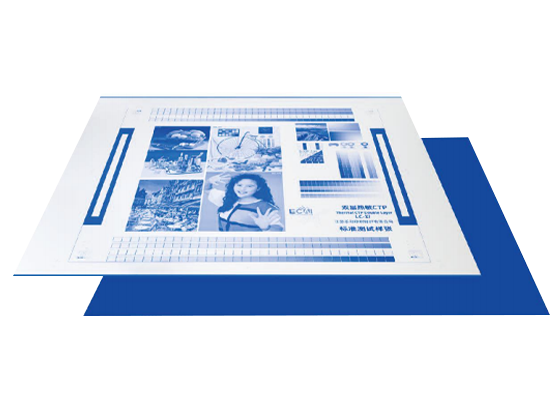 Lecai LC-VI Positive CTCP Double Layer Plates for UV and Standard InksHigh-quality aluminum plates with refined coating for high-end commercial and newspaper printing. They offer ink resistance, long run length, precise halftone reproduction, and convenient processing, worth evaluating for specific jobs.View Product →
Positive CTCP double layer plates are not a universal substitute for every plate type, but they shine in a specific set of jobs. We see them used most often in:
If a print shop already owns a positive CTCP exposure unit and wants to avoid replacing it with a thermal system, double layer plates are a low-risk way to bring digital workflow benefits to that existing equipment.
Consider a commercial printer that produces 24-page catalogs on a six-color press. They were using a single-layer positive CTCP plate and seeing inconsistent dot gain on the third and fourth color units, especially in 175-line screens. After switching to a positive CTCP double layer plate, the press operator found that the plates reached ink-water balance about ten sheets faster than before. The number of waste sheets did not disappear entirely, but the shift made a measurable difference over a monthly run of 200,000 impressions.
This kind of result does not come from the plate alone. Good exposure, proper developer control, and a stable press setup all matter. But the plate is the first link in the chain, and the double layer gives the rest of the system a solid foundation.
When you compare quotes from different plate suppliers, look beyond the price per square meter. The following technical details will affect your daily production more than any small price difference.
| Factor | What to Check | Why It Matters |
|---|---|---|
| Coating uniformity | Thickness profile across the plate width | Poor uniformity leads to density variations and scumming on press |
| Spectral sensitivity | Matching to your CTCP exposure unit's wavelength | Mismatch causes underexposure or overexposure at normal settings |
| Resolution | Ability to hold a 1–99% dot at 200 lpi | Higher resolution gives more flexibility for fine art and packaging work |
| Developer compatibility | Recommended developer and replenisher | Wrong chemistry reduces development latitude and shortens plate life |
| Run length expectation | Typical press life under normal blanket pressure | Helps you plan for long-running jobs without unnecessary plate changes |
| Packaging and transport | Edge protection, moisture barrier, and stacking | Damaged edges or humidity exposure can create visible press defects |
Do not be afraid to ask the supplier for a pressroom trial with your own jobs. A plate that looks excellent in a laboratory may behave differently on your press, with your ink, and on your stock.
Storage also plays a role. Keep the plates in a dry room at a stable temperature, preferably between 20°C and 25°C, with the original protective interleaving in place. Avoid stacking too many cartons on top of each other, because the bottom plates can develop paper- or coating-press marks before they ever reach the press.
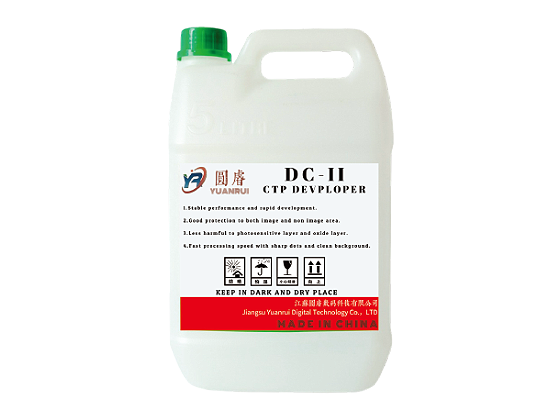
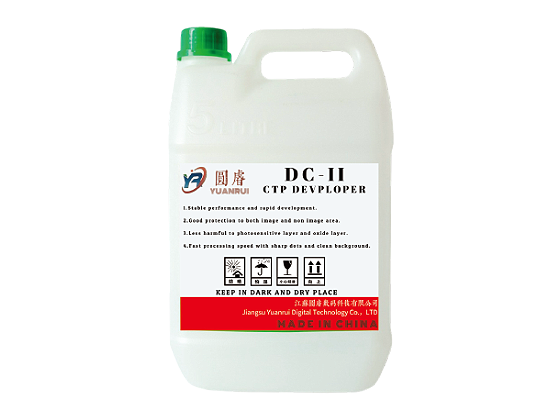 Lecai CTP Developer for Thermal Plates with Stable Development PerformanceA developer formulated for fast, clean processing of thermal CTP plates. It protects image and non-image areas, minimizes harm to photosensitive layers, and supports consistent dot sharpness, helping reduce overall production costs.View Product →
Buying plates is a commercial decision. Even if double layer plates cost slightly more than single-layer versions, the total cost per good impression is what counts. Faster make-ready, fewer waste sheets, and fewer press stops all reduce the real cost of production. In our experience, printers who evaluate total pressroom cost rather than plate unit price often find that the double layer structure pays for itself within a few months.
There is also a practical benefit for inventory management. A double layer plate that tolerates slight changes in developer strength gives you more freedom to use the same plate for a wider range of jobs. That reduces the number of plate variants you need to store.
We are often asked how to choose a reliable positive CTCP plate manufacturer. Our answer is simple: look for a supplier who understands the full process, not just the coating line. At Jiangsu Yuanrui Digital Technology, we have spent more than fifteen years producing printing plates for export markets around the world. Our group operates with an annual plate capacity of more than 40 million square meters, and we support customers not only with plates but with compatible chemistry and technical advice. If you want to see how that support works in practice, contact our team.
A good supplier also proves its quality with documentation. Our quality control system covers raw material inspection, coating parameters, exposure tests, and final packing checks. We invite serious buyers to audit our production line and to request a small trial order before making a volume commitment.
Positive CTCP double layer plates are not a new invention, but they remain a smart choice for printers who want digital workflow benefits without replacing their CTCP equipment. The combination of stable imaging, wide development latitude, and dependable press life makes them a practical consumable for catalogs, textbooks, packaging, and commercial work. As a manufacturer that has shipped these plates to more than fifty countries, we encourage you to evaluate them with your own jobs, your own chemistry, and your own press conditions.
CONTACT US
KEEP IN TOUCH

Mobile QR code
Contact Information
No.77,Taisheng Road,Hailing District,Taizhou City,Jiangsu
+86 13961040488+86 19852223565
+86 523 86969522
Copyright © by Jiangsu Lecai Printing Materials Co., Ltd. Rights Reserved.Custom Digital Offset Printing Plates Manufacturers

 English
 Français
 Español
 Indonesia
 عربى
عربى