2026-10-16
If you spend your days in a prepress room, you already know that no two presses behave quite the same. A plate that runs beautifully on one machine can fight you on another, and that is exactly where custom digital offset printing plates come in. Instead of forcing your press, your platesetter or your workflow to fit a standard sheet, you have the plate built around the way you actually print.
We make printing plates for a living, and most conversations with printers start the same way: someone has a register problem that will not go away, a run length that keeps falling short, or a plate that simply does not sit well in an older press. Customization is usually the answer, and it is far less complicated than it sounds.
In our world, customization is rarely about appearance. It is about fit, chemistry and consistency. When a printer asks for a custom plate, the request usually touches one or more of these points:
None of these adjustments is exotic. They simply require a manufacturer who is willing to listen to the details of your workflow rather than sending the same standard carton to every customer.
Over the years our product range has settled around five plate families, each one with its own customization window. The table below is the quickest way to see where each family fits.
| Plate family | Imaging method | Typical job profile | What we customize |
|---|---|---|---|
| Thermal CTP plate, single layer | 830 nm thermal laser | Commercial, book and general sheet-fed work on short to medium runs | Gauge, sheet size, edge cut, punch pattern, coating sensitivity |
| Thermal CTP plate, double layer | 830 nm thermal laser | Longer runs with heavy ink coverage, packaging and label work | Layer build, run length target, size and punch |
| Positive CTCP plate, single or double layer | Violet laser on a conventional plate platform | Printers moving from film to CTP without replacing the whole line | Sheet size, grain and anodizing depth, punch, coating |
| Positive PS plate | UV exposure through film | Shops still running an analog platemaking route | Gauge, size, packing and batch-to-batch consistency |
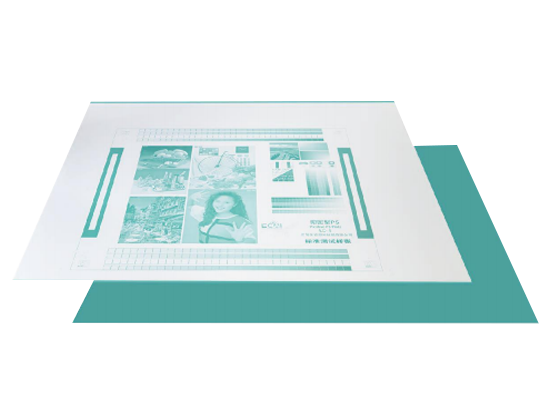
| Processless thermal CTP plate | 830 nm thermal laser, no development step | Plants facing waste-water limits or wanting a simpler platemaking flow | Size, punch, sensitivity and handling window |
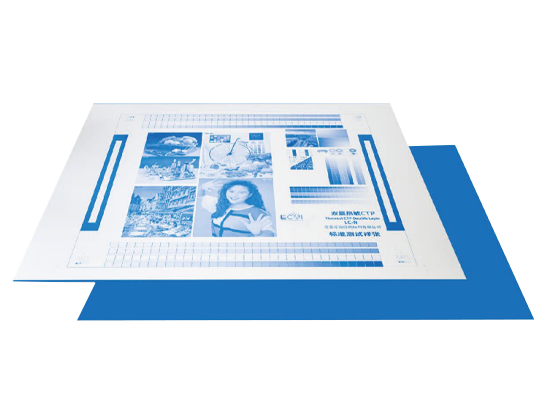
Single-layer thermal plates are where most customization requests begin, because they cover the widest range of everyday work and can be adjusted without changing anything else in the process.
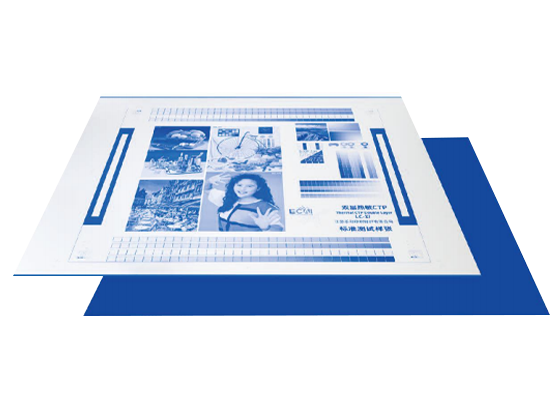
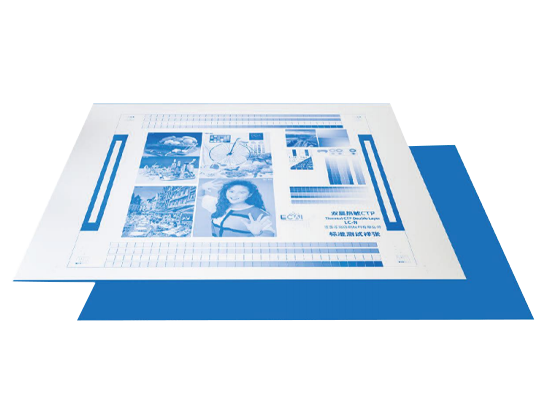 Lecai LC-S Custom Thermal CTP Single Layer PlateA customizable single-layer thermal plate for commercial and newspaper printing, suited to everyday work with fast platemaking and precise halftone dots.View Product →
From the outside, platemaking looks simple: a sheet goes into the machine, an image appears, and the press does the rest. Building that sheet is a different story. It starts with an aluminium substrate that is degreased, grained and anodized to a controlled depth, because the surface is what carries the ink-water balance later on.
The coating step comes next. Coating weight is controlled to fractions of a gram per square metre, since that single number decides how quickly the plate responds to the laser, how clean the dots develop, and how much punishment the image can take on press. Once the coating is dried and cured, the coil is cut to size, punched, inspected and packed.
Quality control follows the plate all the way through. We check coating weight, sensitivity on our own platesetters, resolution on fine line and dot targets, ink-water balance, and run length on press trial. Our group has been producing printing plates for around fifteen years, with annual output above 40 million square metres, and in 2015 we developed a processless CTP plate in response to tightening environmental rules. That project still shapes how we approach coating chemistry today. If you would like more background, our story is here.
Before ordering anything custom, three questions tend to settle most of the decision, and a good supplier should ask all three before quoting.
Thermal and violet systems demand different coating responses. A plate tuned for an 830 nm head will not perform as intended on a violet platesetter, and the reverse is equally true. Tell us the imaging wavelength and the plate will be matched to it.
Run length is where single-layer and double-layer plates separate. Short commercial work is comfortable on a single layer, while heavy coverage or long packaging runs generally justify the extra build of a double-layer plate. The cost difference is small compared with a re-make halfway through a shift.
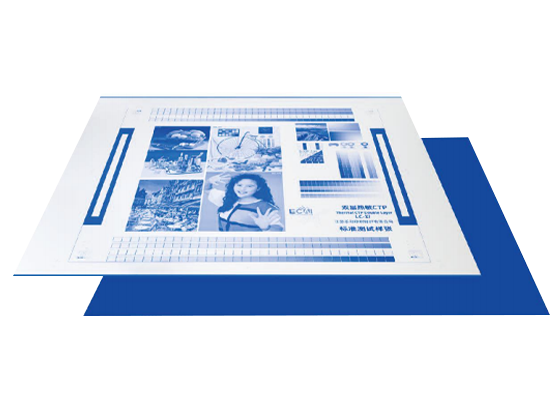
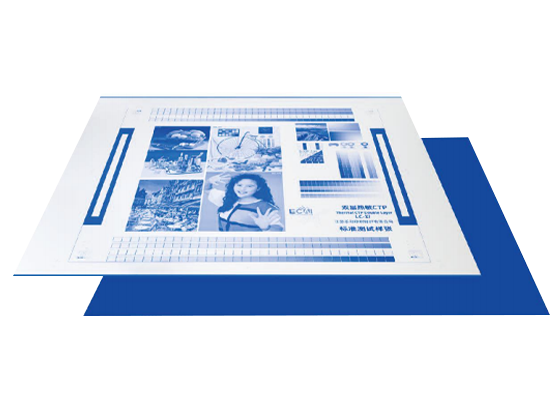 Lecai LC-XI Custom Thermal CTP Double Layer PlateDouble-layer thermal plate for high-end commercial and newspaper printing, offering longer run lengths for heavy coverage or packaging work, with UV and ordinary ink compatibility.View Product →
Plate and chemistry are a pair, not two separate purchases. Developer strength, replenishment rate and processor speed all interact with the coating, which is why we formulate our CTP developer and replenisher alongside the plates themselves and test them together rather than in isolation.
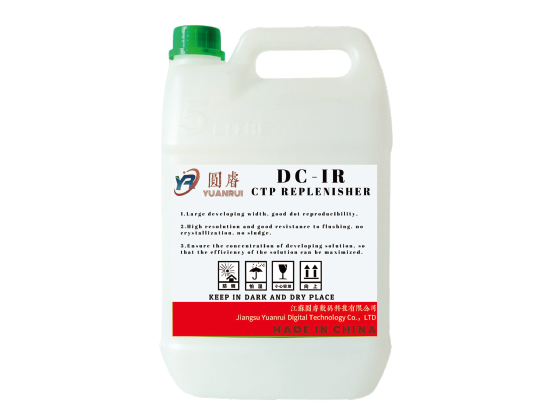
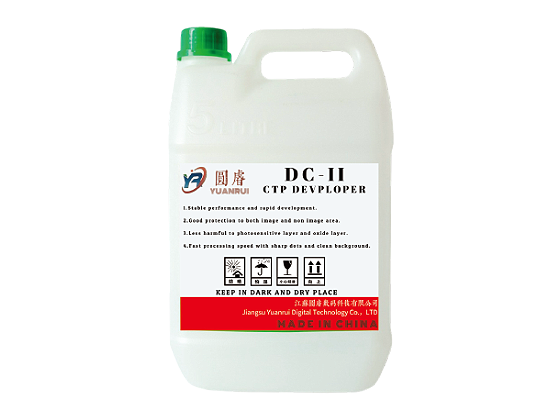 Custom CTP Thermal Plate Developer for Offset PlatemakingDeveloper formulated for thermal CTP plate processing, with stable, rapid development, sharp dots and clean background; supports offset/CTP platemaking and replenishment.View Product →
A short, complete specification saves weeks of back-and-forth. These are the items we ask about most often:
Even a perfectly built plate can be ruined by a careless week in the warehouse. A few habits keep custom batches performing the way they did on the day they were tested:
The right partner is not necessarily the largest one. It is the one that asks about your press, your platesetter, your chemistry and your waste-water situation before talking about price. Custom work is a conversation, and it helps when the people on the other side have stood in a prepress room themselves.
If you are weighing a change in plate supply, or you simply have a press that standard formats never quite suited, send us the details. Sizes, gauges, punch drawings and run length targets are all welcome, and we will tell you honestly whether a custom build makes sense for your volume. You can reach our team here.
CONTACT US
KEEP IN TOUCH

Mobile QR code
Contact Information
No.77,Taisheng Road,Hailing District,Taizhou City,Jiangsu
+86 13961040488+86 19852223565
+86 523 86969522
Copyright © by Jiangsu Lecai Printing Materials Co., Ltd. Rights Reserved.Custom Digital Offset Printing Plates Manufacturers

 English
 Français
 Español
 Indonesia
 عربى
عربى