2026-09-18
In the world of CTP plate processing, consistent developer performance is everything. Without a stable chemist, even the finest thermal CTP plate will produce inconsistent dots, poor resolution, and wasted make‑ready time. That is precisely why CTP replenisher exists: it keeps the developer bath within a narrow operating window, compensating for chemical depletion and by‑product build‑up as plates are processed. Over the years, we have seen many printing plants treat replenishment as an afterthought, only to struggle with quality fluctuations. In reality, the replenisher is the quiet guardian of platemaking consistency.
A CTP replenisher is a concentrated or ready‑to‑use chemistry that is added to the developer tank to restore the active components that get consumed during plate development. When a thermal CTP plate passes through the developer, the developer’s alkaline agents react with the non‑image areas of the coating. Over time, the concentration of these agents drops, and dissolved coating residues accumulate. If left uncorrected, the developer weakens, leading to incomplete removal of the coating (i.e., scum) or uneven development.
The replenisher counteracts these changes. It typically contains a higher concentration of the active alkali, along with buffering agents and surfactants, to bring the developer back to its intended strength. Many modern replenishers are designed for conductivity‑based replenishment systems, where a sensor monitors the developer’s conductivity and triggers automatic additions. This approach reduces chemical waste and ensures the developer stays in a tight specification range.
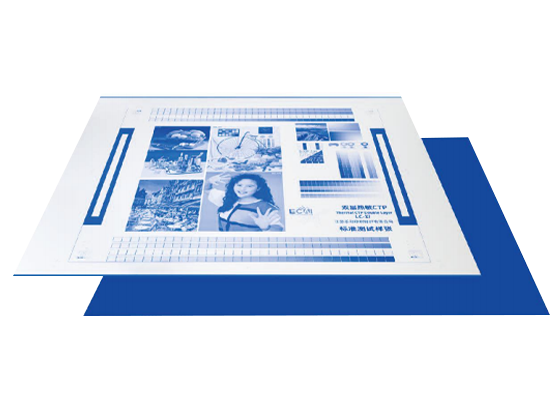
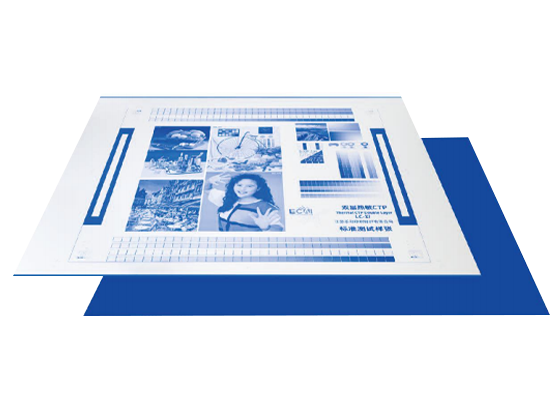
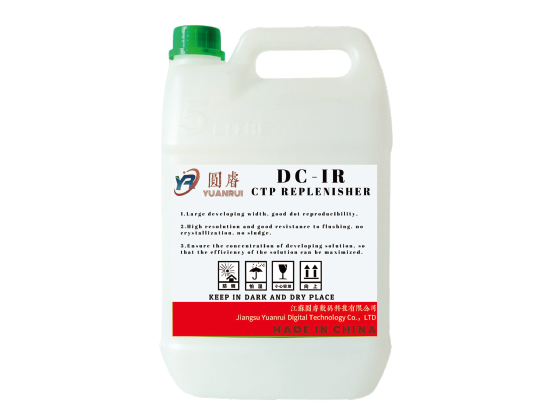
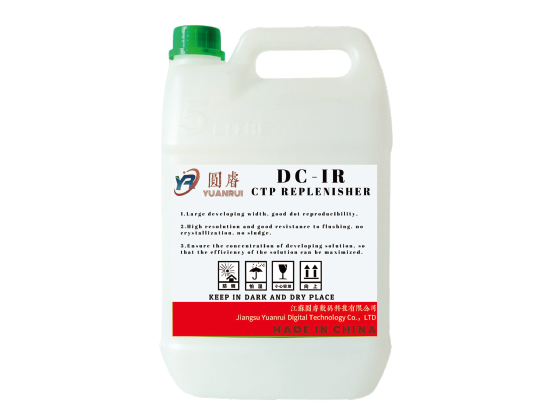 CTP Replenisher for Thermal Plate Developer StabilityMaintains developer selectivity and alkalinity for high‑resolution commercial plates. Designed for conductivity‑based systems with dynamic replenishment of 80–120 ml/m² to reduce waste and keep chemistry consistent.View Product →
A well‑formulated CTP replenisher does more than just top up alkalinity. It also helps maintain the developer’s selectivity — the ability to remove the coating completely without attacking the image areas. This balance is particularly critical for high‑resolution plates used in commercial and packaging printing. Our own experience at Jiangsu Yuanrui (part of the Lecai Group) has taught us that the chemistry’s tolerance to varying plate throughput and temperature shifts makes a real difference on the pressroom floor.
It is common to see the terms developer and replenisher used interchangeably, but they serve distinct roles. The CTP developer is the working solution in the processor tank. It is prepared by diluting a developer concentrate with water (typically 1:5 to 1:9 depending on the brand) and is used as the initial bath. The CTP replenisher is a more concentrated chemistry added during production to compensate for depletion. Some manufacturers market a single product that can be used both as a developer (at a higher dilution) and as a replenisher (at a lower dilution or neat), but many prefer dedicated formulations.
| Parameter | Developer (working bath) | Replenisher |
|---|---|---|
| Concentration | Diluted per instructions | Concentrated or ready‑to‑use |
| Purpose | First fill of processor | Maintain bath strength during production |
| Addition method | Manual batch make‑up | Manual or automatic metered feed |
| Frequency | At initial setup and after dump | Per plate processed or based on conductivity |
Choosing the right replenisher chemistry is just as important as selecting a good developer. In our CTP developer line, we ensure that the replenisher matches the developer’s formula so that the two work in harmony. Mismatched chemistries can cause foam, precipitation, or sudden pH excursions that lead to plate defects.
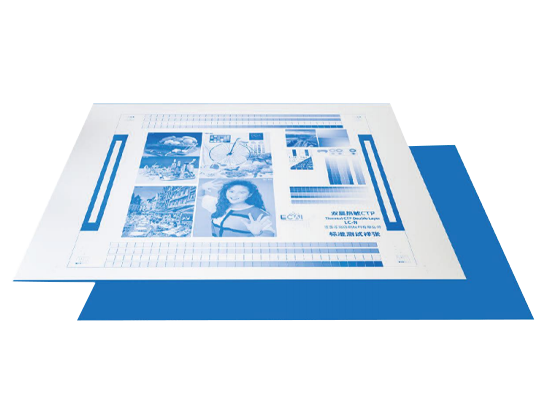
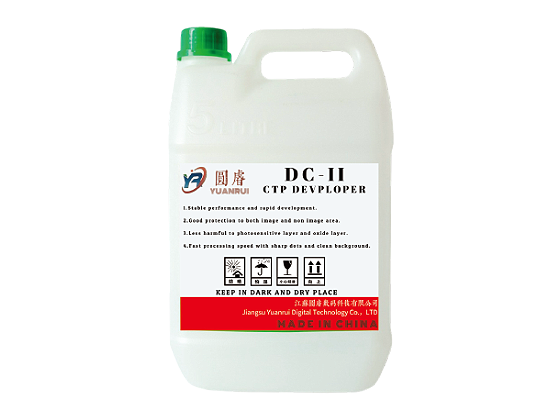 CTP Developer for Thermal Positive PlatesProvides stable performance, fast development, and clean backgrounds. Works in harmony with matching replenisher chemistry at a recommended dynamic rate of 120 ml/m² for sharp dots and consistent output.View Product →
Every processor and plate combination has its own sweet spot for replenishment. The general guidance from most chemistry suppliers is to start with the manufacturer’s recommended rate and adjust based on actual consumption. For thermal positive CTP plates, a common starting point is 80–120 mL of replenisher per square meter of plate processed. However, factors such as plate speed, developer temperature (typically 22–24 °C), and the age of the bath all influence the ideal rate.
If you use a concentrated replenisher that also serves as a developer (like some all‑in‑one products), the initial fill usually requires a specific dilution with water. For example, a 1:6 ratio of concentrate to water yields the working developer. Once the bath is in use, you add the same concentrate at a lower dilution (e.g., 1:3) or neat as replenisher. It is critical to measure the conductivity and pH daily, especially during the first week of a new bath, to establish the correct consumption pattern.
Automatic replenishment systems that use a conductivity probe are becoming standard in modern CTP processors. They eliminate the guesswork by continuously monitoring the ionic strength of the developer. When the conductivity drops below a setpoint, the system adds a pulse of replenisher. This technique not only stabilizes plate quality but also reduces chemistry consumption by 15–30% compared to fixed‑rate addition. Our factory has worked closely with processor manufacturers to verify that our CTP Replenisher for Thermal Plate Developer StabilityMaintains developer selectivity and alkalinity for high‑resolution commercial plates. Designed for conductivity‑based systems with dynamic replenishment of 80–120 ml/m² to reduce waste and keep chemistry consistent.View Product → performs reliably under conductivity‑controlled dosing.
The market offers many replenisher options, but not all deliver consistent results. Here are the key criteria we have learned to evaluate over a decade and a half of printing materials production:
At Jiangsu Yuanrui, we have built our company around the principle that chemicals should be as reliable as the plates they treat. Our production lines for CTP developer and replenisher operate under strict quality control, and we back every shipment with application support. If you are evaluating a new replenisher supplier, we recommend requesting a sample batch and running an A/B test on your own processor to compare side‑by‑side performance.
One of the most significant trends in printing is the push toward reduced chemistry consumption. Process‑less CTP plates eliminate the developer step entirely, but for the vast majority of printers still using conventional thermal CTP, the replenisher remains an essential consumable. However, innovative chemistry can minimize waste. High‑concentration replenishers, for instance, require lower dosing volumes, cutting down on chemical transport and disposal costs.
Furthermore, some modern replenisher formulations are designed to be less aggressive on the plate coating, allowing longer developer bath life. A bath that lasts 30–40% longer means fewer dumps and less effluent. Our carbon‑footprint reports, available on our site, detail how we have reduced the environmental impact of our own manufacturing. We also share practical tips with customers on how to fine‑tune replenishment rates to avoid over‑dosing — a win for both quality and the planet.
Based on field experience and feedback from printing plants around the world, here are our top recommendations for getting the most out of your CTP replenisher:
If you need assistance setting up a replenishment schedule for your specific processor model, our technical team is glad to help. You can reach us through our contact page.
CONTACT US
KEEP IN TOUCH

Mobile QR code
Contact Information
No.77,Taisheng Road,Hailing District,Taizhou City,Jiangsu
+86 13961040488+86 19852223565
+86 523 86969522
Copyright © by Jiangsu Lecai Printing Materials Co., Ltd. Rights Reserved.Custom Digital Offset Printing Plates Manufacturers

 English
 Français
 Español
 Indonesia
 عربى
عربى