2026-09-18
In the world of offset printing, every component in the platemaking chain plays a critical role in the final print quality. Among these, the CTP developer often works behind the scenes but can make or break a press run. With over 15 years of hands‑on experience in plate manufacturing, we at LECAI understand the chemistry and the practical demands that printers face every day. Let’s take a closer look at what a CTP developer is, how it functions, and what you should consider when selecting one for your production line.
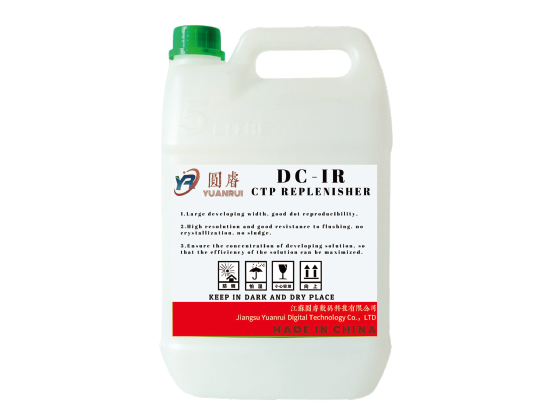
A CTP developer is a chemical solution used to process exposed thermal CTP plates. After the plate is imaged by a laser, the developer selectively removes the non‑image areas (the uncured coating), leaving the image‑carrying layer intact. The result is a clean, sharp plate ready for the press. Without a properly formulated developer, even the best plate emulsion can fail to deliver consistent dot reproduction, leading to issues such as scumming, dot gain, or uneven ink acceptance.
Over the years we have refined our developer formula to achieve fast development speed, excellent dot reduction, and minimal impact on the aluminum substrate. These characteristics directly translate into stable press performance and reduced waste on shop floors. Whether you run a commercial printing house or a packaging plant, the developer you use must match your plate type, your processing speed, and your environmental requirements.
To appreciate the importance of the developer, it helps to understand the platemaking sequence. A typical thermal CTP workflow includes:
Selecting a CTP developer is not a one‑size‑fits‑all decision. Here are the key considerations we have seen matter most in real printing environments:
| Factor | Why It Matters |
|---|---|
| Plate compatibility | The developer must work with your specific thermal CTP plate (e.g., single‑layer, double‑layer, or process‑less). |
| Developing speed | Faster throughput reduces bottlenecks, but speed should not come at the cost of quality. |
| Bath life | Longer‑lasting chemistry lowers chemical consumption and waste. |
| Temperature sensitivity | Stable performance over a range of operating temperatures reduces adjustments. |
| Environmental footprint | Lower volatile organic compounds and easier waste treatment align with green printing goals. |
We also encourage printers to monitor the developer bath regularly. Simple measures such as checking pH and replenishment rates can extend bath life by 20–30%. In our experience, many plate defects trace back to an overlooked developer parameter. That is why we provide technical support to help our customers fine‑tune their process.
Quality assurance is central to everything we do. Our factory is equipped with in‑line coating inspection, and every batch of developer undergoes a full spectrum of tests before shipment. We have also published our carbon footprint and social responsibility reports, reflecting our commitment to sustainable manufacturing. You can learn more about our production standards on our about page.
For those looking to stay current with platemaking trends, our industry news article on CTP developer offers additional technical insights. We believe that informed decisions lead to better results, and we are always open to sharing what we have learned from thousands of customers across 50 countries.
Choosing a CTP developer is ultimately a choice about consistency, efficiency, and print quality. With the right chemistry, your plates will deliver the same reliable performance shift after shift. At LECAI, we build our developer from the ground up with that goal in mind. If you have a specific application or a current processing challenge, we welcome you to reach out. Our team is ready to help you find the right fit for your pressroom.
CONTACT US
KEEP IN TOUCH

Mobile QR code
Contact Information
No.77,Taisheng Road,Hailing District,Taizhou City,Jiangsu
+86 13961040488+86 19852223565
+86 523 86969522
Copyright © by Jiangsu Lecai Printing Materials Co., Ltd. Rights Reserved.Custom Digital Offset Printing Plates Manufacturers

 English
 Français
 Español
 Indonesia
 عربى
عربى