2026-10-23
Anyone who has spent a morning beside a CTP processor knows the feeling. The first plates of the shift image cleanly, then somewhere past the fortieth plate the solids start to look a little thin, and a faint scum creeps into the non-image areas. Nine times out of ten the plate is fine and the laser is fine. The conversation comes back to the chemistry, and more specifically to how the CTP plate replenisher is being dosed.
Replenishment is one of those quiet routines that decides whether a platemaking department runs smoothly or spends its afternoon remaking plates. What follows is drawn from years of supplying plates and chemistry to printers in more than fifty countries, and it is written for the people standing at the processor, not for a catalogue.
Developer and replenisher are not the same product, even though they often arrive in similar containers. A developer is a working-strength solution, mixed and ready for the tank. A CTP plate replenisher is a concentrated blend of the same active ingredients, including alkali, surfactants, chelating agents and development inhibitors, and it is designed to be added in small, regular amounts. Its job is simple to state: give back what each plate takes out.
What does a plate take out? Three things, mainly. The exposed coating consumes alkali as it dissolves. The dissolved emulsion leaves bromide and other reaction products that slow development as the shift goes on. And the open surface of the tank absorbs carbon dioxide from the air, which quietly neutralises the bath hour after hour. Add evaporation and drag-out on the rollers, and a tank that started the morning perfectly balanced will have drifted by lunchtime.
Replenisher is the correction. Added at the right rate, it restores activity without shocking the bath. Added at the wrong rate, it either lets the developer fade or pushes it too hot, and both outcomes show up on press.
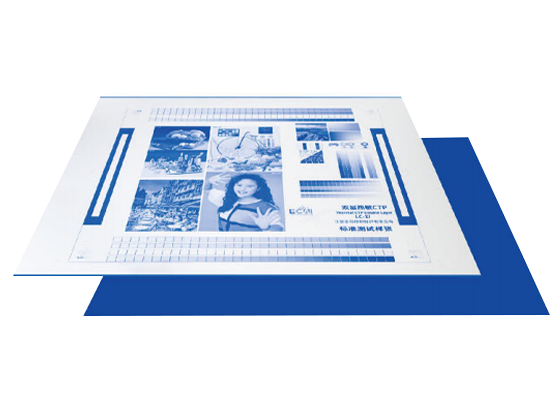
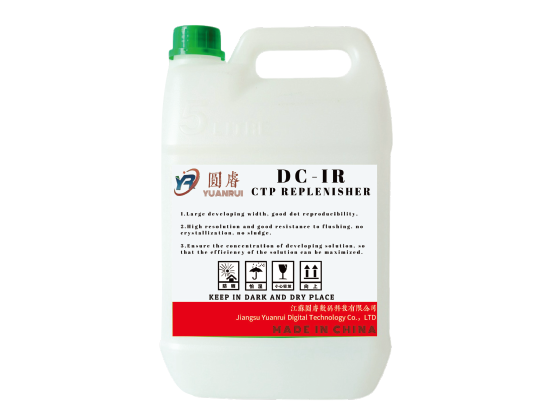
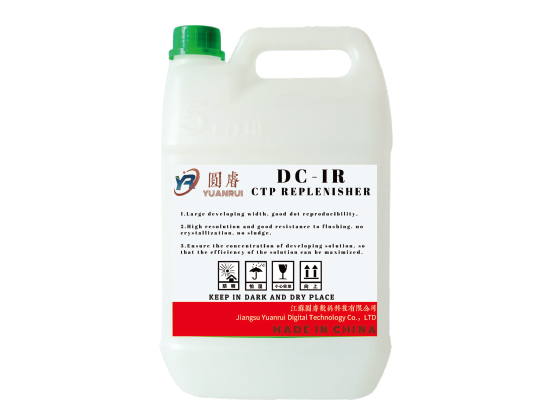 CTP Replenisher for Thermal Plate DevelopersUsed to restore thermal CTP developer activity at recommended replenishment rates, it helps keep bath concentration stable when matched to the plate coating.View Product →
It also has to match the coating it is feeding. A replenisher built for one family of positive thermal plates will behave differently on another, which is why chemistry and plate should always be chosen as a pair rather than separately.
Under-replenishment is the more common fault, and it is deceptive because the plate usually still prints at start-up. Development is incomplete, so the non-image areas carry a thin residue, fine reverses fill in, and the plate reaches the end of its run length early. Press operators then spend time chasing ink, water and blanket settings when the real cause left the processor an hour before.
Over-replenishment is less common but no kinder. The bath becomes more aggressive than the coating was designed for, highlight dots disappear, dot gain climbs, and the image edges begin to look attacked. Chemistry consumption and effluent volume rise at the same time, so the line pays twice.
Steady dosing avoids both. When the bath stays within its working window, dot reproduction stays predictable from the first plate of Monday to the last plate of Friday, and the press crew stops adjusting for a variable they cannot see.
No single replenishment figure suits every shop. The right rate is a function of the work you run, the machine you run it on, and the conditions in the room. The table below covers the factors that shift rates most often on a working line.
| Factor | Effect on the bath | Practical adjustment |
|---|---|---|
| Plate type and coating | Different coatings consume alkali at different rates | Use the plate maker's recommended pairing and starting dose |
| Image coverage | Heavy solids exhaust developer faster than light text | Increase dose for high-coverage jobs, or dose by area |
| Plates per shift | More throughput means more dissolved emulsion and bromide | Link dosing to plate count rather than to clock time |
| Developer temperature | Warmer baths develop faster and age faster | Hold the set point and correct the dose if it drifts |
| Processor speed and dwell | Short dwell time can mask a weak bath | Keep speed fixed so dose changes stay measurable |
| Idle time and lid use | Open tanks absorb carbon dioxide and evaporate | Close the lid, and dose for idle periods as well as plates |
| Water quality | Hard water and poor mixing shorten bath life | Mix to specification and check water hardness |
Small shops often dose by hand, and that is perfectly workable if the routine is disciplined. Larger lines usually move to a per-plate pulse from the processor, and some now use conductivity measurement to track bath strength in real time. Each method has a blind spot worth knowing.
Whichever route you take, the arithmetic still matters. If you would like a worked method for setting the figure, our note on how to calculate CTP replenisher addition volume walks through the calculation step by step.
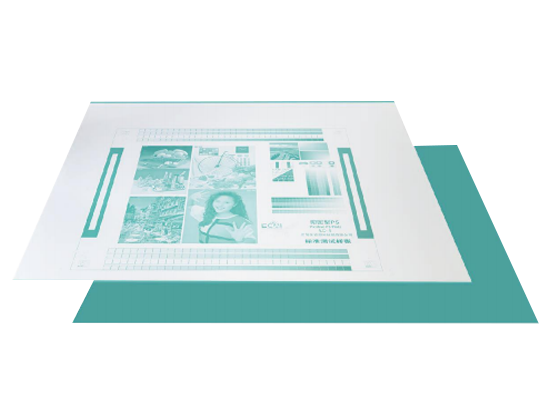
Replenishment only delivers consistent results when the chemistry suits the plate in the cassette. Single-layer and double-layer thermal plates differ in coating structure and therefore in how quickly they exhaust a bath. Positive CTCP plates sit in a different family again, and processless plates remove the development step entirely, so the question of replenishment does not apply in the same way.
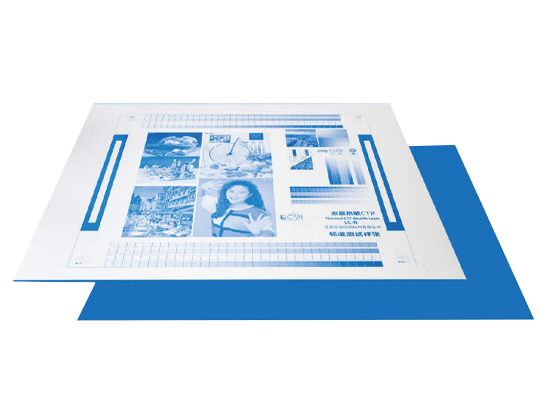
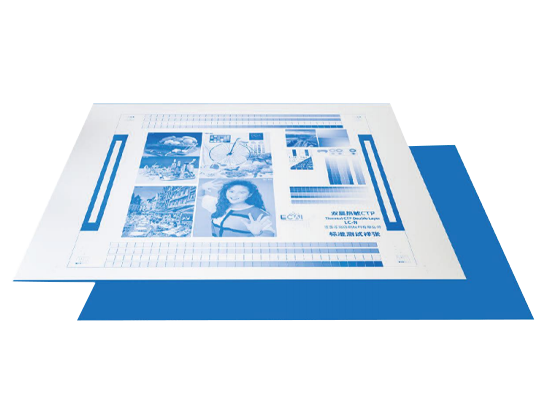 LC-S Single-Layer Thermal CTP PlateA single-layer thermal positive CTP plate for commercial and newspaper printing, offering precise dot reproduction and a working window suited to matched replenisher use.View Product →
For a shop running single-layer thermal work with moderate coverage, a matched plate and replenisher pair keeps the working window narrow and the plate-to-plate variation small. Where coverage is heavy and the processor runs all day, the same pairing benefits from a slightly higher dose and a tighter check on temperature.
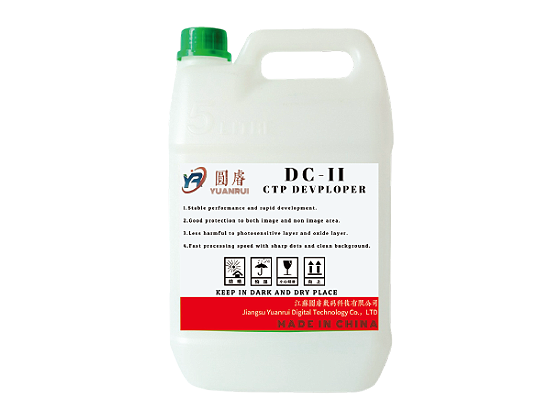
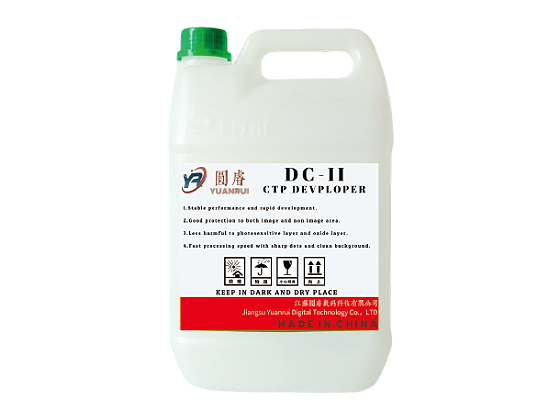 Custom CTP Thermal Plate DeveloperA thermal CTP plate developer for stable, rapid processing, intended to reset the bath baseline before replenisher maintains it between changes.View Product →
It is also worth remembering that replenisher tops up a bath; it does not rebuild one. When the tank is due for a change, a fresh developer mix resets the baseline, and the replenisher then holds it there. Shops that try to stretch tank life indefinitely with replenisher alone usually end up with sludge, blocked filters and inconsistent plates.
Keep the tank covered whenever the processor is idle. Label every container and keep replenisher concentrate away from developer working solution. Store chemistry within its recommended temperature range, and never top up a bath with water alone, because that dilutes the very components you are trying to restore. Wear gloves and eye protection when handling concentrate, and dispose of spent chemistry through the route your local regulations require.
None of these habits is complicated. Together they turn replenishment from a chore somebody remembers occasionally into a routine that quietly protects quality, run length and chemistry spend at the same time.
If you are unsure which replenisher suits the plates on your shelves, or you would like a second opinion on your current dose, our technical team is always glad to talk through real production numbers rather than theory. You can reach us through the contact page and we will help you set a starting point that fits your pressroom.
RELATED PRODUCTS
CONTACT US
KEEP IN TOUCH

Mobile QR code
Contact Information
No.77,Taisheng Road,Hailing District,Taizhou City,Jiangsu
+86 13961040488+86 19852223565
+86 523 86969522
Copyright © by Jiangsu Lecai Printing Materials Co., Ltd. Rights Reserved.Custom Digital Offset Printing Plates Manufacturers

 English
 Français
 Español
 Indonesia
 عربى