2026-11-27
If you work around offset presses, you have probably heard the term CTCP plate in conversations about moving from film to digital prepress. CTCP stands for Computer-to-Conventional Plate: a positive-working offset plate that receives a digital image from a laser platesetter and is then developed in conventional plate chemistry. It is not a separate universe from CTP. It is one practical branch of computer-to-plate production, designed to keep familiar plate processing while removing film from the workflow.
That hybrid nature is the key. A thermal CTP plate and a CTCP plate both skip film, but they use different imaging mechanisms, coatings, and processing paths. A CTCP plate behaves much more like a conventional presensitized plate on the processor and on press. The laser writes the image data, but the plate still depends on a properly maintained developer, rinse, gum, and dryer section. In our experience, printers who respect that balance get the best results.
Most CTCP plates are positive-working. The coating is oleophilic, or ink-receptive, while the aluminum base is hydrophilic. During imaging, the laser exposes the non-image background. The developer removes that exposed coating, leaving bare aluminum that accepts fountain solution. The unexposed image areas stay on the plate and carry ink. This is why CTCP is often described as digital exposure of a conventional plate rather than a thermal imaging process.
A clean result is rarely about one setting. Plate, platesetter, processor, and pressroom all have a say. If the background does not clear, check exposure, developer strength, temperature, or exhaustion. If the image scratches easily, look at handling and storage before blaming the plate.
The easiest way to understand CTCP is to place it beside the technologies it is usually compared with. CTP is the umbrella term for computer-to-plate imaging. Thermal CTP uses a thermal laser and a coating designed for that energy. A conventional PS plate is exposed through film and processed in the traditional way. CTCP sits between those ideas: digital imaging with conventional plate chemistry.
| Attribute | CTCP Plate | Thermal CTP Plate | Conventional PS Plate |
|---|---|---|---|
| Imaging source | UV or violet laser in a CTCP platesetter | Thermal laser, commonly around 830 nm | Film contact exposure under UV light |
| Plate chemistry | Conventional positive-working photosensitive coating | Thermal-sensitive coating, with processless options | Conventional positive photosensitive coating |
| Processing | Conventional developer, rinse, gum, and dry | Thermal developer or processless depending on plate | Conventional PS processor |
| Workflow | Digital, no film | Digital, no film | Analog, film-based |
| Typical fit | Shops with CTCP imaging and familiar PS processing | High-volume digital production and processless goals | Traditional shops with limited digital needs |
The table is deliberately simple. Real choices depend on the platesetter already on the floor, the processor, run length, substrate, and work type. A shop with a CTCP platesetter and a well-run PS processor may find plate cost and workflow attractive. A shop investing in a new thermal system may choose thermal for other reasons. Fit matters more than the label.
Within the CTCP family, you will commonly see single-layer and double-layer positive plates. The single-layer construction is straightforward and economical. It suits many routine commercial jobs where the prepress team wants dependable digital imaging without overcomplicating the process. For printers new to CTCP, it is often the easier starting point.
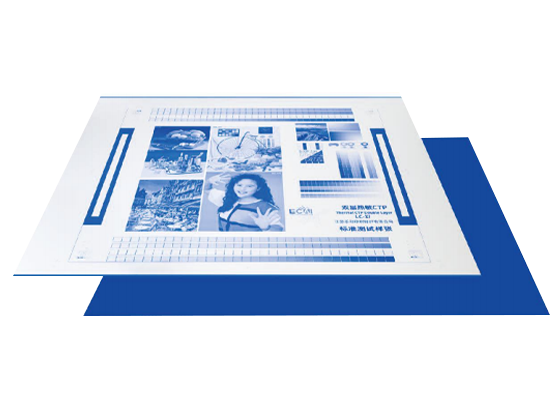
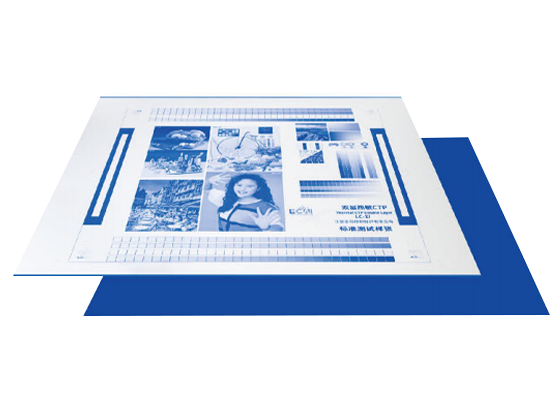
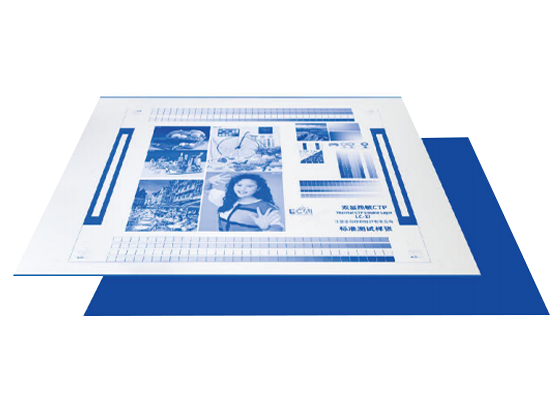 LC-III Single-Layer Positive CTCP PlateA straightforward single-layer CTCP option for routine commercial work, offering stable imaging, halftone reproduction, and development tolerance for prepress teams starting with CTCP.View Product →
The double-layer version adds another level of coating design. Shops often choose it when they want a wider process window, stronger image contrast, or extra confidence on longer runs. It uses the same CTCP concept, but the construction gives prepress and press teams more to work with. Match the plate to the job mix and the discipline of the processing line, not to the word "advanced."
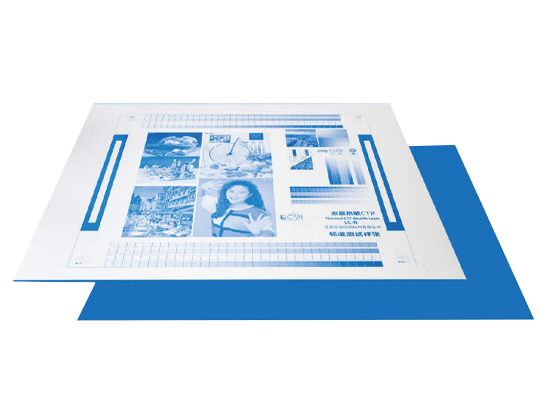
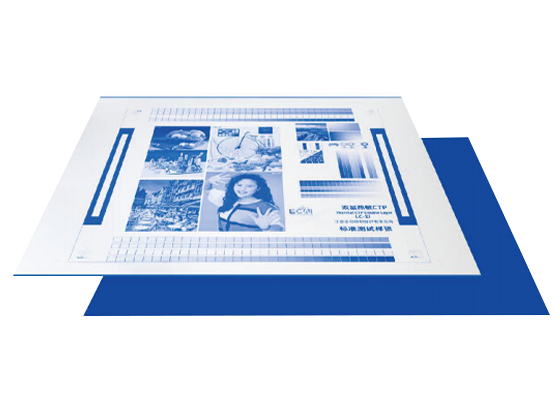 LC-VI Double-Layer Positive CTcP PlateThe double-layer CTcP plate for shops seeking a wider process window, stronger contrast, and longer runs, with UV-ink compatibility and high development tolerance.View Product →
Whichever version you use, batch consistency matters. Mixing batches without adjusting exposure, or changing replenishment without checking density, can create small variations that show up as inconsistent dot gain on press. Keep records and treat the processor as part of the imaging system.
CTCP is usually most comfortable in a shop that already understands conventional plate processing but wants to remove film. That might be a commercial printer with a mixed job board, a packaging converter with medium-to-long runs, or a trade platemaking operation serving smaller presses. It also helps where a CTCP platesetter is already installed and the team wants a stable plate supply without a full equipment change.
It is less compelling where the business has standardized on thermal CTP, where processless plates are a hard environmental requirement, or where the platesetter and processor cannot be kept under control. CTCP rewards discipline.
Start with the plate manufacturer's exposure guide, then verify it on your equipment. A step wedge or control strip beats guesswork. Check developer temperature and replenishment daily, and keep rollers, filters, and gum strength in good condition.
Keep plates in their original packaging, away from heat, moisture, and white light. Handle them by the edges and keep interleaving sheets clean. Dust and lint in the platesetter can create repeatable spots that look like imaging faults. Under yellow safelight, work efficiently and avoid leaving plates exposed longer than necessary.
CTCP is not the newest acronym in prepress, and that is why it remains useful in certain markets. Thermal CTP and processless plates have made great progress, but they are not the only sensible route. Where a CTCP platesetter is productive, conventional processing is well managed, and plate cost matters, CTCP continues to do real work. It also lets printers step into digital imaging without discarding skills they already have.
At Lecai, we produce positive CTCP plates in single-layer and double-layer versions, and we spend a lot of time talking with printers about processing discipline rather than slogans. The practical questions are simple: What equipment is already on your floor? What run lengths do you handle? Who owns the processor? How stable is your prepress team? Those answers usually point to a clearer decision than a generic "best plate" claim.
A CTCP plate is a conventional offset plate with a digital imaging job. It uses laser exposure to remove film from the workflow while keeping the familiar chemistry and press behavior of positive plate production. For the right shop, that combination is not a compromise for its own sake; it is a cost-effective bridge between old habits and digital control. If you want to understand how our plate range fits that bridge, you can review our team and manufacturing background and then match the plate to your platesetter, processor, and job mix.
CONTACT US
KEEP IN TOUCH

Mobile QR code
Contact Information
No.77,Taisheng Road,Hailing District,Taizhou City,Jiangsu
+86 13961040488+86 19852223565
+86 523 86969522
Copyright © by Jiangsu Lecai Printing Materials Co., Ltd. Rights Reserved.Custom Digital Offset Printing Plates Manufacturers

 English
 Français
 Español
 Indonesia
 عربى