2026-08-26
Every printing plate you clamp onto a press either reinforces your quality reputation or quietly undermines it. When your shop depends on high-volume commercial work, a plate that fails mid-run costs far more than the plate itself. That is why choosing the right printing plate manufacturer matters as much as choosing the right press.
For print companies evaluating suppliers, the strongest evidence of a manufacturer's capability lies in what they control before the plate reaches your skid: raw material treatment, coating formulation, batch consistency, and quality inspection. A manufacturer that operates its own production lines and understands the chemistry behind the coating can offer something that pure traders cannot: accountability.
Experience in plate manufacturing is not a decorative claim. It reveals how well a company handles the variables that affect plate performance: grain structure, anodizing, coating thickness, and exposure response. A manufacturer with over a decade of production history is likely to have encountered and solved issues such as poor ink-water balance, low run length, and inconsistent sensitivity across batches.
Annual output capacity also matters. When a maker advertises more than 40 million square meters per year, it signals that they have industrialized their processes and invested in the kind of equipment and workflow that supports repeatability. Large-scale production, when accompanied by strict in-house quality control, means that a print shop ordering today and a print shop ordering months later should receive identical plate performance.
Consider also the manufacturer's spatial footprint. A company that produces plates and related chemicals on site, rather than sourcing them independently, can better control compatibility. For example, plates and chemical developers from the same production group are formulated with knowledge of each other's properties, which reduces the risk of processing-related failures.
Not all plate types deliver the same benefits. A qualified plate manufacturer usually offers a set of product lines that cover both traditional and digital workflows, allowing you to match the product to your existing equipment and your quality targets.
| Plate Type | Typical Use Case | Key Benefit |
|---|---|---|
| Positive PS Plate | Traditional platemaking for small and medium-sized shops | Low cost entry point with reliable printing performance |
| Positive CTCP Plate (Single / Double Layer) | Conventional platesetters for digital platemaking | Digital accuracy without replacing the entire plate system |
| Thermal CTP Plate (Single / Double Layer) | Mainstream thermal computer-to-plate systems | High resolution, long run length, and stable press performance |
| Processless Thermal CTP Plate | Print shops with environmental constraints or limited chemistry handling | Eliminates or reduces the developing step and waste water |
When evaluating a supplier, ask how they define the run length of each product and under what conditions that run length holds. A responsible manufacturer will specify the plate performance, such as high resolution and consistent ink-water balance, and will explain how their coating technology achieves it. This level of detail shows engineering discipline.
A true manufacturer will have documented quality control procedures that are visible to customers. This can manifest in a dedicated quality assessment process, facility audits, or published certifications. The presence of environmental and social responsibility reports also matters because modern print buyers increasingly ask their suppliers to demonstrate sustainable production practices.
For a printing plate manufacturer, the relevant certifications might include ISO quality management systems, environmental management declarations, and carbon footprint reports. If a company publishes its carbon verification report for a recent year, it means they are measuring their footprint and being held accountable by third parties. That is useful signal for buyers with their own sustainability goals.
Additionally, look for clarity about testing methods. Ask what tests are performed on each batch, such as sensitivity checks, coating weight measurement, and resolution tests. The answer you receive separates a manufacturer who has a real quality lab from one who just repeats industry buzzwords.
Printing plates do not operate in isolation. A plate that performs poorly can be caused by incorrect exposure, unsuitable developer chemistry, or press parameters. A manufacturer with real industry experience can help you isolate the root cause rather than simply blaming the plate or the press.
When you are choosing between thermal CTP plates at double layer quality and single-layer options, the discussion should go beyond price. Your supplier should be able to explain the structural difference, the recommended plate exposure settings, and the conditions under which the double-layer option truly improves your output.
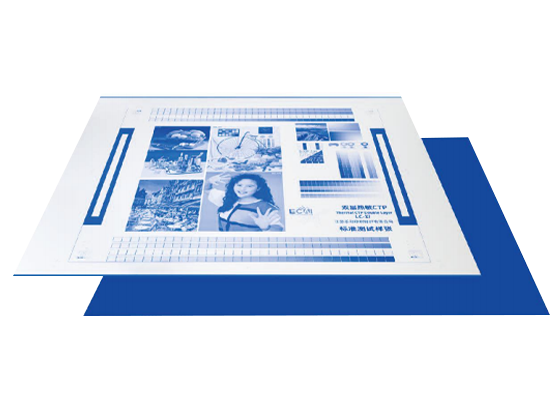
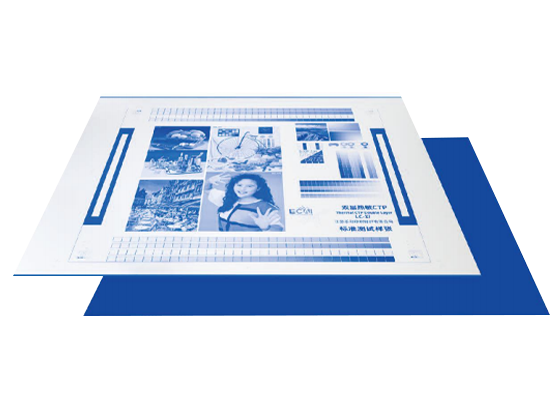
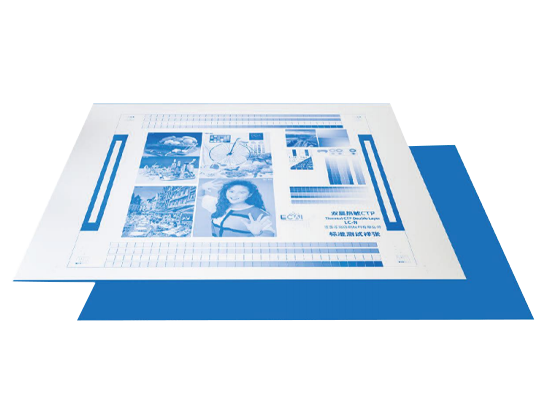
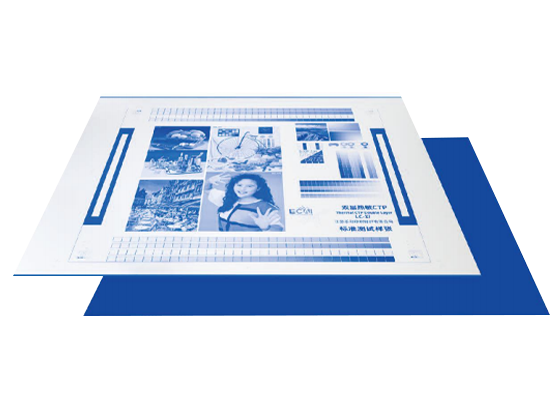 Lecai Thermal CTP Plates for High-End Commercial and Newspaper PrintingThis double-layer thermal CTP plate delivers high photosensitivity, precise dot reproduction, and long run length. It is compatible with UV and ordinary ink, with ordinary ink doubling the run length, making it suitable for high-end commercial color and newspaper printing.View Product →
Technical support also includes guidance on chemistry consumption. For shops using a compatible CTP developer, knowing the exact replenishment rate and the concentration of the developer matters for press stability. A plate manufacturer that also offers the matching chemicals is more likely to give you a coherent production solution, instead of leaving you to mix products from different vendors and troubleshoot blindly.
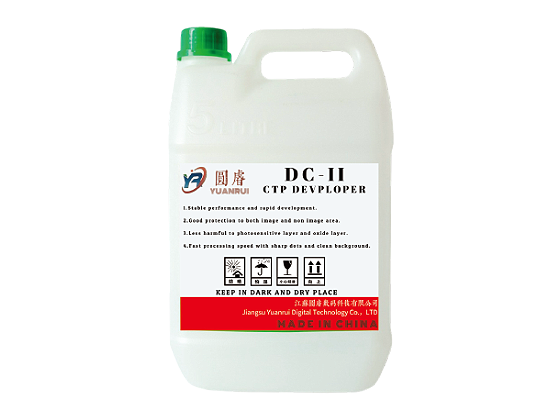
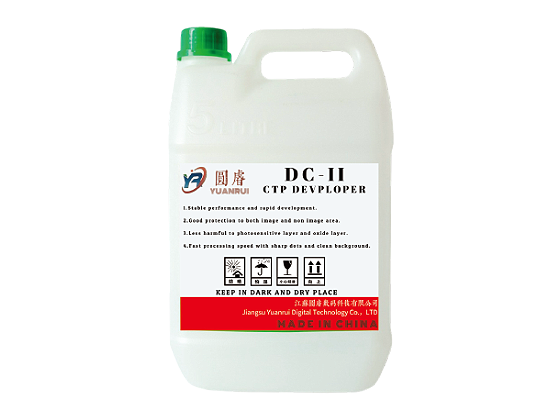 CTP Developer for Thermal Plates with Stable Rapid DevelopmentThis developer is formulated for thermal CTP plates, offering stable performance and rapid development. It protects image and non-image areas, minimizes harm to the photosensitive and oxide layers, and ensures sharp dots and clean background. Replenishment rate is 120ml/m².View Product →
Printing companies that operate in multiple locations, or those that source plates from overseas suppliers, must weigh logistics and consistency. If a manufacturer claims an annual output beyond 40 million square meters and ships to dozens of countries, they must manage export packing, shelf life, and transport conditions well.
For buyers outside the manufacturer's home country, supporting evidence includes the breadth of their export network, the stability of their packaging, and their readiness to provide technical documents in the local language. Also verify that the physical properties of the plates are adjusted for local climate. In humid markets or with long seawater transport, coating performance and plate packaging are not trivial details.
A well-established manufacturer will be able to explain how they prevent moisture damage during transit and how they manage batch dating so that you know when a plate is received and how long it remains usable. This communication is part of professional service, not just extra paperwork.
To turn the criteria above into a smart decision, make a short list of suppliers that meet the production, quality, and support requirements. Then, run the following simple steps:
With this method, you will quickly see which suppliers treat you as a long-term production partner and which simply want to move skids of material. Taking the time to evaluate these points before signing a purchase agreement will save you from significant downtime and quality complaints later.
CONTACT US
KEEP IN TOUCH

Mobile QR code
Contact Information
No.77,Taisheng Road,Hailing District,Taizhou City,Jiangsu
+86 13961040488+86 19852223565
+86 523 86969522
Copyright © by Jiangsu Lecai Printing Materials Co., Ltd. Rights Reserved.Custom Digital Offset Printing Plates Manufacturers

 English
 Français
 Español
 Indonesia
 عربى
عربى