2026-02-15
Choosing the most suitable CTP Double Layer Plate is crucial for optimizing printing efficiency in various industrial settings. This article aims to provide an in-depth guide to understanding the factors that affect the choice of a CTP Double Layer Plate and how it impacts your printing process. We will also discuss related long-tail keywords like CTP Double Layer Plate printing effect optimization, how to use CTP Double Layer Plate to improve production efficiency, CTP Double Layer Plate price and cost analysis, CTP Double Layer Plate vs traditional plate materials, and CTP Double Layer Plate lifespan extension techniques.
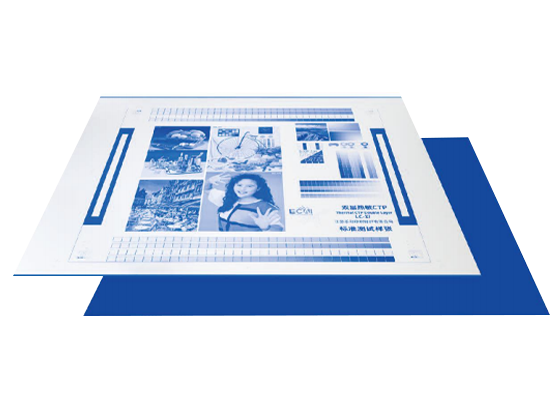
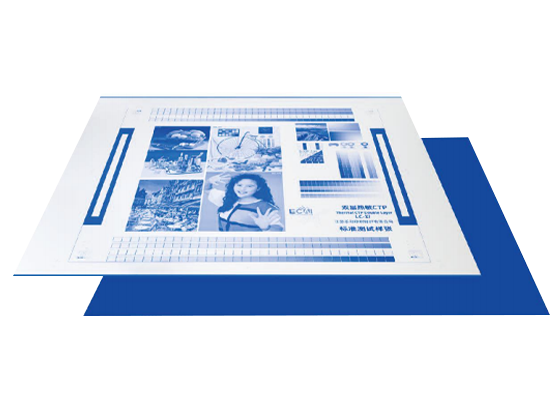
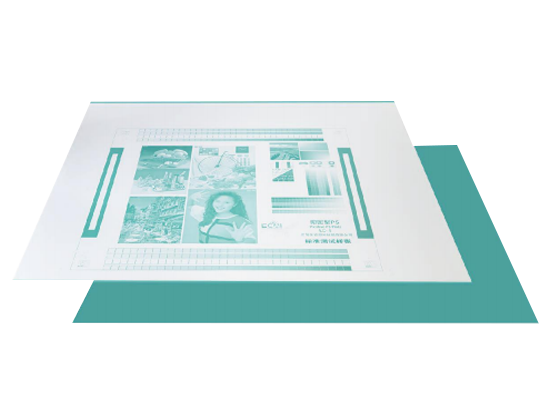
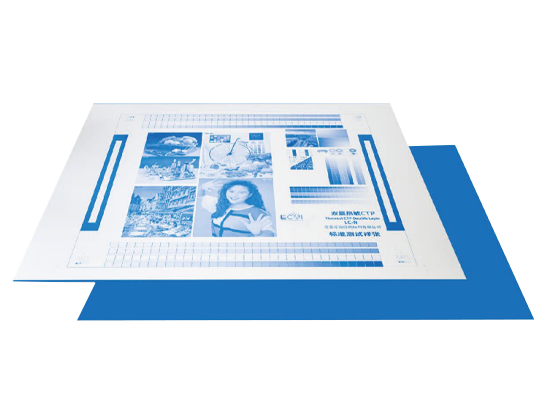
The CTP Double Layer Plate is a critical element in the modern printing industry, primarily used in the Computer-to-Plate (CTP) process. It is a type of printing plate that offers enhanced performance through a dual-layer structure, which improves print quality and increases durability. Unlike traditional single-layer plates, double-layer plates are engineered to withstand higher pressure, ensuring consistent results over longer printing runs.
Compared to traditional printing plates, the CTP Double Layer Plate offers several distinct advantages, including:
| Feature | CTP Double Layer Plate | Traditional Plates |
| Durability | Higher durability, able to withstand more pressure and repeated use | Less durable, wears out quicker during extended runs |
| Print Quality | Superior resolution and clarity due to dual-layer design | Lower quality, may show inconsistencies after repeated use |
| Efficiency | Increased printing efficiency with fewer reprints | Potential for slower production due to more frequent plate changes |
One of the primary reasons CTP Double Layer Plates are preferred is their ability to significantly optimize the final print output. The dual-layer design ensures that prints are of higher resolution and more accurate in terms of color reproduction. With the right CTP Double Layer Plate, you can achieve crisp, clear results, even in high-speed, high-volume production environments.
When choosing a CTP Double Layer Plate, it's essential to consider the type of print work you're dealing with. Plates designed specifically for high-resolution tasks, such as fine art prints, will offer the best results for those applications. By optimizing your choice of plate, you can:
Production efficiency is a key concern when selecting the right CTP Double Layer Plate. Depending on your production environment and the speed of your printing presses, different types of plates will perform better. For example, if you need plates that can handle high-speed runs without compromising on print quality, a high-end CTP Double Layer Plate designed for durability and efficiency would be the best choice.
Proper use of the CTP Double Layer Plate can greatly reduce downtime and increase throughput in production environments. To optimize production efficiency, consider the following:
The cost of CTP Double Layer Plate is often higher compared to traditional single-layer plates, but its superior performance justifies the investment in many cases. Understanding the total cost of ownership, including maintenance and production efficiency, is essential when considering these plates for your business.
While the initial cost of CTP Double Layer Plates may be higher, their longevity and performance often lead to reduced overall printing costs. The key factors affecting the cost include:
In the long run, investing in CTP Double Layer Plate technology can provide a significant return on investment through increased efficiency and reduced waste.
The decision between a CTP Double Layer Plate and traditional printing plate materials is often based on the specific needs of the print job. For high-volume or high-precision jobs, the double-layer design is typically the preferred choice. However, traditional plates may still be useful for lower-budget or smaller-scale projects.
Here's a quick comparison to help you understand the key differences:
| Feature | CTP Double Layer Plate | Traditional Plates |
| Production Volume | Best for high-volume, high-speed runs | More suited for lower-volume, less complex jobs |
| Cost Efficiency | Higher initial cost but more cost-efficient in the long run | Lower initial cost but higher operational costs over time |
| Print Quality | Superior print quality with less variability | May have more print quality inconsistencies over time |
The lifespan of a CTP Double Layer Plate can be significantly extended with proper maintenance. The longer the plate lasts, the more cost-effective it becomes. Regular cleaning and careful handling are essential for extending the lifespan of your plates.
In conclusion, selecting the most appropriate CTP Double Layer Plate involves considering factors like print quality, production efficiency, cost, and longevity. By understanding the unique benefits of these plates and how they compare to traditional alternatives, businesses can make more informed decisions that lead to better results.
CONTACT US
KEEP IN TOUCH

Mobile QR code
Contact Information
No.77,Taisheng Road,Hailing District,Taizhou City,Jiangsu
+86 13961040488+86 19852223565
+86 523 86969522
Copyright © by Jiangsu Lecai Printing Materials Co., Ltd. Rights Reserved.Custom Digital Offset Printing Plates Manufacturers

 English
 Français
 Español
 Indonesia
 عربى
عربى