2026-10-30
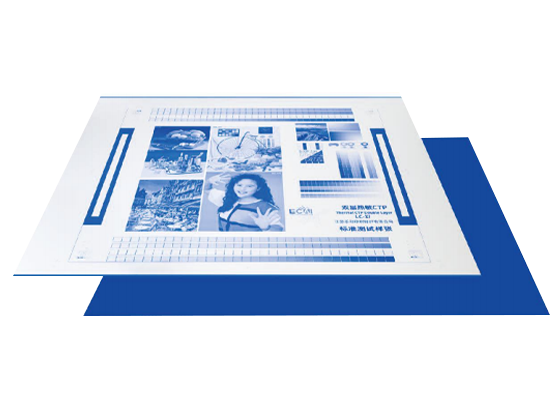
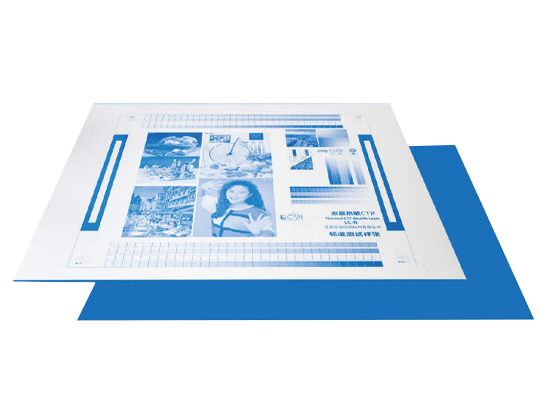
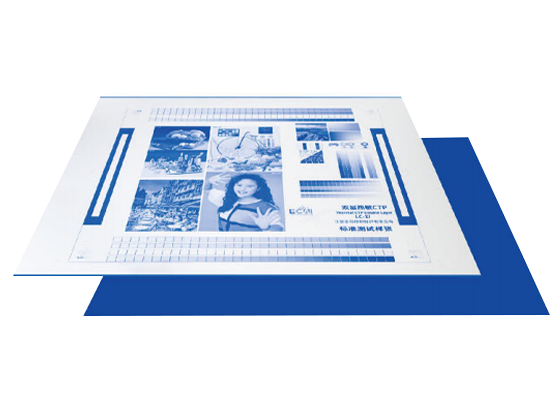
A positive CTCP single layer plate is one of the quiet workhorses of a lithographic plate room. It lets a conventional positive plate be imaged directly by a computer-controlled violet-laser platesetter, then processed through the alkaline developer line that many shops already run. The single layer construction keeps the variables manageable, while custom formats allow the plate to fit a specific press, platesetter and order profile. This guide covers what matters when you specify, buy and run these plates.
CTCP stands for computer-to-conventional plate. It is not thermal imaging. A violet laser exposes a positive-working coating on a conventional plate, and the plate is then developed in an alkaline processor. “Positive” refers to the imaging chemistry, while “single layer” describes the coating structure: one functional photosensitive layer rather than a multi-layer build. That simpler structure is not a downgrade. It is a deliberate fit for plate rooms that want digital imaging without rebuilding their entire workflow.
In practice, “custom” usually means sheet size, thickness, coating weight, packaging and developer compatibility rather than a different imaging principle. The plate still behaves like a positive CTCP plate. What changes is how well it matches your platesetter, press and order profile. That is why a useful specification conversation starts with your equipment and job mix, not with a generic “high quality” claim.
These plates are a sensible choice for general commercial printing: brochures, leaflets, book blocks, packaging inserts and similar work. They suit shops that already have a violet-laser platesetter and a conventional processor, and that need a predictable plate at a reasonable cost. If your jobs move between short and medium runs, and your prepress team knows its way around a control strip, a single layer plate can be a very stable part of the day.
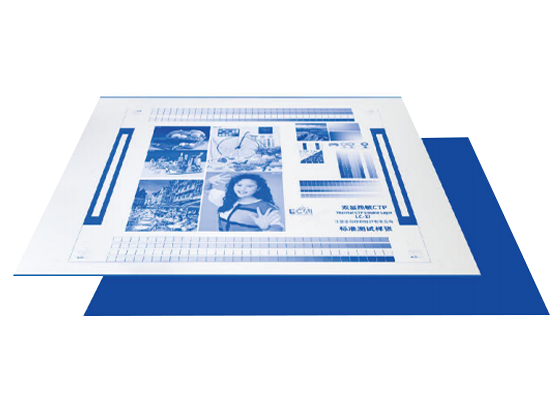 LC-III Positive CTcP Single-Layer Printing PlateA stable single-layer positive plate for commercial printing, suited to violet-laser platesetters and conventional processing across short to medium runs.View Product →
Good fit signals tend to look like this:
It is less suitable for very long runs or extremely fine stochastic work where a double layer or thermal plate may offer more headroom. That is not a weakness. It is simply a question of matching the plate to the job.
When you ask for custom positive CTCP single layer plates, the conversation should be specific. Vague descriptions do not help prepress. Confirm the following points with a technical data sheet and a tested sample.
| Item | What to confirm | Why it matters |
|---|---|---|
| Plate thickness | Common 0.15 mm and 0.30 mm formats; confirm press and platesetter compatibility. | Affects handling, bend allowance and press fit. |
| Spectral sensitivity | Violet laser response, typically around 405 nm. | Must match the platesetter diode and imaging speed. |
| Coating type | Single-layer positive-working coating and developer compatibility. | Influences exposure latitude, development and run length. |
| Resolution and screen | Fine line and dot reproduction tested with your RIP and screen ruling. | Determines whether the plate suits your detail requirements. |
| Run length | Expected impressions under your ink, paper and press conditions. | Prevents overstating plate life on demanding jobs. |
| Sheet size | Cut-to-size dimensions, gripper allowance and bend profile. | Reduces waste and improves pressroom handling. |
| Processing window | Developer temperature, dwell time and replenishment rate. | Keeps dot gain and image quality consistent. |
| Packaging | Interleaving, moisture barrier, pallet configuration and private label if needed. | Protects plates during transport and storage. |
Start with the platesetter manufacturer’s baseline, then adjust to your RIP and screen. Focus and drum speed affect dot shape. Keep the optics clean, and check an imaging strip regularly. A weekly check is far better than a postmortem after a bad job. If you change plate batch, run a fresh exposure step before committing to a long run.
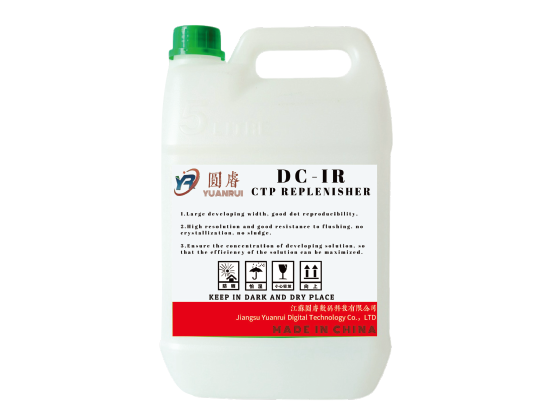
Single layer positive CTCP plates are forgiving, but they are not indifferent. Developer temperature, concentration and replenishment all move the dot. Keep pH and conductivity within the recommended range, and use a replenisher matched to the plate and processor. If the processor has been idle, check the chemistry before the first job, not after it.
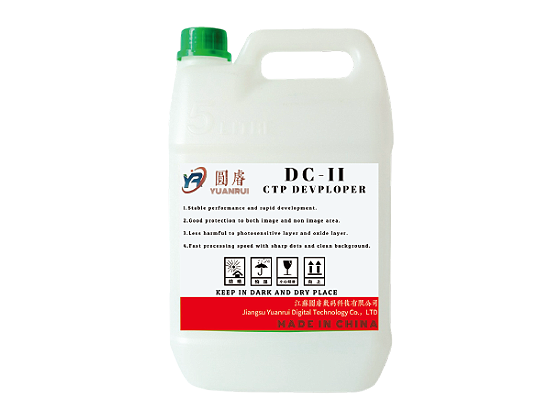
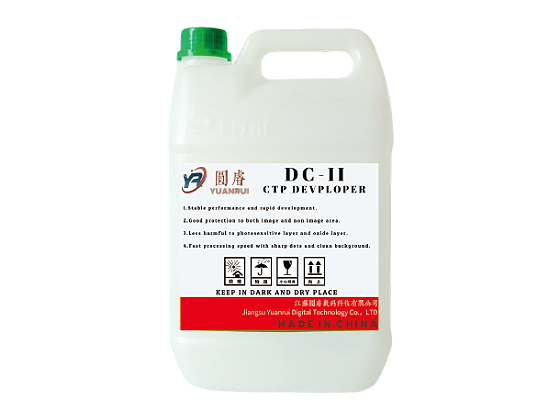 CTP Thermal Plate Developer for Stable ProcessingA developer for thermal CTP plates that supports rapid processing, sharp dots and clean backgrounds while helping maintain consistent chemistry and image quality.View Product →
Fresh developer is not automatically better. An over-strength bath can attack fine dots and shorten plate life. Follow the supplier’s control strip procedure and record the readings. That record is often the fastest way to trace a sudden change in dot gain.
Store plates flat in their original packaging, away from high humidity and direct sunlight. Let them reach room temperature before opening the box to avoid condensation. Handle by the edges, and keep a simple log of batch number and opening date. These habits are small, but they prevent a surprising number of avoidable problems.
Both are positive CTCP plates, and both run through conventional processing. The difference is the coating structure and the performance envelope that comes with it.
| Consideration | Single layer | Double layer |
|---|---|---|
| Coating structure | One photosensitive layer | Multiple functional layers |
| Typical fit | General commercial work | Fine detail and longer runs |
| Resolution headroom | Good for most commercial jobs | Higher for demanding screens |
| Run length | Moderate | Generally longer |
| Processing | Straightforward | Tighter control is helpful |
| Cost profile | Lower | Higher |
Choose based on the work you actually print, not on which plate sounds more advanced. If most of your jobs are general commercial and your processor is well controlled, a single layer plate is a practical choice. If you routinely print fine packaging or long runs, a double layer plate may earn its higher cost. Test both on the same job before you decide.
“Custom” can mean many things. In practice, most plate room requests fall into a few categories:
Be wary of treating these as a simple price list. A custom sheet size that saves material but causes registration problems is not a saving. A cheaper coating that shifts the development window can cost more in remakes. The useful custom specification is the one that fits your equipment and your team’s routine.
Within limits, yes. Run length depends on press conditions, ink, paper, blanket and storage as much as on the plate itself. Ask for tested figures under conditions close to yours, then verify with your own job.
Usually not. Positive CTCP plates are designed for conventional alkaline processing. Confirm that the developer and replenisher are matched to the plate, and check the processing window before switching.
Run a side-by-side test on a representative job. Check dot gain, resolution, processing control and press performance. Then move one press or one shift at a time. A controlled changeover is always less expensive than a rushed one.
Plate quality is only part of the equation. Batch-to-batch consistency, technical support and delivery matter just as much when a job is on the press. Jiangsu Yuanrui Digital Technology and the LECAI group have been making printing plates for more than fifteen years, with annual capacity above 40 million square meters and exports to more than 50 countries. That background is useful when you need a supplier who understands plate rooms, not just product codes. You can read more about our plate-making background and how the group works.
If you are evaluating custom positive CTCP single layer plates for a specific press or platesetter, send the practical details: sheet size, thickness, plate count, job mix and current chemistry. That is enough to recommend a starting specification and a sensible sample plan. You can talk to our team when you are ready to test a plate on your own equipment.
RELATED PRODUCTS
CONTACT US
KEEP IN TOUCH

Mobile QR code
Contact Information
No.77,Taisheng Road,Hailing District,Taizhou City,Jiangsu
+86 13961040488+86 19852223565
+86 523 86969522
Copyright © by Jiangsu Lecai Printing Materials Co., Ltd. Rights Reserved.Custom Digital Offset Printing Plates Manufacturers

 English
 Français
 Español
 Indonesia
 عربى